Canton Fair Autumn 2026 Guide for US Brands (Phases and Badges)
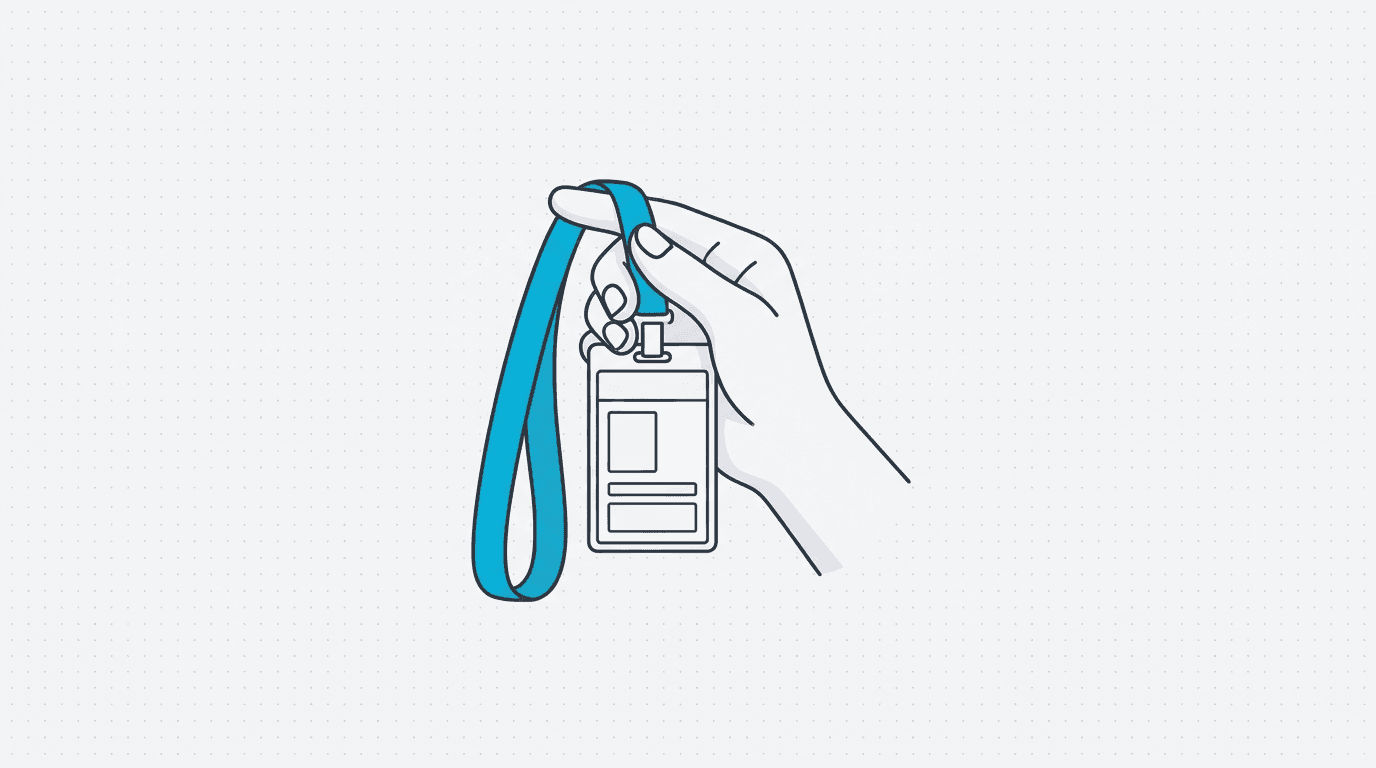
The 140th Canton Fair runs at the China Import and Export Fair Complex in Guangzhou from October 15 to November 4, 2026, in three five-day phases split by product: electronics, machinery, vehicles, lighting and hardware from October 15 to 19, home goods, furniture and building materials from October 23 to 27, and toys, clothing, shoes, health products and food from October 31 to November 4. It is worth the trip for a US brand whose product sits in one phase and who arrives with a written spec and a shortlist, and the overseas buyer badge is free if you pre-register online and bring your passport and a business card.
This guide is for US brands, product companies and sourcing leads deciding whether to fly to Guangzhou this month. It covers what each phase holds, when the fair is worth it, registration and the badge, what the trip costs, how to tell a factory booth from a trading company, and what to do in the two weeks after. If you are still working out how to find suppliers at all, our guide on how to find a manufacturer to make a product compares trade shows with the other channels.
Autumn 2026 Dates and What Each Phase Covers
The Canton Fair is three separate trade shows that share one building. Each phase runs five days, open 9:30 a.m. to 6:00 p.m., and the halls close for three days between phases to change over, from October 20 to 22 and from October 28 to 30. The fair's official general information page lists 1.55 million square meters of exhibition space and more than 32,000 exhibitors, organized into 13 categories and 54 exhibition sections.
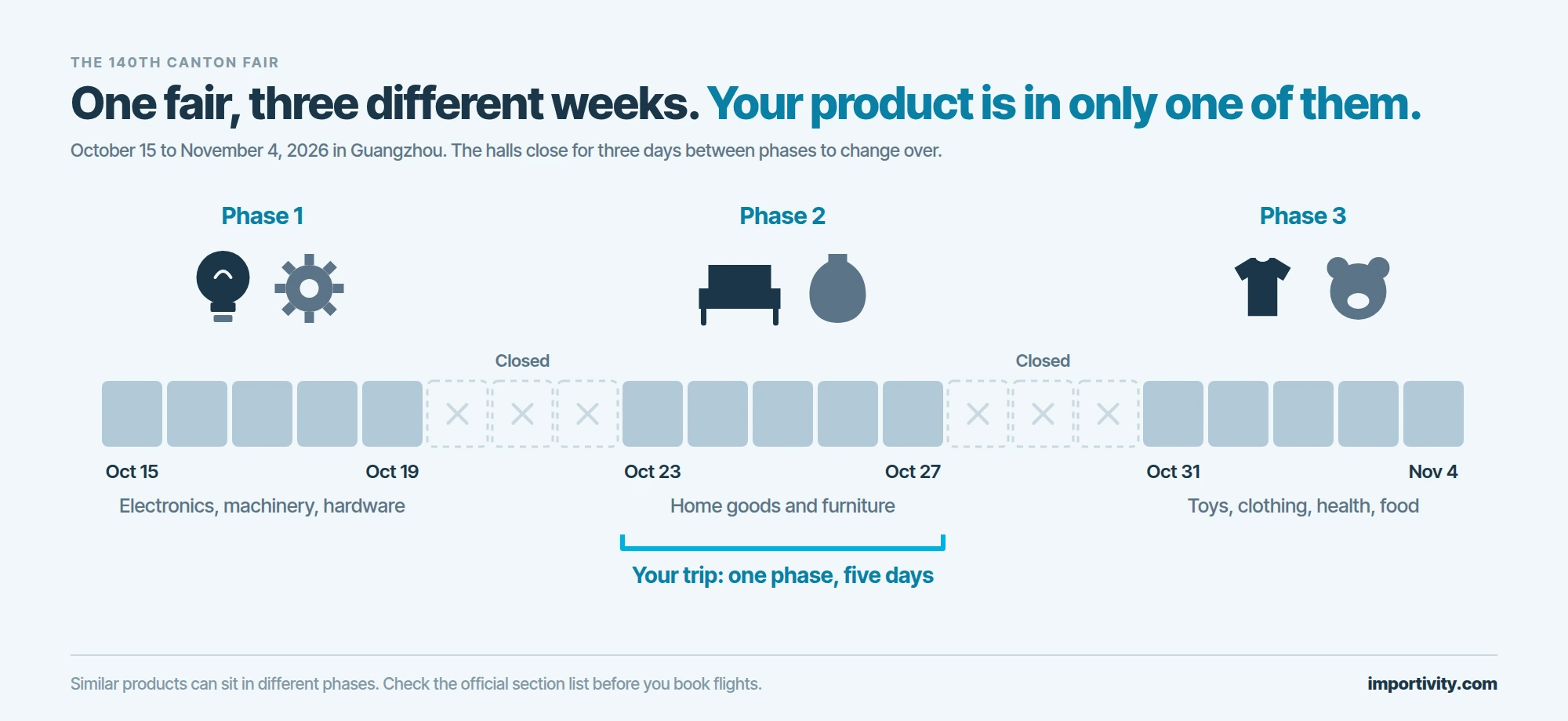
Check the official phase list rather than a summary, because similar products often sit in different weeks:
- Phase 1, October 15 to 19. Household electrical appliances, consumer electronics, lighting, electrical products, hardware, tools, vehicles, vehicle spare parts, motorcycles, bicycles, plus the industrial sections for machinery and new energy.
- Phase 2, October 23 to 27. Kitchenware, tableware, household items, home decorations, ceramics, glassware, gardening products, festival products, gifts, clocks, furniture, building materials, bathroom equipment, plus prefabricated houses and courtyard facilities.
- Phase 3, October 31 to November 4. Toys, baby products, kids' wear, clothing, underwear, sportswear, shoes, bags, fashion accessories, fabrics, home textiles, carpets, office supplies, medical devices, health products, food, personal care, toiletries, pet products, plus the sports and travel products section.
Match your product to those section names, not to the store aisle it sells in. An electric kettle is a household electrical appliance in Phase 1, while a stovetop kettle is kitchenware in Phase 2. Garden furniture is Phase 2, while camping gear falls under the sports and travel section in Phase 3. If your line spans two phases, the three closed days in between are the natural time for factory visits.
Is the Canton Fair Worth It for a US Brand
That depends more on your product than on the fair. The halls are a showroom of products factories already make, which suits some buyers well and others poorly.
| Your situation | How useful the fair is | Better first step |
|---|---|---|
| Stock or lightly modified product in a fair category | Very useful. You can compare many makers of the same item in a day or two | Book meetings in advance through the fair's online platform |
| Custom product that needs new tooling | Useful for finding factories with the right process, less so for the product itself | Bring drawings and ask about process capability, not catalog items |
| Small first order of a few hundred units | Limited. Booths will quote, but many set minimums for full production runs | Samples and small runs through other channels, covered in our guide to Alibaba alternatives |
| Product not in any phase | Low this session | A specialist trade show or a sourcing partner who knows the category |
| You already have a supplier | Useful to check prices and see what competitors are making | Visit your own factory on the closed days |
The fair runs a year-round online platform where buyers can search exhibitors and products, exchange business cards, send messages and schedule appointments before they arrive, according to its 2026 attendance guide for overseas buyers. Use it to book the booths that matter most, so walk-ins become extras rather than the plan.
Two habits decide whether the trip pays. Go with a written specification and a target quantity, so every booth quotes the same thing; our guide to writing a manufacturing RFQ covers what to put in it. And keep days free after your phase for factory visits, because a booth shows what a company chooses to display, while the factory shows what it can actually make.
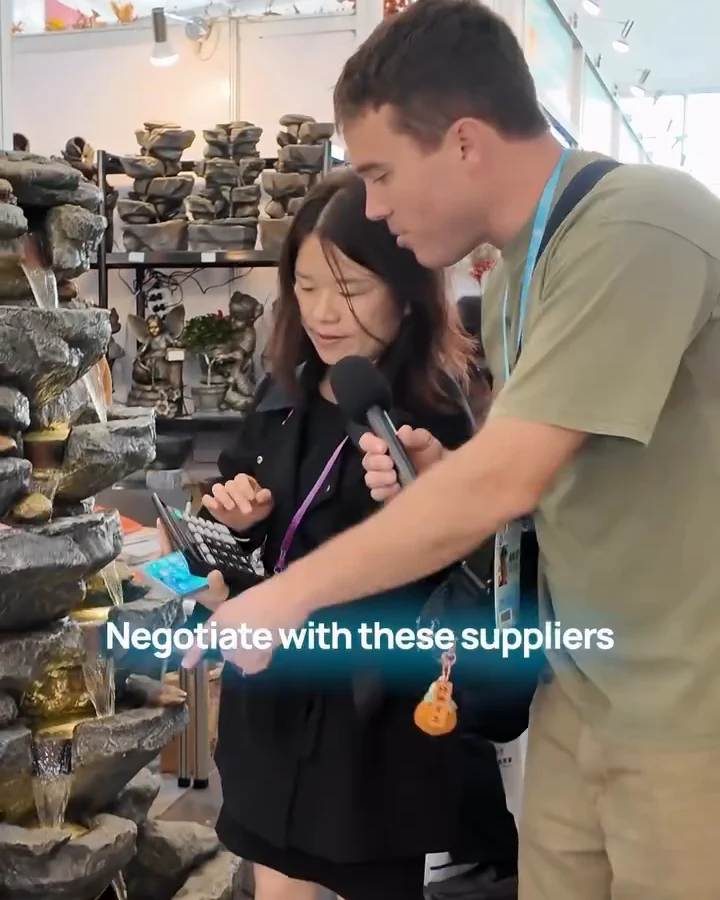
Jordan Lewis, Importivity's COO, who also runs Source With Jordan, walked the 138th fair last autumn. His reason to go in person is practical: on the floor you can "negotiate with these suppliers, talk MOQs, get samples in your hand that you can actually take back with you on the spot," as he says in his reel from the fair. In the short below he makes the case that a trip there speeds up a product roadmap.
Registration, the Badge and Your Visa
Overseas buyers need a buyer badge to get in. For the 140th session, new badges, replacements and renewals are all free, according to the fair's badge guide for overseas buyers. Pre-registration is open all year on the official website and app. Here is how to get through it:
- Pre-register online. First-time buyers create an account, complete the pre-registration questionnaire and apply for the badge. Returning buyers log in, confirm their details and complete the questionnaire.
- Bring three things. Your original passport, a business card and the pre-registration QR code receipt.
- Collect the badge before you reach the halls. Besides the offices at the complex, badges are issued at Guangzhou Baiyun International Airport, Guangzhou South Railway Station, Pazhou Ferry Terminal, designated hotels and the fair's Hong Kong office. The fair says express pickup for a pre-registered buyer takes about 30 seconds.
- Keep your old badge. A valid overseas buyer badge from a previous session gets you in again after verification, with no activation needed.
- Apply early for an interpreter badge. Each buyer can add up to two accompanying people per phase, one interpreter and one assistant, at least two days before they attend. Each badge costs RMB 300 per day plus a RMB 50 administrative fee, and interpreters must show a recognized translation qualification.
For entry to China, US passport holders can use the 240-hour visa-free transit policy if they arrive through one of the designated ports and hold a confirmed onward ticket to a third country or region, and business is a permitted activity under it, according to the Shanghai government's summary of the policy. If your route does not fit those rules, apply for a business visa well before you travel. The fair's buyer service system also handles invitation requests.
What the Trip Costs
The fair charges a buyer very little. The badge is free, and the fees it does charge are for accompanying badges. The real costs are the trip itself and the days away from your business, and every buyer in your category arrives the same week you do.
- Flights and hotels. Book as soon as you know your phase. The fair's attendance guide lists its own travel agency for hotel and flight bookings, and you can compare that against booking directly.
- An interpreter. Many exhibitors have English-speaking sales staff, but technical questions go better with your own interpreter or sourcing partner. Our guide to what a China sourcing agent costs covers how people on the ground charge. The interpreter's badge adds RMB 300 per day plus RMB 50.
- Days. A phase is five days. Decide how many you need in the halls, then add days for factory visits. A booth meeting does not replace a visit.
- Samples. Exhibitors often hand out or sell samples. Anything you send home by courier now goes through a customs entry and pays duty, because the de minimis exemption is suspended, as our guide to the end of de minimis explains. Keep a list of samples with their values.
- Duty on the eventual order. A booth quote is usually a price at the factory or at a Chinese port. Many China-origin goods carry Section 301 duties on top of the regular rate, so price the landed cost before you compare a booth quote with your current supplier.
How to Tell a Factory Booth From a Trading Company
Both manufacturers and export trading companies take booths, and both can be good suppliers. What matters is knowing which one you are talking to, because it decides who controls your production. The booth usually gives it away.
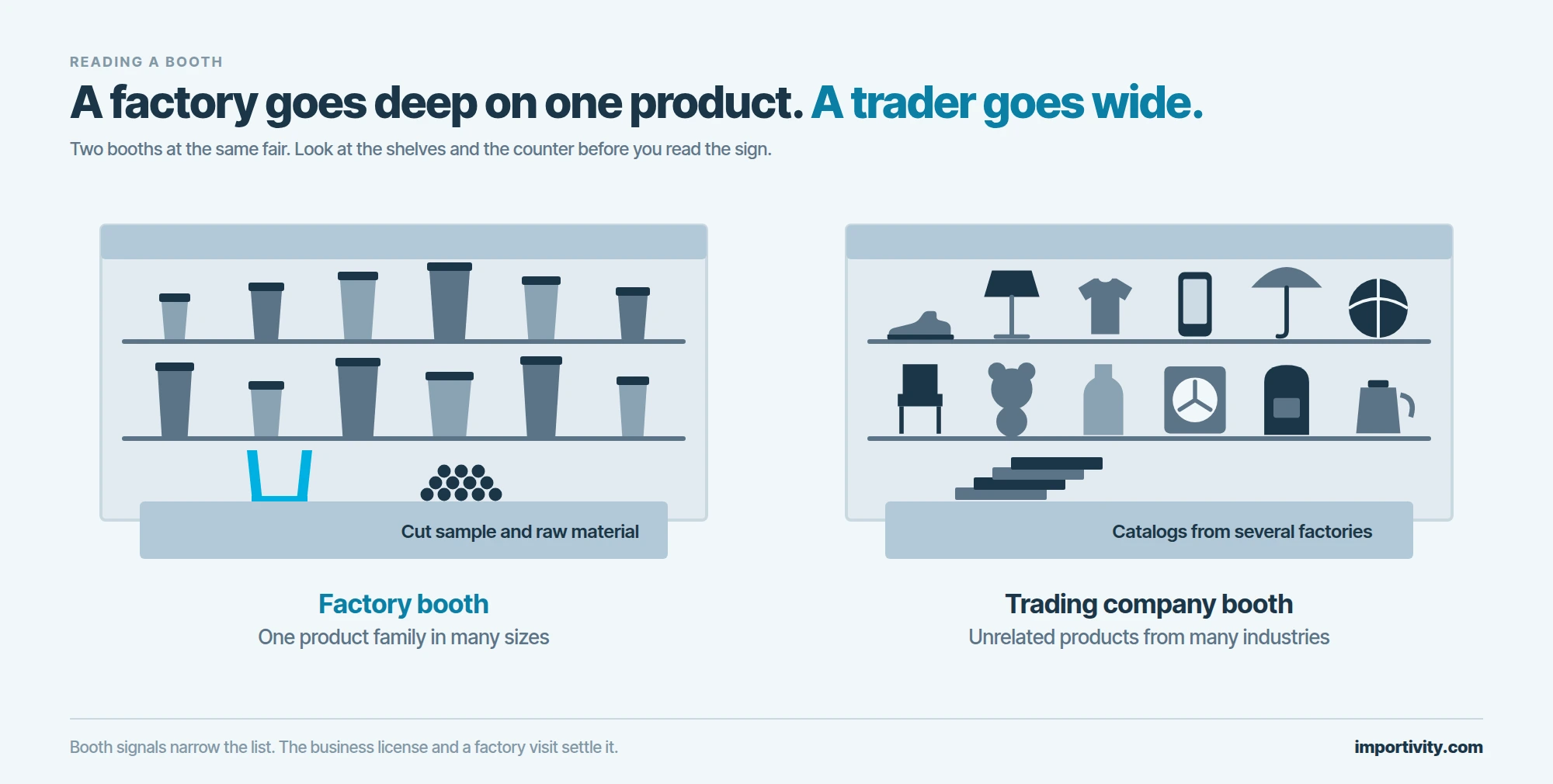
Look for these signals while you are standing there:
- Depth or range. A factory shows one product family in many sizes, materials and finishes. A trading company shows unrelated products, often from different industries, on the same wall.
- Parts on the table. Factories bring cut samples, raw materials, half-finished parts or molded components. A trader shows finished goods only.
- Who answers technical questions. Ask about wall thickness, material grade, tooling cost or machine capacity. A factory has someone who answers on the spot or calls an engineer. A trader promises to check and get back to you.
- The business card and the catalog. Look for a factory address in an industrial zone and a company name you can match to a business license later. A catalog that mixes several brands or factory names belongs to a trader.
- The visit question. Ask to see the factory during your trip. A factory names a day. A trader explains why this week is difficult.
- How the minimum order moves. A factory's minimum is tied to a production run and barely moves. A trader's minimum bends because it pools orders from several buyers.
No single signal settles it. After the fair, check the business license, the registered business scope and the address, as our guide to buying from a manufacturer, wholesaler or trading company explains, and run a proper factory audit before you pay a deposit.
What to Do in the Two Weeks After the Fair
Most of the value of the trip is decided after you get home. The follow-up a booth answers first is the specific one, with a drawing, a quantity and a date.
- Sort your notes the same night. Photograph each business card next to the product and your notes, and rank booths as follow up now, maybe or no.
- Send one RFQ to every shortlisted booth within a week. Same spec, same quantity and same Incoterm, so the quotes can be compared line by line.
- Order samples from the best three. Pay for them, have them shipped to the US and budget for the customs entry.
- Verify before you visit. Check the business license and registered scope, and ask for any third-party audit reports.
- Visit the factory. Take our factory visit checklist, or have someone on the ground do it through supplier vetting.
- Price the landed cost with duty, freight and inspection before you negotiate.
If you cannot fly this session, the next one is in the spring, since the fair is held every spring and autumn. In the meantime, our manufacturer sourcing team can shortlist and vet factories in your category without the flight.
Frequently Asked Questions
When is the Canton Fair in autumn 2026?
The 140th Canton Fair runs from October 15 to November 4, 2026, at the China Import and Export Fair Complex in Guangzhou. Phase 1 is October 15 to 19, Phase 2 is October 23 to 27 and Phase 3 is October 31 to November 4, each open 9:30 a.m. to 6:00 p.m. The halls close from October 20 to 22 and October 28 to 30 to change over.
How much does it cost to attend the Canton Fair?
Entry is free for overseas buyers. For the 140th session, new badges, replacements and renewals cost nothing if you pre-register and bring your passport and a business card. An interpreter or assistant badge costs RMB 300 per day plus a RMB 50 administrative fee, and your real costs are the flights, the hotel and the days away.
Do US citizens need a visa for the Canton Fair?
Not always. US passport holders can use China's 240-hour visa-free transit policy if they hold a confirmed onward ticket to a third country or region, and business is a permitted activity under it. If your route does not fit those rules, apply for a business visa before you travel.
Which phase of the Canton Fair should I attend?
The phase that holds your product's exhibition section. Phase 1 covers electronics, appliances, lighting, hardware, tools and vehicles, Phase 2 covers home goods, kitchenware, furniture and building materials, and Phase 3 covers toys, clothing, shoes, health products, food and pet products. Check the official section list, because similar products can sit in different phases.
Is the Canton Fair worth it for a small business?
It is worth it if your product is a stock or lightly modified item in one phase and you can meet production minimums, because you can compare many makers in a day or two. It is less useful for a first order of a few hundred units or a fully custom product. Go with a written spec, book meetings through the fair's online platform and leave days for factory visits.
About the author
Jordan Lewis
Chief Operating Officer, Importivity
Runs Importivity's sourcing operations across China, Vietnam, Mexico and India, from supplier negotiation through landed delivery.
Press and media inquiries: press@importivity.com