
 Reduce lead times and inventory risk
Reshoring Manufacturing
Importivity helps American businesses reshore their operations with end-to-end support from sourcing and importing manufacturing equipment to navigating tariffs, installation, and long-term maintenance.
Request a quote
- A person replies within one business day
- Every factory signs an NDA and NNN before it sees your specs
For brands and product companies sourcing a physical product at volume. Not for dropshipping, single units or buying retail stock.
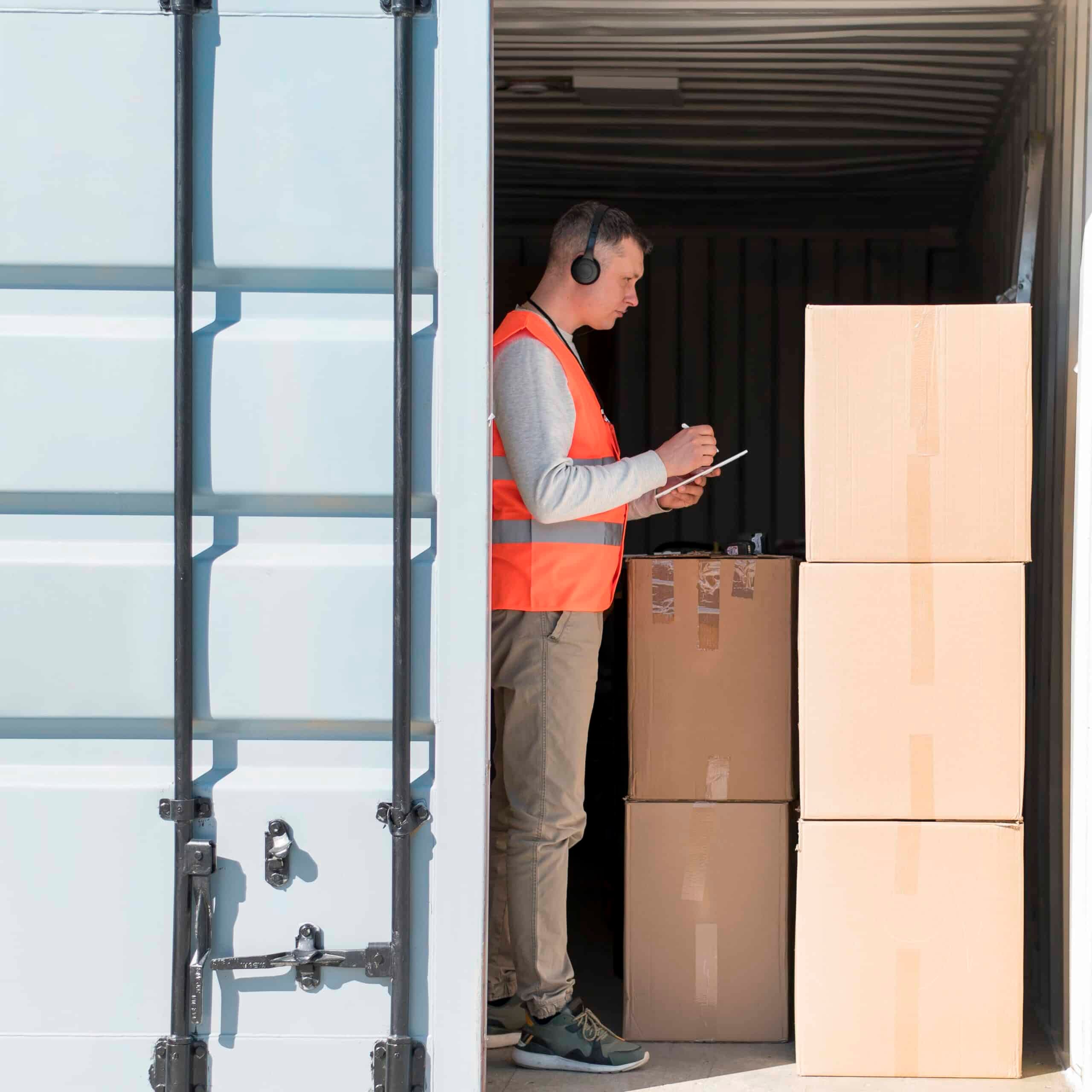
Why Reshoring Manufacturing Matters
Reshoring manufacturing is more than a trend, it’s a strategic move for companies looking to gain stability, reduce global risk, and align with “Made in America” initiatives. By bringing production closer to home, businesses can shorten lead times, strengthen IP protection, and build resilient supply chains that withstand tariffs, geopolitical shifts, and logistics bottlenecks.
At Importivity, we help growing and established brands, including family-run businesses, take reshoring from a concept to a reality.
Scaling a U.S. Gum Manufacturer During the 2025 Tariff Debacle
Reshoring equipment, managing tariffs, and ramping to national retail volume.
Challenge
A mom and pop gum brand needed to jump from artisanal runs to national scale during peak tariff volatility. Advanced mixing, cutting, and packaging machines were mostly sourced from Asia, and Section 301 exposure threatened to add 25% or more to landed cost.
Execution
1. On site installation oversight for mixers, cutters, and packaging lines. 2. Staff training and safety documentation aligned to food grade standards. 3. Preventive maintenance plan to protect uptime and throughput.
Solution
Dual supplier plan to avoid single point failure and speed delivery. Equipment secured under basic 301 exemption category where eligible. Bonded warehouse flow to smooth customs clearance and cash timing.
Results
Contracts secured with Sprouts, Whole Foods, and multiple big box retailers. Reshored production reached U.S. scale without losing cost competitiveness.
National
Retail capacity
Faster
Ramp to volume
301-smart
Duty exposure managed
Uptime
Maintenance program
Key levers: dual sourcing to reduce risk, eligibility checks for basic 301 exemptions, bonded warehousing for smoother entries, and an installation to maintenance program that protected throughput.
Reshoring Beyond Equipment
Reshoring succeeds when inputs are tariff smart, capacity is redundant, operations are automated, and compliance stays current. We design the system, not just the purchase order.
Reshoring isn’t just about buying machines; it’s about building a sustainable, tariff-resilient supply chain.
Tariff-friendly inputs
Source raw materials and components from partner countries to lower duty exposure and stabilize landed cost.
Dual sourcing network
Deploy primary and backup suppliers across the United States, Mexico, and Asia to avoid single-point failures.
Automation and digital ops
Integrate shop-floor automation and supply chain software for throughput and visibility.
Continuous compliance
Monitor rules and update classifications and documentation before they become bottlenecks.

Reshoring Coating and Finishing Services in the USA
Finishing is where most reshoring plans stall. A company brings machining or fabrication back to the United States, then finds the coating line it depended on is still overseas, and the part crosses an ocean twice before it ships. We reshore the finishing step alongside the production step, so a part that is cut, formed, or machined domestically is also coated, plated, and packed domestically.
Powder coating
The default for steel and aluminum parts that need durability and color consistency at volume. Domestic powder lines quote in days rather than weeks, and a color change no longer costs you a sailing. Common on sheet metal parts and weldments.
Wet paint and liquid finishing
For parts too large for an oven, mixed-substrate assemblies, or finishes that powder cannot hit, including high-gloss and fine texture work. Also the practical route for low volumes where powder changeover is not economical.
E-coat (electrocoating)
Uniform corrosion protection into recesses and weld seams that line-of-sight spray cannot reach. Usually specified as a base layer under powder for parts that see salt, weather, or road spray.
Anodizing
For aluminum parts where corrosion resistance, wear, or a decorative finish matters. Type II for general use and color, Type III (hardcoat) where the surface takes abrasion. The standard next step for aluminum extrusions.
Plating
Zinc, nickel, and electroless nickel for corrosion protection, conductivity, and solderability. Frequently the finishing spec on CNC-machined metal parts and fasteners moving back onshore.
Functional and custom finishes
Corrosion, dielectric, thermal, and non-stick coatings for energy, EV, and industrial applications, plus masked two-tone work and customer-specific color matching.
Powder Coating, Anodizing and Custom Finishes
Which finish to specify depends on substrate, service environment, and the standard your customer audits against. This is the shortlist we work from when a reshoring plan reaches the finishing step.
| Finish | Best substrate | Typical spec | Specify it when |
|---|---|---|---|
| Powder coat | Steel, aluminum | AAMA 2603 / 2604 / 2605 for architectural aluminum | You need durable color at volume and parts fit the oven |
| Wet paint | Mixed, oversized | Customer color standard, gloss and texture targets | Parts are too large to bake or volumes are low |
| E-coat | Steel, castings | ASTM B117 salt spray hours as agreed | Recesses and seams must be protected, often under powder |
| Anodize Type II | Aluminum | MIL-A-8625 Type II | You want corrosion resistance plus color on aluminum |
| Anodize Type III | Aluminum | MIL-A-8625 Type III (hardcoat) | The surface sees wear, abrasion, or sliding contact |
| Zinc plating | Steel | ASTM B633 | Fasteners and hardware need low-cost corrosion protection |
| Electroless nickel | Steel, aluminum | ASTM B733 | You need uniform thickness on complex geometry |
Reshoring Application Services and Turnkey Finishing
Coating is rarely the last operation. The parts still have to be masked, cured, assembled, kitted, and packed to a retail or line-side standard. Reshoring only pays off when that whole tail of work happens domestically too, which is why we quote application services as one turnkey scope rather than a series of handoffs between vendors.
Masking and selective finishing
Threads, bearing surfaces, sealing faces, and ground paths kept clear of coating, with reusable masking designed once and reused across the program.
Sub-assembly and kitting
Finished components assembled into the sub-assembly or kit your line actually consumes, so receiving handles one part number instead of nine.
Line-side and retail packaging
Packed to your plant's line-side standard or to retail-ready presentation, including labeling, barcoding, and pack-out counts agreed before the first run.
Inspection and documentation
Coating thickness, adhesion, and salt spray results recorded per lot, with certificates that survive a customer audit.
Program management
One owner across the fabricator, the finisher, and the packer, so a schedule slip surfaces as one conversation. This is the same discipline that decides whether you should choose a contract manufacturing partner or hold the steps separately.
How Coating and Application Services Fit Into a Reshored Production Line
The sequence below is what a reshored part actually moves through. The point of running it domestically is that any two adjacent steps can be a short truck move rather than an ocean leg.
Fabricate or machine
Parts are cut, formed, welded, or machined at the domestic supplier, with the finish spec already on the drawing so surface prep is not an afterthought.
Surface prep
Blast, clean, or pretreat to the standard the coating requires. Most coating failures trace back to this step, not to the coating itself.
Coat or plate
Powder, wet paint, e-coat, anodize, or plate to the agreed spec, with masking applied where surfaces must stay clear.
Cure and verify
Cure to schedule, then check thickness, adhesion, and color against the approved standard before parts move on.
Assemble and kit
Finished parts are built into sub-assemblies or kits and packed to the receiving standard your plant or retailer expects.
Ship short-haul
Domestic finishing turns a multi-week ocean leg into a one to three day truck move, which is where most of the inventory saving actually comes from.
Reshoring Finishing vs Overseas Finishing: Lead Time, Cost and Quality
Domestic finishing rarely wins on the unit price of the coating operation alone. It wins on the cash and risk tied up around it. The honest comparison looks like this.
| Factor | Overseas finishing | Reshored finishing |
|---|---|---|
| Coating operation cost | Typically lower per part | Typically higher per part |
| Transit after finishing | 20 to 40 days ocean plus drayage | 1 to 3 days by truck |
| Reorder cycle | Often 60 to 120 days door to door | Often 2 to 4 weeks |
| Inventory you must carry | Full transit plus safety stock | Materially less, freeing working capital |
| Minimum order quantity | Higher, set by container economics | Lower, set by line time |
| Cost of a color or spec change | A full sailing plus rework | A scheduling conversation |
| Rework on a failed lot | Scrap it or ship it back | Truck it back to the finisher |
| Duty and tariff exposure | Applies to the finished value | None on domestic finishing |
| Audit and traceability | Remote, document-dependent | On-site, same time zone |
Sourcing Company Case Studies
Real results from the founder-led brands we've helped source, scale, and ship.
Frequently Asked Questions
Still have questions?
Our team is happy to help. Browse the FAQ or contact us directly.