 Manufacturing in Mexico
Mexico Manufacturer Connections
Discover why Mexico is quickly becoming the top choice for U.S. companies seeking nearshore manufacturing, tariff protection, and faster lead times. Importivity helps you tap into Mexico's strengths while avoiding common pitfalls.
Request a quote
Get a landed-cost quote from vetted factories.
- A person replies within one business day
- Every factory signs an NDA and NNN before it sees your specs
For brands and product companies sourcing a physical product at volume. Not for dropshipping, single units or buying retail stock.
Nearshore Manufacturing in Mexico
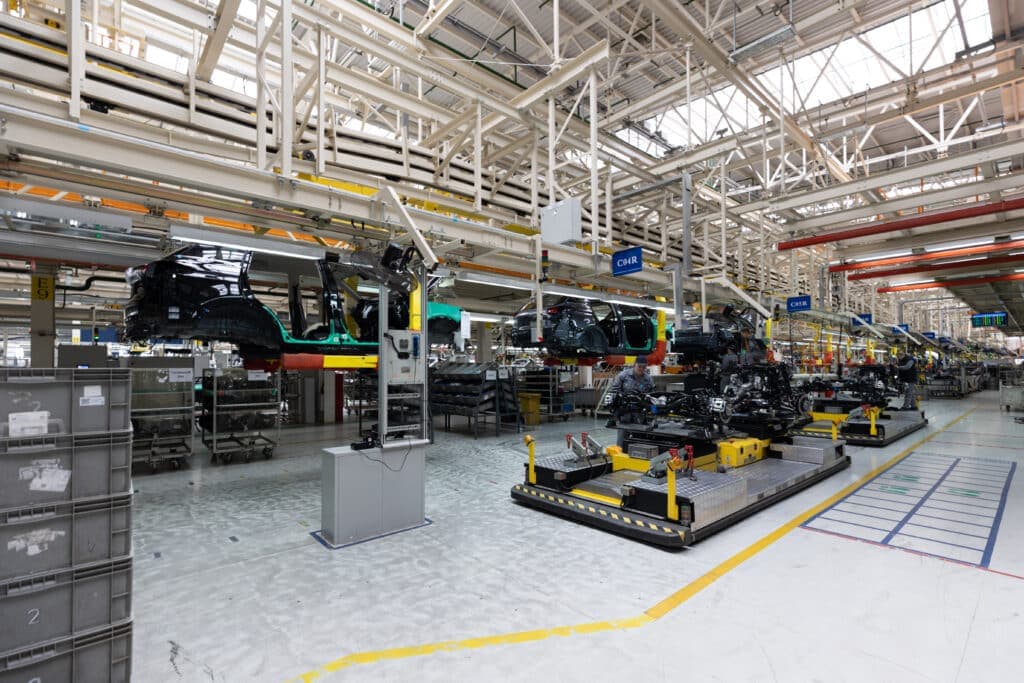
Because of geographical proximity to the U.S., Mexico offers one of the strongest nearshore manufacturing options. Cross-border trucking delivers in 1-7 days versus weeks for transpacific shipping, with lower freight cost and less risk of supply-chain delay.
Logistics are easier too, with fewer customs steps and reduced transit distance. Factories in northern Mexico ship directly to U.S. states with efficient border crossings.
Doing Business in Mexico is Easier Than You Think
Mexico is one of the most accessible sourcing destinations for U.S. companies.
No Visa Required for U.S. Citizens
Traveling to Mexico for business is hassle-free. U.S. citizens can enter without a visa, making factory visits and supplier meetings far easier than in Asia.
Affordable, Direct Flights
With flights as low as $100 and only 2-3 hours from most U.S. hubs, Mexico is the most accessible international manufacturing destination for American businesses.
Cultural Compatibility & Communication
Mexico offers a smoother cultural fit than many overseas markets. English is common in manufacturing sectors, reducing misunderstandings and speeding negotiations.
Border Infrastructure Built for Trade
The U.S.-Mexico border is optimized for cross-border commerce, with well-established trucking routes, ports, and customs systems that simplify logistics and reduce delays.
Case Study: Importing $10M+ in Custom Ironwork from Monterrey, Mexico
How Importivity helped a Dallas-based home builder streamline cross-border sourcing and scale to 40+ containers a year of high-end custom metal products. Since 2015 · Monterrey, Mexico · USMCA · Custom Iron Gates, Doors, Fencing.
The Challenge - Quality · Cost · Lead Times
In 2015, a leading custom home builder in Dallas, Texas needed a reliable way to source premium iron gates, doors, and luxury fencing. Local suppliers couldn't meet quality/price targets for large projects, while Asia imports meant long lead times and tariff uncertainty. They needed a partner to secure trustworthy factories, manage compliance, and keep freight flowing into Texas.
The Solution - Monterrey Partners, End-to-End Ops
Importivity leveraged deep Mexico manufacturer connections to build long-term partnerships with vetted ironwork factories in Monterrey, renowned for steel and metal industries.
- Factory sourcing & negotiation
- Quality assurance (multi-stage inspections)
- Cross-border logistics (trucking, customs, bonded warehousing)
- Tariff consulting (optimize USMCA benefits)
The Results - Scale · Speed · Cost
40+ containers delivered per year and $10M+ imported since 2015, at half the lead time versus Asia and 20-25% cost savings versus U.S. production.
- Reliability: consistent delivery of custom iron gates, doors, and fencing at scale.
- Resilience: supply chain structured to weather tariff changes and global disruptions.
Why It Worked - Nearshoring Advantages
- Proximity (2-3 day shipping vs. 4-6 weeks from Asia)
- Strong IP protection under USMCA
- Faster response to changing project needs
- Direct oversight via frequent factory visits (no visa required)
Industries We Specialize in Within Mexico
From automotive metals to consumer plastics, Mexico's manufacturing base is diverse and growing. Importivity connects U.S. businesses with vetted factories in metals, plastics, electronics, and textiles, helping you cut costs, shorten lead times, and leverage USMCA trade advantages.
Plastics
Winner: Mexico (for nearshore automotive & consumer goods). Mexico's plastics sector is strong in automotive parts and consumer goods, benefiting from U.S. proximity and USMCA duty preferences. China's Edge: complex molds and ultra-high-volume runs still favor China's scale and tooling speed.
Explore plastics sourcingMetals
Winner: Mexico (for aerospace & automotive supply chains). Mexico is a powerhouse for automotive and aerospace metals, supported by precision machining and tight integration with North American OEMs. China's Edge: lower costs for commodity metals and massive supplier networks.
Explore metals sourcingElectronics
Winner: China (for scale, but Mexico is emerging). China remains the undisputed leader in electronics. However, Mexico is expanding in consumer electronics assembly, where shorter shipping times and reduced tariffs outweigh cost differences. Mexico's Edge: best for brands prioritizing speed-to-market in North America.
Explore electronics sourcingTextiles
Winner: Vietnam (for fast fashion, but Mexico fills a niche). Mexico specializes in niche apparel runs, technical wear, and rapid delivery cycles for U.S. buyers. While labor costs are higher than Vietnam, nearshore production cuts turnaround times dramatically. Vietnam's Edge: best for cost-sensitive, high-volume fashion runs.
Explore textiles sourcingHow These Resources Fit Into Your Strategy
Each of these resources can be used on its own but they're most powerful when applied together as part of a streamlined sourcing process.
- BOM Template: Use the BOM Template to organize your product specs.
- RFQ Template: Follow with the RFQ Template to collect accurate supplier quotes.
- Factory Visit Checklist: Visit suppliers using the Factory Visit Checklist.
- Supplier Onboarding Checklist: Once you select a partner, implement the Supplier Onboarding Checklist.
- Product Sourcing Guide: Keep the Product Sourcing Guide at hand as your reference manual throughout.
Current Tariffs on Mexico Imports
Updated October 1, 2026. See current rates on our tariff tracker.
Section 301 Forced-Labor Tariff: 10% on Mexican Goods - Mexico to U.S.
- What This Means: Since July 24, 2026, USTR's Section 301 forced-labor action lists Mexico at 10% on all products unless an annex exemption applies. Twenty-five states are challenging it at the Court of International Trade, and CBP keeps collecting while the case runs.
- Why It Matters: USMCA qualification can still take the MFN rate to zero, but quotes and open POs that assumed 'USMCA means zero' need a line-by-line check against the annex exemptions before you rely on them.
- How Importivity Helps: We rebuild your duty stack by SKU (MFN or USMCA rate, Section 301, any product measures, and fees), audit USMCA qualification at the line-item level, and flag which shipments need re-quoting before you ship.
IEEPA Tariffs Struck Down, Section 122 Ended - Mexico to U.S.
- What This Means: The Supreme Court struck down the 2025 IEEPA tariffs, including those on Mexican goods, on February 20, 2026, and CBP stopped collecting them on February 24. The temporary 10% Section 122 surcharge that followed, which exempted USMCA-qualifying goods, ran from February 24 to July 24, 2026 and has ended.
- Why It Matters: US importers who paid IEEPA duties can claim refunds through CBP's CAPE portal. Whether Section 122 duties are refunded depends on a pending appeal, so keep entry records for non-qualifying goods entered in that window.
- How Importivity Helps: We identify which past entries carried IEEPA or Section 122 duties, prepare refund documentation, and keep your current quotes on today's duty stack.
High-impact Sector Measures Still in the Mix (Steel, aluminum, autos, trucks) - Mexico to/from U.S.
- What This Means: Since April 2, 2026, articles made entirely or almost entirely of steel, aluminum, or copper face a flat 50% Section 232 tariff on full customs value, and derivative articles face 25%. For USMCA-qualifying medium and heavy-duty vehicles, a Commerce process lets the 25% Section 232 tariff apply only to non-U.S. content.
- Why It Matters: If you import inputs tied to automotive or metal-intensive supply chains, tariff exposure may not track 'normal' USMCA assumptions. These measures can drive price volatility, lead-time shifts, and supplier renegotiations.
- How Importivity Helps: We identify hidden exposure in upstream inputs (steel and aluminum content, auto supply chain parts), run scenario pricing, and build a diversification plan so you are not dependent on a single lane.
Sourcing from Mexico: what to read next
The detail pages for this country, the comparisons it appears in, and the services that run a project there.


Frequently Asked Questions
Sourcing Company Case Studies
Real founders, real results. Hear their stories in their own words.
Source from Mexico With Confidence
Book a free 30-minute call. We'll map a tariff-aware landed cost and match you with vetted factories in Mexico that fit your specs and budget.