Contract Electronics Manufacturer Guide (What They Do and How to Choose One)
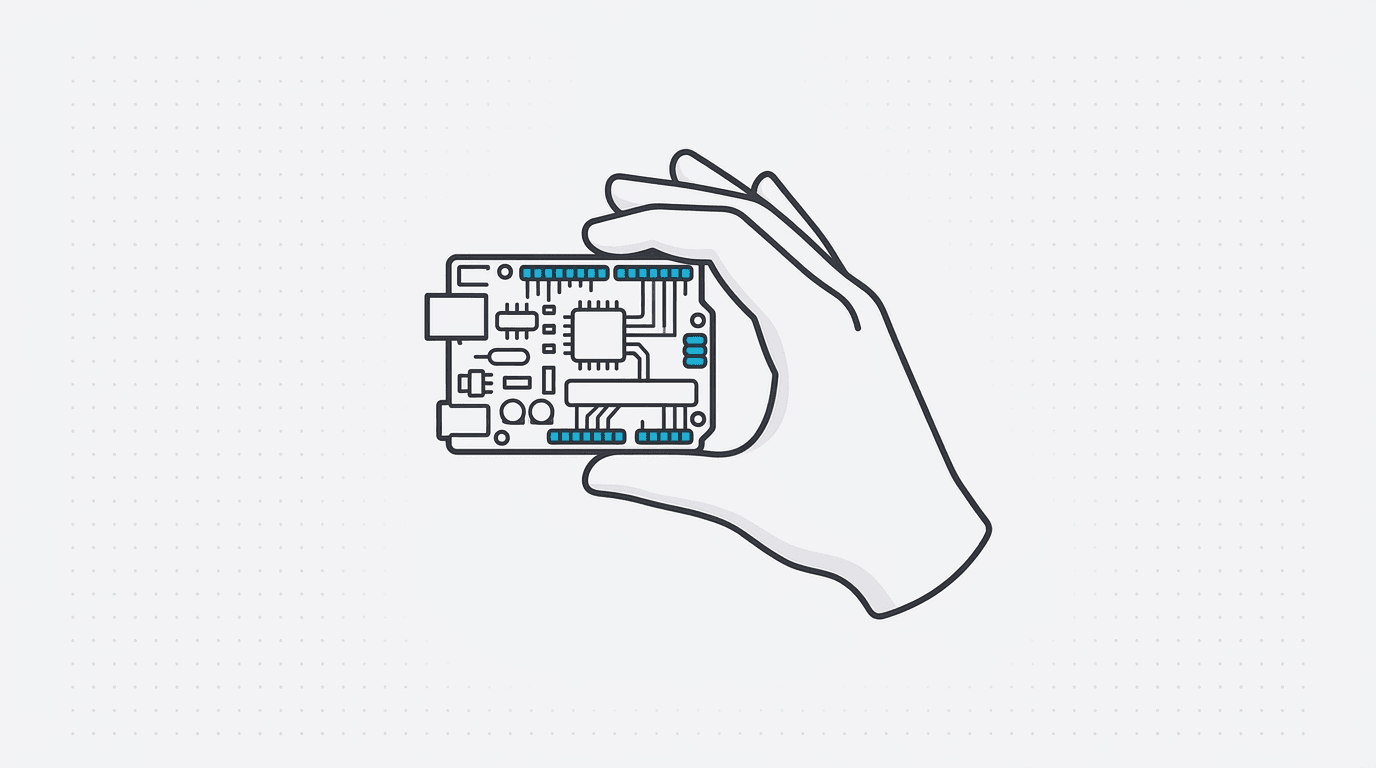
A contract electronics manufacturer, also called a CEM or an EMS provider, is a company that builds circuit boards and finished electronic products to another company's design. You own the design and the brand. The manufacturer buys the parts and builds and tests the product before shipping it to you. Your volume should drive the choice, because a company the size of Foxconn will not take a 2,000-unit order, and a small shop may not be able to grow with you.
This guide is for US brands with a working prototype or a finished design that need someone to build it. It explains what a contract electronics manufacturer does, how it differs from an OEM or ODM, how to match one to your volume, and what to send and ask. For the full sourcing process, including NRE and FCC, CE and UL certification, read our guide to sourcing electronics overseas.
What a contract electronics manufacturer does
A contract electronics manufacturer takes your design files and turns them into a finished, tested unit. Depending on the contract, it may handle one step or all of them.
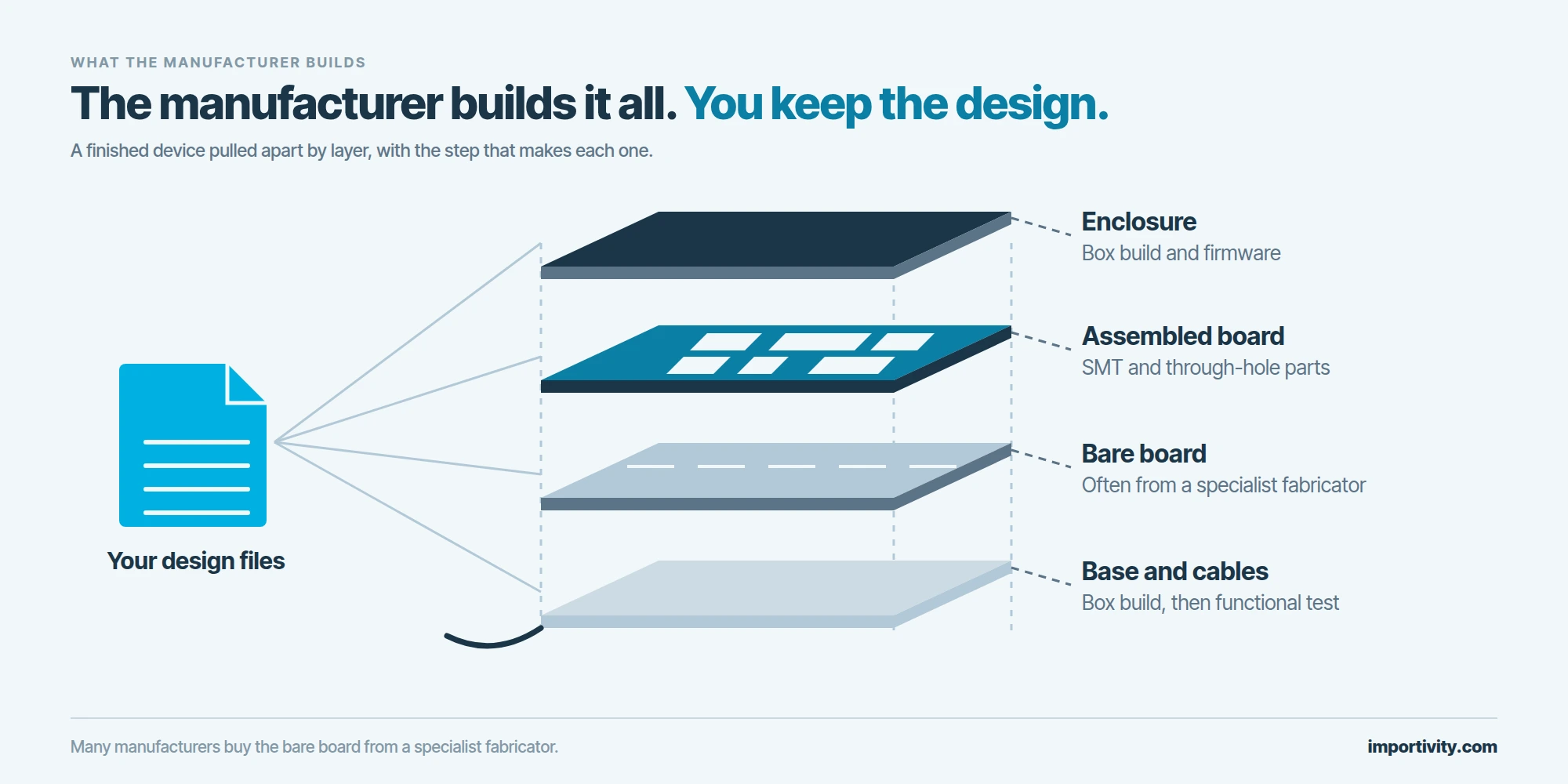
- Bare board fabrication. Many manufacturers buy the printed circuit board from a specialist fabricator and manage that supplier for you.
- Board assembly. Machines place surface-mount (SMT) parts and ovens solder them. Through-hole parts and connectors follow. The finished board is called a PCBA.
- Inspection and test. Automated optical inspection (AOI) and X-ray check the solder joints. In-circuit and functional tests check that the board works.
- Box build. The board goes into the enclosure with cables, batteries and displays, and firmware is loaded.
- Supply chain. The manufacturer buys the parts on your bill of materials, tracks lots and manages shortages.
Contract manufacturer vs OEM vs ODM
These terms cause confusion because people use OEM in two ways. In electronics, the OEM is often the brand that owns the product, and the contract manufacturer builds it for them. In overseas sourcing, OEM often means a factory that builds to your design. Our guide to OEM vs ODM manufacturing covers both uses.
The practical difference is who owns the design. With a contract manufacturer, you do. With an ODM, the factory designed the product and you put your brand on it, so you get to market faster and have less control. Before you sign, get in writing who owns the design files, the firmware, the test programs and any tooling. The general model is explained in our guide to contract manufacturing.
The largest contract electronics manufacturers
Foxconn, the trade name of Hon Hai, is the largest in the world, with 2025 revenue of about NT$8.1 trillion, or about $259 billion. Wistron and Quanta are also among the largest, and both do a large share of design work as well as assembly. Jabil, based in Florida, is the largest US-based provider, with net revenue of about $36 billion in fiscal 2026. Pegatron, Flex, Celestica and Sanmina are also large. Mid-size names include Plexus and Benchmark Electronics, and there are many smaller private firms. We list these companies to show the market, not as recommendations.
Rankings differ by source, because some mix fiscal and calendar years or leave out ODMs.
These firms serve customers with very large programs. For most brands, their size is a reason to look elsewhere. Your order would be a small part of their factory's schedule and their buying power would not be used on your behalf.
How to match a manufacturer to your volume
You want to be a meaningful customer, but not so large that you fill the factory. The volume bands below are a rough guide, and every company sets its own.
| Manufacturer type | Best for | Watch out for |
|---|---|---|
| Quick-turn prototype shop | 1 to 100 boards, fast turnaround to test a design | High unit price, and often no path to volume production. |
| Small regional EMS | Hundreds to a few thousand units a year, with close contact | Less buying power for parts and fewer test options. |
| Mid-size EMS | A few thousand to about 100,000 units a year | Many set a minimum annual spend and want a forecast. |
| Global top-tier EMS | Programs of millions of units | Smaller programs get little attention. |
| ODM | A standard product under your brand, with little design work | The factory may own the design, and competitors can buy the same product. |
Turnkey, consignment or partial turnkey
This decision sets who buys the parts, and parts are usually the largest cost in an electronic product.
- Full turnkey. The manufacturer buys everything. You deal with one company and it carries the purchasing work. Ask to see how it marks up components.
- Consignment. You buy the parts and ship them in, and the manufacturer charges for labor. You keep control of cost and sourcing, and a shortage is your problem.
- Partial turnkey. The manufacturer buys common parts, and you supply custom or hard-to-find parts. This is common for small programs with one or two special chips.
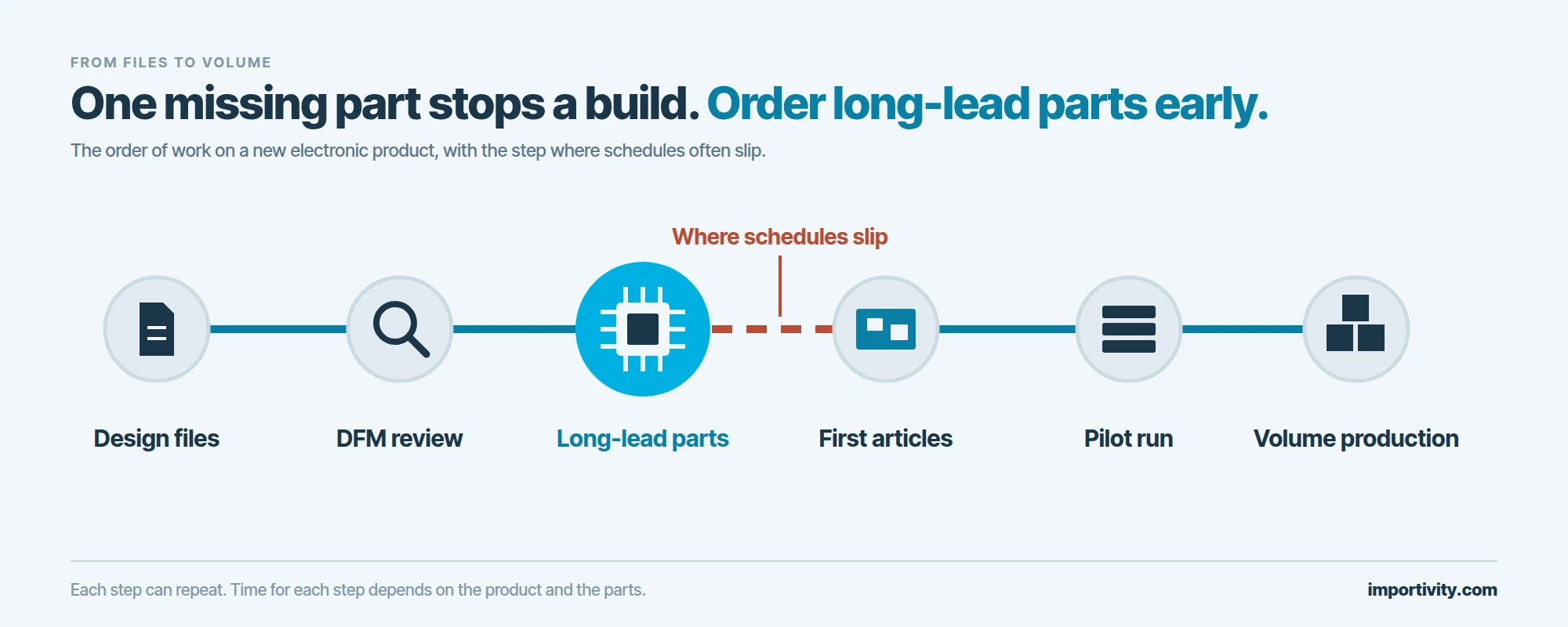
One missing part stops a whole build, so order long-lead parts early and approve alternates on your bill of materials. Agree who pays for leftover parts if your order changes. Buy from authorized distributors, and read our guide to verifying component origin. For parts sourcing help, see our electronic components sourcing page.
Where to build your electronics
- United States. Good for prototypes, regulated products and defense work. Labor costs more, and many components still come from Asia.
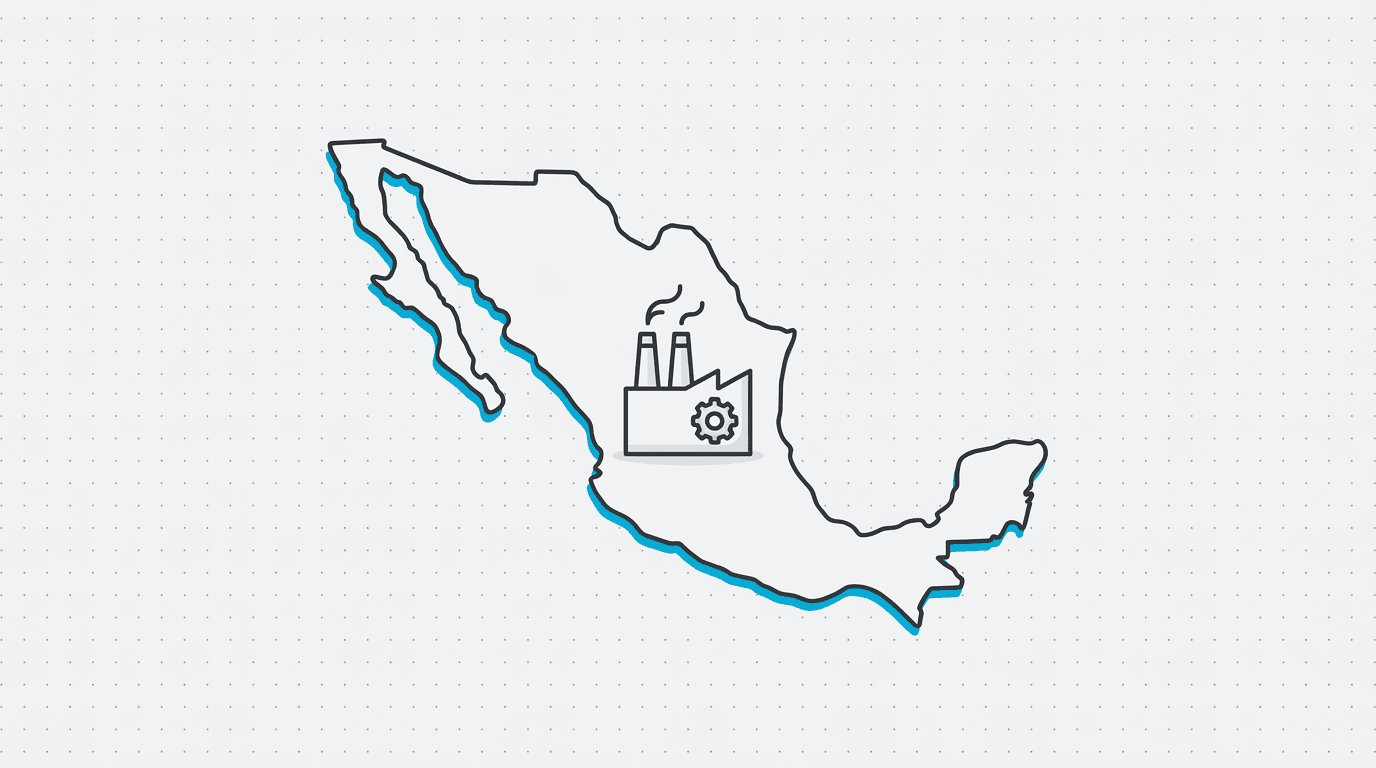
- Mexico. Guadalajara, Tijuana and Ciudad Juárez have a long history of board and box assembly. See our guide to manufacturing plants in Mexico. A product that qualifies under USMCA can enter without duty, but many boards use Asian components, so check the origin rule for your product.
- China. Shenzhen, Dongguan and Suzhou have the deepest component supply. Finished goods can pay the base rate, the Section 301 list duty and the 12.5% forced-labor duty.
- Vietnam. Northern Vietnam has grown fast in electronics assembly, and our guide to manufacturers in Vietnam covers the region. Goods pay the 12.5% forced-labor duty and no China list duty. Most components are imported, which affects lead time and origin.
Assembly location does not always set origin, because US customs looks at where the product was substantially transformed. Our guides to country of origin rules and tariff stacking explain how to work out the duty. A January 2026 Section 232 action set a 25% duty on certain advanced logic chips and products that contain them. It is narrow, but check your product against it.
What to send and what to ask
A good first package gets you a real quote. After that, the work follows a fixed order, and waiting on parts is a common reason schedules slip.
A quote has one-time costs and a unit price. One-time costs cover stencils, test fixtures, programming and setup. Design work and tooling are separate, and our sourcing guide puts total NRE for a straightforward Bluetooth consumer device at $40,000 to $120,000 before the first production unit ships. Ask for parts and labor as separate lines so you can see why two quotes differ, and ask for pricing at your first order size and at your annual volume.
Send these with your manufacturing RFQ:
- A bill of materials with manufacturer part numbers and approved alternates
- Gerber or ODB++ files, the pick-and-place file and assembly drawings
- Test requirements, firmware and any enclosure drawings
- Annual volume, order size and target date
Ask these before you choose:
- Which IPC-A-610 class do you build to? Class 2 is the usual level for commercial products, and Class 3 is for products that must not fail.
- Which certifications do you hold? ISO 9001 is the base level. Look for ISO 13485 for medical, IATF 16949 for automotive and AS9100 for aerospace.
- What test coverage do you offer? Ask for AOI, X-ray and functional test results by lot.
- Who owns the stencils and test fixtures? Ask about the test programs too, because you will need all of it if you ever move the product.
- How do you handle changes? Ask for a written engineering change process and lot traceability.
Importivity matches US brands with manufacturers that fit their volume, through our manufacturer sourcing work for electronics. To start, send us your product and order details.
Frequently Asked Questions
What is a contract electronics manufacturer?
A contract electronics manufacturer is a company that builds circuit boards and finished electronic products to another company's design. It buys the parts and builds and tests the product before shipping it. The customer keeps the design and the brand. The same kind of company is also called an EMS provider.
What are the top contract manufacturing companies?
In electronics, the largest names are Foxconn, Wistron, Quanta, Pegatron, Jabil, Flex, Celestica and Sanmina. Rankings differ by source because some count design work and some use fiscal years. These firms serve very large programs, so most brands work with smaller manufacturers.
Which company is the world's largest contract electronics manufacturer?
Foxconn, the trade name of Hon Hai, is the largest. It reported about NT$8.1 trillion of revenue for 2025, or about $259 billion. Jabil, based in Florida, is the largest US-based provider, with about $36 billion in net revenue for fiscal 2026.
What is the difference between a contract manufacturer and an OEM?
In electronics, the OEM is usually the brand that owns the product, and the contract manufacturer builds it for that brand. In overseas sourcing, OEM often means the factory itself, building to your design. In both uses, check who owns the design files, firmware and tooling.
What is the minimum order for a contract electronics manufacturer?
There is no single minimum. Quick-turn shops will build a few boards, small regional firms take hundreds of units, and many mid-size firms set a minimum annual spend. Global firms want very large programs. Tell each manufacturer your annual volume and order size up front.
About the author
Jordan Lewis
Chief Operating Officer, Importivity
Runs Importivity's sourcing operations across China, Vietnam, Mexico and India, from supplier negotiation through landed delivery.
Press and media inquiries: press@importivity.com