What Cargo Insurance Costs and Why the Carrier Will Not Pay
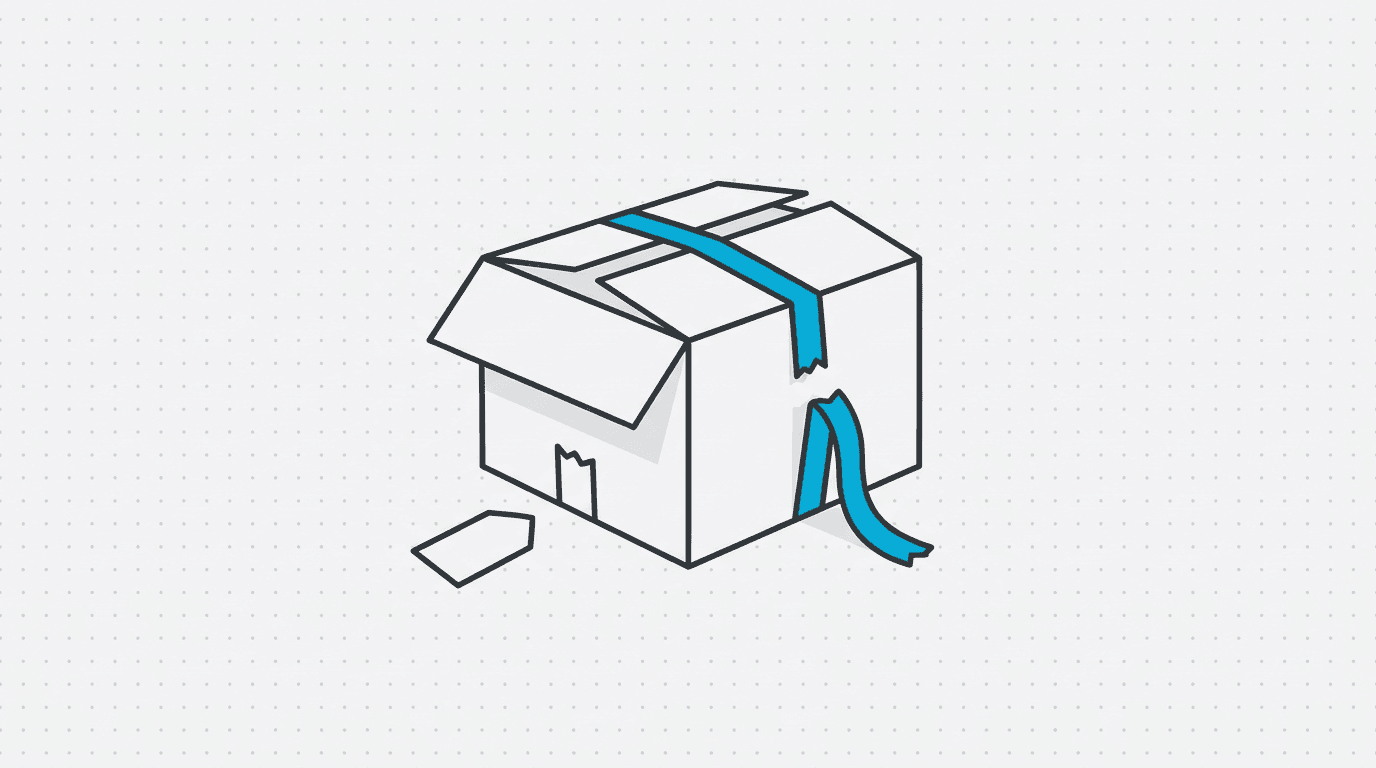
Marine cargo insurance is commonly quoted as a fraction of a percent of the insured value, with all risks cover on ordinary ocean freight typically landing somewhere between about 0.1 and 1 percent, and the insured value conventionally set at the CIF value plus 10 percent. Those percentages are not published rate cards. No major underwriter publishes one, because every premium is individually underwritten against the commodity, the route, the packing, the season and your claims history. The number that should actually drive the decision is not the premium. It is the amount the ocean carrier legally owes you when your goods are destroyed, which under US law is 500 dollars per package.
This guide is for US importers moving containers from Asia who have been treating insurance as an optional line on the forwarder's quote. It covers the real liability limits by mode, what the premium buys, the difference between the Institute Cargo Clauses, general average, and how often loss actually happens. If you are still setting your shipping terms, read it alongside our guide to Incoterms 2020, because the term decides who is supposed to buy the cover.
What the Carrier Actually Owes You
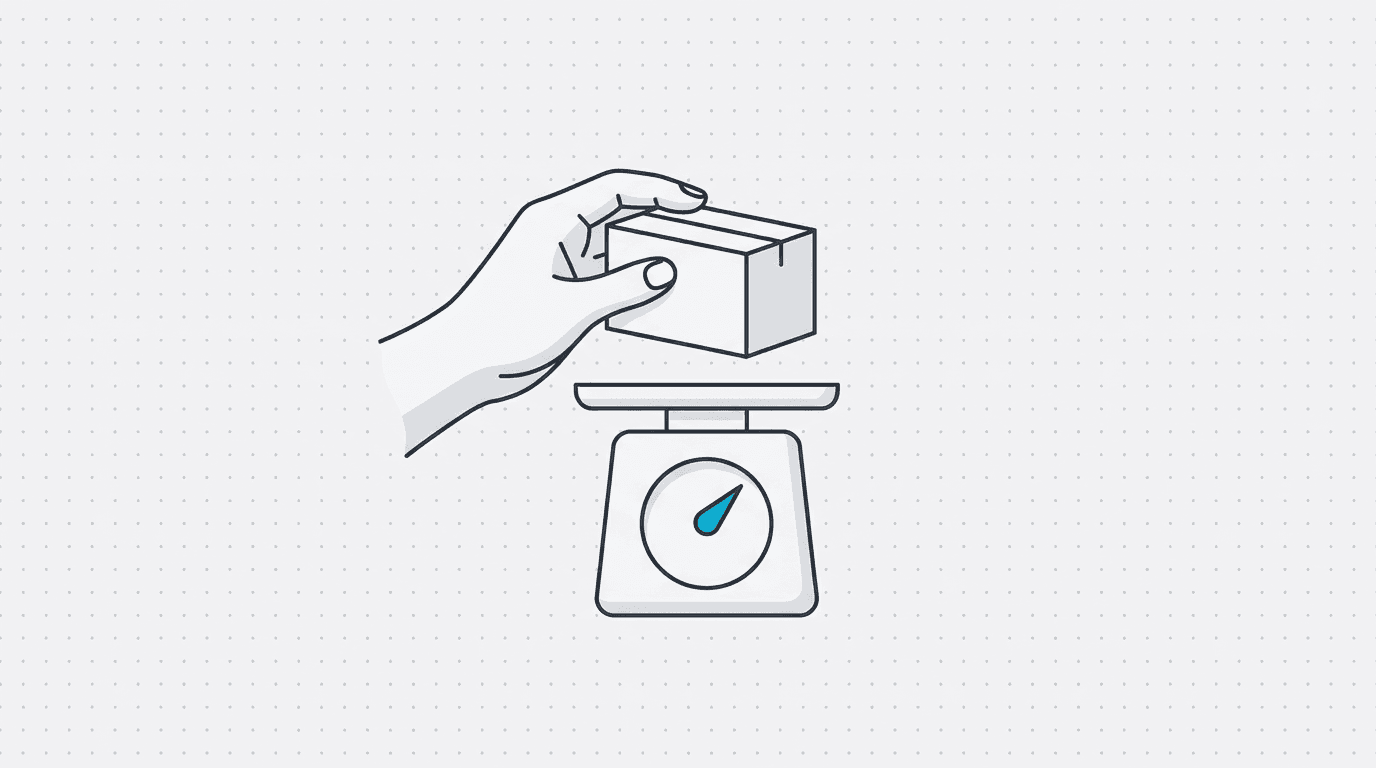
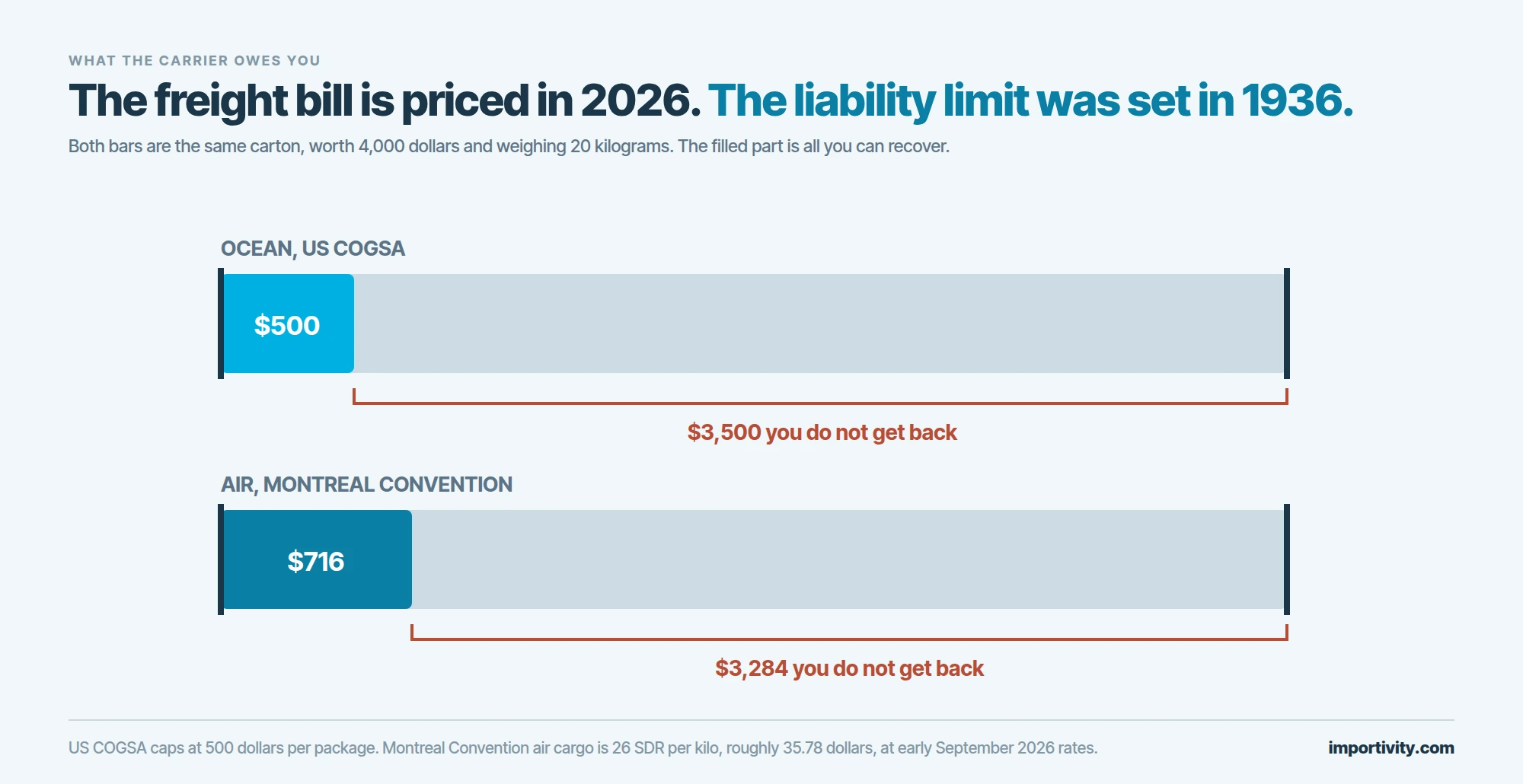
Start here, because it reframes everything else. Under the US Carriage of Goods by Sea Act, codified in the note to 46 U.S.C. 30701, a carrier's liability is limited to 500 dollars per package, or per customary freight unit for goods not shipped in packages, unless the shipper declares a higher value on the bill of lading and pays the corresponding freight. That figure was set in 1936 and has never been indexed.
Outside US law the Hague-Visby Rules apply on many trades, and Article IV rule 5(a) limits liability to 666.67 special drawing rights per package or unit, or 2 SDR per kilogram of gross weight, whichever is higher. The SDR is an IMF unit of account, worth roughly 1.376 US dollars at the start of September 2026, which puts the package limit at about 917 dollars and the weight limit at about 2.75 dollars per kilo. The rate moves daily, so check the IMF's SDR valuation page before relying on a converted figure.
Air is different again and better. Under Article 22(3) of the Montreal Convention the cargo limit rose to 26 SDR per kilogram with effect from 28 December 2024, a revision confirmed by FIATA and other freight bodies. At the same SDR rate that is roughly 35.78 dollars per kilo. On a 20 kilogram carton worth 4,000 dollars you would recover about 716 dollars by air and 500 dollars by sea. Our comparison of sea and air freight covers the other trade offs.
The word doing the damage in all of this is package. If your bill of lading describes the shipment as one container said to contain 800 cartons, a carrier will argue the container is the package. Describe the actual cartons on the bill of lading, and you are arguing about 800 limits rather than one.
What Cargo Insurance Actually Costs
Premiums are quoted as a percentage of the insured value. Commonly cited ranges put all risks cover on general ocean cargo at roughly 0.5 to 1 percent of value, restricted named perils cover nearer 0.1 to 0.3 percent, and air cargo somewhere around 0.2 to 0.7 percent. Low risk commodities on established lanes sit at the bottom of those bands and fragile, high theft or high value goods sit well above them.
Be honest with yourself about where those numbers come from. They circulate on insurance marketing sites rather than in any published rate filing, and the underwriters that actually write this business do not publish rate cards at all. Use the ranges to sanity check a quote, not to budget. What genuinely moves your rate is commodity class, packing standard, whether the goods are containerised, the route and any war risk zones on it, the deductible, and whether you are buying per shipment or an annual open policy.
The insured value is more standardised than the rate. Trade practice, and the minimum that Incoterms 2020 requires of a CIF or CIP seller, is 110 percent of the invoice value, in the currency of the contract. The extra 10 percent is conventionally explained as covering the margin and overhead you lose along with the goods. Two things follow. Under CIF the seller only has to buy the narrow Institute Cargo Clauses (C) cover, while under CIP the 2020 revision raised the requirement to the broad Clauses (A). If you are buying CIF and assuming you are covered for theft, you are not.
What the Institute Cargo Clauses Actually Cover
Cover comes in three standard grades, maintained jointly by the Lloyd's Market Association and the International Underwriting Association. They are not tiers of the same policy. They are different lists of perils, and the gaps between them are where claims get declined.
| Cover | What it does | Where it leaves you exposed |
|---|---|---|
| No cover, carrier liability only | Nothing, beyond the statutory per package limit | Everything above 500 dollars a package, plus general average security |
| Institute Cargo Clauses (C) | Major casualty perils only: fire, sinking, collision, capsize, derailment, general average sacrifice | Theft, pilferage, non delivery, seawater and weather damage, handling damage |
| Institute Cargo Clauses (B) | Clause C perils plus named additional ones including seawater and washing overboard | Theft and pilferage remain excluded |
| Institute Cargo Clauses (A) | All risks of loss or damage, subject to the named exclusions in the clause | Inherent vice, insufficient packing, delay, deliberate damage, war and strikes unless extended |
| War and strikes extension | Adds cover for war, strikes, riots and civil commotion | Usually priced and cancelled separately, and rates move with the route |
Read the exclusions on Clauses (A) closely, because two of them are self inflicted. Insufficient packing is excluded, so a claim on goods that shifted inside a badly packed carton can fail on your own packing standard. Delay is excluded outright, which means a missed selling season is not an insured loss no matter what caused the vessel to be late. Our guide to managing delays and disruptions covers what to do about the risk insurance will not take.
General Average, the Bill for Damage That Was Not Yours
This is the exposure most importers have never heard of and the single best argument for cover. When a shipowner declares general average after a casualty, every cargo interest on the vessel must contribute proportionally to the sacrifice and the salvage costs, whether or not their own goods were touched. Your undamaged container is held at destination until you post security.
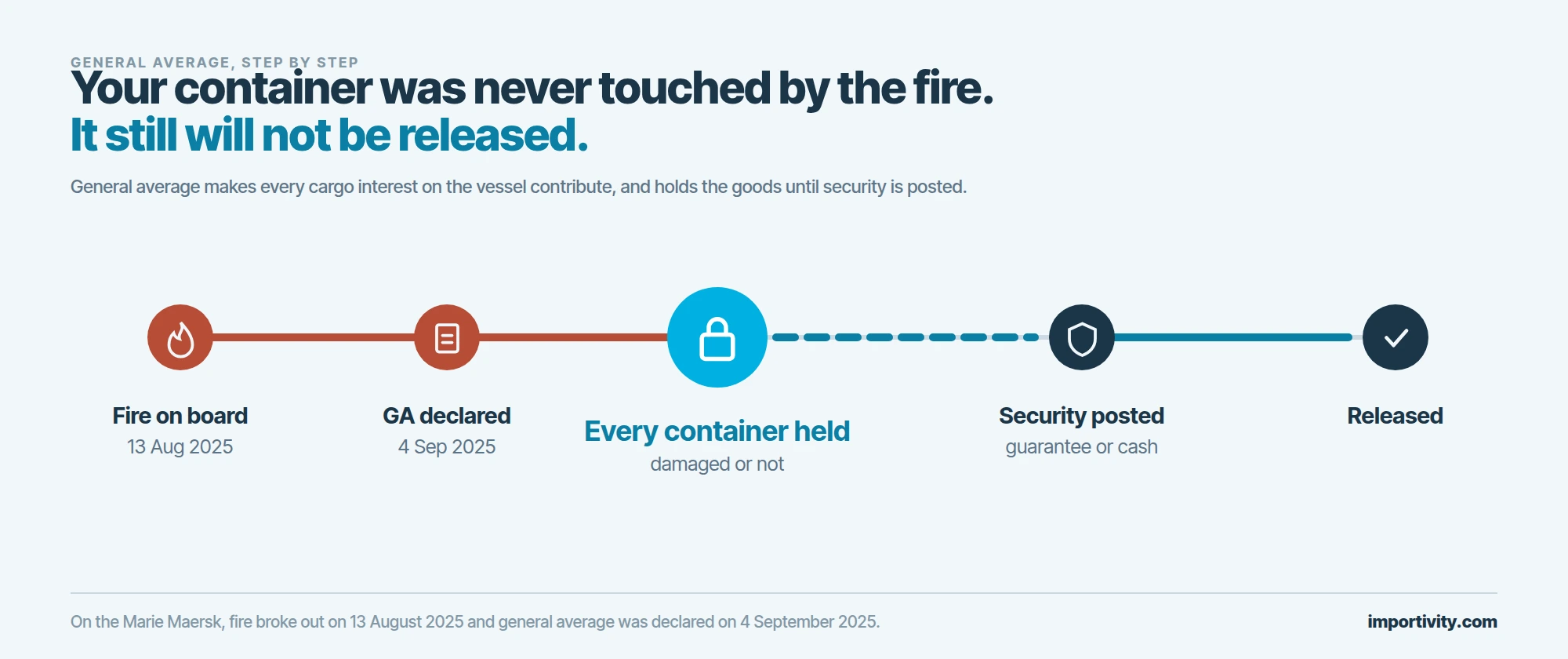
A real 2025 case makes it concrete. A fire broke out aboard the Marie Maersk on 13 August 2025, was brought under control over the following week, and on 4 September 2025 Maersk formally declared general average and appointed an average adjuster to handle claims, as reported by WorldCargo News. Customers had to post financial security before their containers would be released on arrival.
If you are insured, your underwriter issues an average guarantee and the container moves. If you are not, you post a cash deposit or a bank guarantee yourself, commonly described in the trade as somewhere in the range of 10 to 40 percent of cargo value, though the real number is set case by case by the average adjuster. That money is refundable only when the adjustment is finalised, which routinely takes years. An uninsured importer on a general average vessel is looking at a six figure deposit tied up indefinitely to release goods that were never damaged.
How Often This Actually Happens
Rarely, and that is the honest answer. The World Shipping Council's containers lost at sea report recorded 1,478 containers lost in 2025 out of roughly 280 million shipped, a loss rate around five thousandths of one percent. That was up sharply from 576 in 2024, but a single incident accounted for 640 of them, about 43 percent of the year's total. A record 128 were recovered.
The wider casualty picture is improving. Allianz Commercial's Safety and Shipping Review 2026 logged 2,818 shipping incidents in 2025, down about 16 percent on the previous year, with total losses averaging 70 a year across 2021 to 2025 against 111 a year in the preceding five year period. Machinery damage caused more than half of 2025 incidents. Fire is the exception to the good news: over 200 vessel fires were logged in 2025, the second highest annual total in a decade, with misdeclared dangerous goods and lithium ion batteries named as leading causes.
That last point is the one to sit with. Fire is the casualty most likely to trigger general average, it is rising, and its cause is very often a container that belongs to somebody else and was declared wrongly. Your own good practice does not protect you from it.
How to Buy It Properly
Cargo insurance is cheap enough that the decision is really about doing it correctly rather than whether to do it.
- Buy your own cover rather than relying on the seller's. Under CIF the seller only owes you narrow Clauses (C) cover, and a policy you did not arrange is a policy you cannot claim on easily.
- Insure at CIF plus 10 percent, in the contract currency. Underinsuring invites an average reduction on any partial claim.
- Ask for Institute Cargo Clauses (A) and read the exclusions. Then fix your packing, because insufficient packing is your exclusion to solve.
- Get an annual open policy once you ship regularly. Per shipment cover on a steady programme costs more and leaves gaps on the shipments somebody forgot to declare.
- Describe the packages properly on the bill of lading. This is free and it can multiply your fallback recovery by the carton count.
- Check the war risk position on your route before booking. War and strikes cover is a separate section and its rate moves with events.
Then make sure the rest of the cost model is right too. Insurance sits inside landed cost alongside freight and duty, and the landed cost calculator is the place to put it. If your forwarder is arranging cover on your behalf, ask which clauses and at what insured value, in writing. Our shipping and logistics service and our guide to what a freight forwarder does cover where that responsibility sits. If you would rather somebody held that question open on every shipment rather than after a loss, that is the work we publish at Source With Jordan.
Frequently Asked Questions
How much does marine cargo insurance cost?
Premiums are quoted as a percentage of insured value. Commonly cited ranges are roughly 0.5 to 1 percent for all risks cover on general ocean cargo, 0.1 to 0.3 percent for restricted named perils cover, and around 0.2 to 0.7 percent for air. No major underwriter publishes a rate card, so treat those as a sanity check on a quote rather than a budget figure. Commodity, route, packing and claims history set the real rate.
How much will the shipping line pay if my container is lost?
Far less than the goods are worth. Under the US Carriage of Goods by Sea Act the limit is 500 dollars per package unless you declared a higher value on the bill of lading. Under the Hague-Visby Rules it is 666.67 special drawing rights per package or 2 SDR per kilo, whichever is higher, roughly 917 dollars and 2.75 dollars per kilo at early September 2026 exchange rates.
What is general average and why does it affect undamaged cargo?
General average is a maritime principle requiring every cargo interest aboard a vessel to contribute proportionally to sacrifices and salvage costs after a casualty, regardless of whether their own goods were harmed. Containers are held at destination until security is posted. If you are insured your underwriter issues a guarantee. If you are not, you post a cash deposit or bank guarantee yourself, refundable only when the adjustment finalises, which can take years.
What is the difference between Institute Cargo Clauses A, B and C?
Clause C is the narrowest, covering only major casualty perils such as fire, sinking, collision and general average sacrifice, and it excludes theft, pilferage, non delivery and weather damage. Clause B adds named perils including seawater damage but still excludes theft. Clause A is all risks subject to named exclusions, which include inherent vice, insufficient packing, delay, and war and strikes unless separately extended.
Does CIF mean my shipment is fully insured?
No, and this is a common and expensive misreading. Under Incoterms 2020 a CIF seller must insure for at least 110 percent of invoice value but only to the minimum standard of Institute Cargo Clauses (C), which excludes theft, pilferage and weather damage. CIP is the term that requires the broad Clauses (A). If you are buying CIF and want all risks cover, buy your own policy rather than assuming the seller's is adequate.
About the author
Jordan Lewis
Chief Operating Officer, Importivity
Runs Importivity's sourcing operations across China, Vietnam, Mexico and India, from supplier negotiation through landed delivery.
Press and media inquiries: press@importivity.com