How to Choose the Right Shipping Method Between Sea vs Air Freight
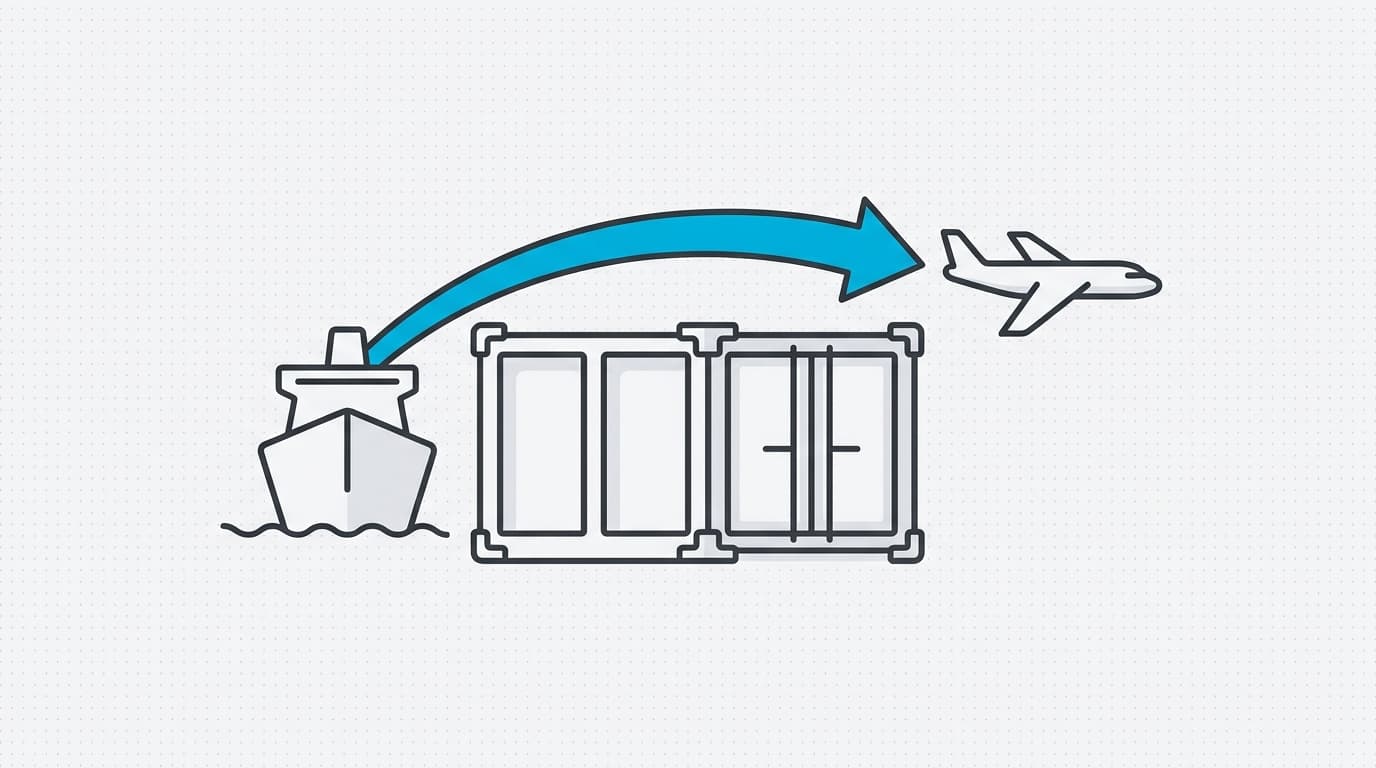
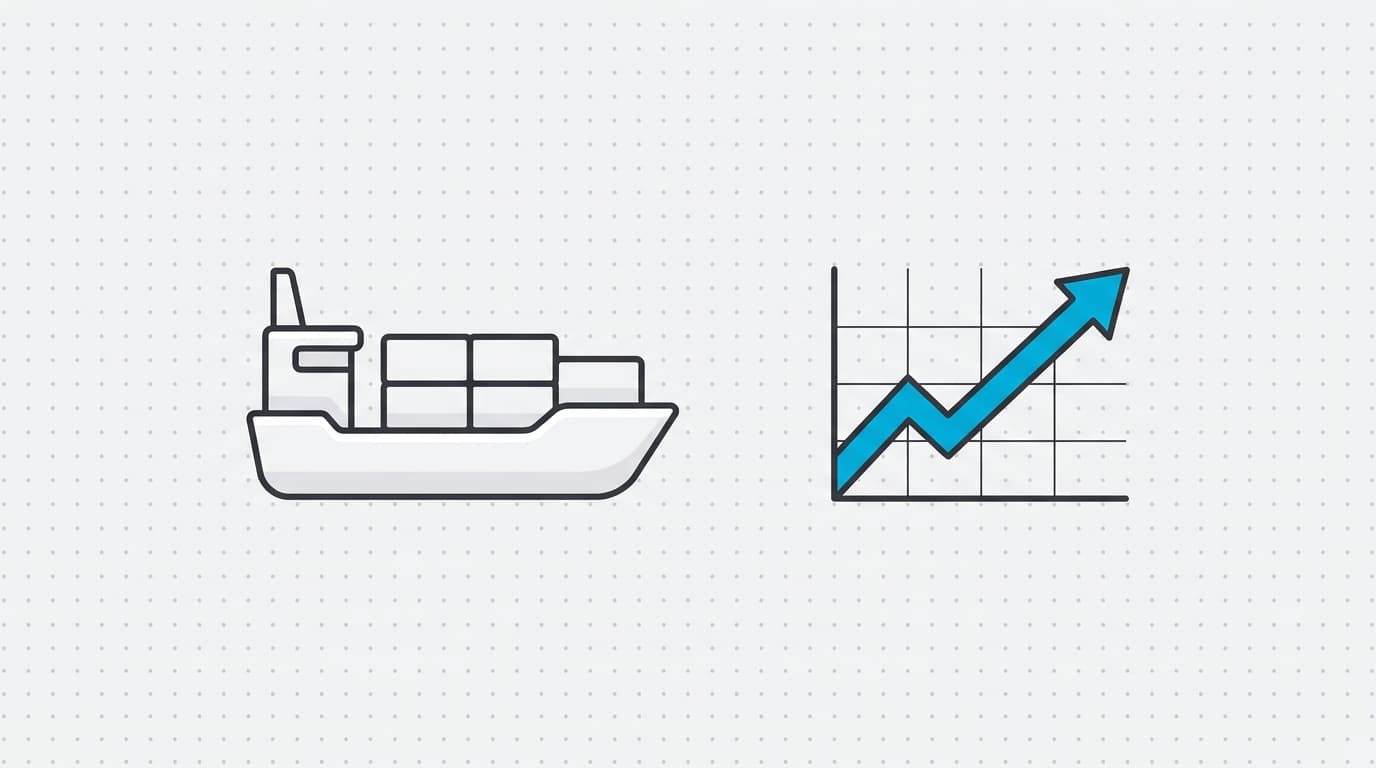
The sea vs air freight decision shapes your landed cost, your cash flow, and whether your shelves are stocked or empty. Air is fast and expensive; sea is cheap and slow. But that one-liner hides a dozen variables that can flip the right answer entirely, and getting it wrong on a $150,000 order is a costly lesson.
The short version: if your goods weigh more than roughly 150 kg, are not time-sensitive, and have a per-unit value below about $20, sea freight almost always wins. If you're racing a product launch, running out of best-seller stock, or shipping high-value electronics, air makes economic sense despite the premium. Everything in between, that's where the real analysis happens.
This guide walks through the concrete tradeoffs on cost, transit, reliability, carbon footprint, and cargo type, gives you a comparison table, and covers the hybrid strategy that experienced importers use to lower total risk without paying full air rates on every shipment.
Cost: What You Actually Pay Per Kilogram
Air freight from China to the U.S. typically runs $4–$8 per kg for standard general cargo, depending on carrier, season, and whether you're booking spot or contract rates. During peak season (October–November) or disruption events, that can spike to $10–$14. Sea freight on a Full Container Load (FCL) out of Shanghai to Los Angeles works out to roughly $0.10–$0.40 per kg when you spread the container cost across a full load. Even a Less-than-Container Load (LCL) shipment, where you pay for cubic meters rather than a full box, typically lands at $0.50–$1.50 per kg all-in.
That 5–20x cost gap sounds decisive, but it's not the full picture. Air freight eliminates roughly 30–50 days of in-transit inventory carrying cost. If your working capital cost is 15% annually and you have $200,000 of goods on the water for 40 days versus 5 days in the air, you're paying an extra ~$3,300 in financing cost for the sea option. That won't flip the decision, but it does narrow the gap slightly, especially for high-inventory-turn businesses.
Hidden cost note: Sea freight always comes with port fees, drayage to your warehouse, and often chassis fees and terminal handling charges that can add $300–$600 per container on top of the ocean rate. Air freight has its own add-ons, fuel surcharges, security fees, and airport-to-door trucking, but they tend to be more predictable and easier to quote upfront.
Head-to-Head Comparison
| Factor | Sea Freight | Air Freight |
|---|---|---|
| Typical cost (China–USA) | $0.10–$1.50 / kg | $4–$10 / kg |
| Transit time (China–USA) | 18–35 days port-to-door | 3–7 days door-to-door |
| Minimum viable shipment | LCL from ~0.5 CBM; FCL ~10–12 CBM+ | Any size; economical from ~50 kg |
| Schedule reliability | Moderate, port congestion, vessel delays common | High, daily flights, faster recovery from disruptions |
| CO₂ per tonne-km | ~0.010–0.015 kg CO₂ | ~0.500–0.600 kg CO₂ |
| Best for (cargo type) | Bulky, heavy, low-value, non-perishable goods | Light, high-value, time-sensitive, perishable goods |
| Cargo restrictions | Few, hazmat, oversize acceptable with proper docs | Strict, lithium batteries, liquids, and many hazmat classes prohibited or limited |
| Breakeven weight (vs. sea LCL) | , | ~150 kg: below this, air cost premium often justifiable; above, sea wins decisively |
Transit Time and Schedule Reliability
A 25-day transit on a China–West Coast lane sounds manageable until a vessel skips your port, you miss a sailing cut-off, or chassis availability at the destination terminal backs up your cargo for another week. Real port-to-door times on that lane routinely stretch to 35–42 days when you include customs clearance and final-mile trucking. If you're planning inventory replenishment cycles, build in a safety buffer of at least 10 days beyond the carrier's advertised transit.
Air freight's reliability advantage is real. Direct flights from Shanghai to Chicago or Los Angeles operate daily on multiple carriers, and missed connections typically only add 24 hours. You can also book with much shorter lead time, a week out versus the 2–3 weeks typically needed to secure space and submit shipping instructions for ocean freight during busy seasons.
That said, air freight is not immune to disruption. Belly cargo, goods shipped in the hold of passenger aircraft, depends on passenger route demand. During COVID, when passenger flights collapsed, air freight capacity shrank and rates tripled almost overnight. If you rely on air for critical replenishment, having a backup carrier relationship matters. For more on building contingency into your supply chain, see how to manage delays and disruptions in global shipping.
LCL vs. FCL for Sea, and Consolidation for Air
Less-than-Container Load (LCL) vs. Full Container Load (FCL)
If you don't have enough cargo to fill a 20-foot container (roughly 25–28 CBM and 20,000 kg max), you have two sea options: book LCL and share space with other shippers, or book FCL and pay for the whole box regardless of how much you fill it.
- LCL makes sense below about 12–14 CBM. You pay per CBM (or per 1,000 kg, whichever is greater), and a freight forwarder consolidates your cargo with others. The downside: your goods spend more time in the consolidation warehouse, transit typically runs 3–7 days longer than FCL, and your cargo is handled multiple times, adding a small but real risk of damage.
- FCL is almost always cheaper per CBM above that threshold, and your container is sealed from origin to destination. At 14+ CBM, run the numbers both ways, the FCL premium often disappears fast.
Air Consolidation (Groupage)
The air equivalent of LCL is a consolidated air shipment, sometimes called groupage. A freight forwarder bundles multiple shippers' cargo into a single air waybill, which typically cuts the rate by 15–25% versus booking a single shipper air waybill. The tradeoff is a slightly longer booking window (usually 3–5 days) and less flexibility on pickup. For shipments of 50–500 kg that aren't truly urgent, consolidation is almost always worth asking your forwarder about.
Carbon Footprint
Air freight emits roughly 40–50 times more CO₂ per tonne-kilometer than ocean freight. On a practical level, shipping 1,000 kg of goods from Shanghai to Los Angeles by sea produces approximately 180–200 kg of CO₂. The same shipment by air produces roughly 8,500–9,000 kg, about the same as driving a car for an entire year.
This gap is increasingly relevant if you have sustainability commitments, supply chain disclosure requirements under frameworks like the SEC's climate reporting rules, or customers who ask about it. Defaulting to sea for bulk replenishment is the single largest lever most importers have to reduce their Scope 3 emissions. That doesn't mean abandoning air freight, it means treating it as the exception rather than the default.
Connecting Freight Mode to Landed Cost and Incoterms
Your freight mode choice doesn't exist in isolation, it's directly tied to how you've structured the purchase contract with your supplier. Under Incoterms 2020, the rule you use determines who pays for freight, who bears the risk in transit, and at what point ownership transfers. That matters a lot when you're comparing sea and air.
If you're buying on FOB (Free on Board), your supplier delivers to the origin port and you arrange and pay for freight from there. That gives you full control, you can shop forwarders and switch between sea and air as needed. If you're buying on CIF (Cost, Insurance, Freight) or DDP (Delivered Duty Paid), your supplier controls the freight arrangement, and you may have less visibility into whether they're using the most cost-effective mode. For a full breakdown of how these terms interact with your total landed cost, read our FOB vs DDP explained guide.
Key takeaway: Landed cost, your total cost to get goods to your warehouse, must include the freight mode premium or savings. An air shipment that keeps your best-seller in stock through a peak sales week can easily justify a higher freight bill when you account for lost revenue from a stockout.
The Hybrid Strategy: Air First, Sea Bulk
One of the most practical approaches for brands sourcing overseas is to split the order, air a portion of your initial run to get to market faster, then follow with the bulk on sea. Here's when this makes sense and when it doesn't:
When the hybrid works
- You're launching a new product and need 200–500 units to validate demand before committing to a full container's worth of inventory.
- You've run out of a best-seller with 4–5 weeks of sea transit ahead and need bridge stock to cover the gap.
- Your supplier has a minimum order quantity that's larger than your immediate needs, you air the first batch and sea the rest into safety stock.
- You're importing for a specific event, trade show, or seasonal window with a hard deadline you can't miss.
When the hybrid doesn’t work
- Your margins are already thin and the air premium would push unit economics negative.
- Your goods are heavy, bulky, or low-value, like furniture, most hardware, or basic commodity apparel. The air cost per unit is simply prohibitive.
- You have hazmat, lithium batteries, or other restricted cargo that faces strict air freight limitations or requires special approvals that add time and cost.
- Your cash flow is constrained. Air freight ties up working capital faster and you may need that runway elsewhere.
A practical rule of thumb: if your product has a value-to-weight ratio above $15–20 per kg and the air freight cost represents less than 5–8% of the goods' value, air is usually defensible, especially for initial stock. If freight cost exceeds 10–15% of goods value, sea should be your default and air the rare exception.
Rules of Thumb for Choosing
No single formula covers every situation, but these guidelines hold up across most importing scenarios:
- Weight over 500 kg: Almost always sea freight unless urgency or value per kg overrides it.
- Value above $50/kg: Air becomes viable, the freight cost is a smaller percentage of goods value, and the working capital saved by faster turnover starts to matter.
- Deadline within 2 weeks: Air is often your only real option if the goods aren't already on the water.
- Perishables or temperature-sensitive goods: Air by default; reefer sea containers exist but add complexity and cost that rarely beat air for short-shelf-life products.
- Hazmat or oversized cargo: Sea freight almost always; air restrictions are extensive and expensive to navigate.
- First order from a new supplier: Consider air for a small test shipment, faster transit means faster feedback and less capital at risk if quality is off.
If you would rather somebody held these decisions open on every shipment instead of after a problem, that is the work we publish at Source With Jordan.
Frequently Asked Questions
What is the breakeven point between sea and air freight?
There's no single breakeven because it depends on the value of the goods, your carrying cost of capital, and how urgently you need the stock. As a rough guide, air freight typically becomes cost-prohibitive for shipments heavier than 150–200 kg of low-to-mid-value goods. For high-value goods (electronics, apparel with a high wholesale price per kg), the breakeven shifts, a $10,000 shipment of 50 kg goods may absorb the air premium easily. Run the numbers: add the freight cost to both options, then factor in carrying cost savings from faster air transit. If you need the goods within 10 days, the sea option often isn't actually available anyway.
How do LCL shipments compare to a full container for small importers?
LCL is typically more cost-effective below 12–14 CBM. You pay for the space you use rather than an entire container. The drawbacks are longer transit times (usually 3–7 extra days due to consolidation and deconsolidation at the destination CFS), slightly higher per-CBM rates above a certain volume, and more cargo handling, which increases the risk of minor damage. For fragile goods or high-value items, FCL is worth paying for even if you don't fill the box, because it eliminates the handling risk.
Can I ship lithium batteries by air from China?
Yes, but with significant restrictions. IATA Dangerous Goods Regulations classify lithium batteries under Class 9 and impose strict limits on state of charge (must be ≤30% for most shipments), packaging requirements, and per-package quantity limits. Loose lithium cells face the tightest restrictions. Many carriers refuse certain battery types entirely. Devices with batteries installed (like finished consumer electronics) have somewhat more flexibility. Always confirm the specific battery type, watt-hour rating, and intended carrier restrictions before booking. Non-compliance can result in shipment rejection at the airport, which is worse than planning for sea freight from the start.
Does my Incoterm affect whether I should use sea or air?
Incoterms don't dictate the mode, but they do affect who controls the freight arrangement and who bears the risk during transit. Under FOB, you control freight booking from the origin port, so you can freely switch between sea and air based on your needs. Under EXW, you're arranging freight from the factory door, which gives you even more control but also full responsibility for inland origin transport. Under CIF or DDP, your supplier controls freight, so you may have less visibility and fewer options. If you want direct control over the sea-versus-air decision, negotiate FOB or FCA terms. See our Incoterms 2020 guide for the full breakdown.
Is sea freight always slower than air? What about express ocean services?
Standard LCL and FCL from China to the U.S. West Coast takes 18–25 transit days, plus customs clearance and drayage, realistically 25–35 days door-to-door. Some carriers offer premium FCL services on direct-call vessels that shave 3–5 days off transit, but these come at a premium and availability is limited. There are no ocean options that come close to air's 3–7 day door-to-door speed. If you need goods in under 10 days, air is your only realistic option unless the cargo is already on the water.
About the author
Jordan Lewis
Chief Operating Officer, Importivity
Runs Importivity's sourcing operations across China, Vietnam, Mexico and India, from supplier negotiation through landed delivery.
Press and media inquiries: press@importivity.com