What to Know Before Sourcing from Vietnam, China, and Mexico?
If you are deciding where to source your next product, the three names that come up most often are Vietnam, China, and Mexico. The short answer is that there is no single best country. China still offers unmatched scale and a complete supplier ecosystem, Vietnam offers lower labor costs and strong trade agreements for textiles and consumer goods, and Mexico offers nearshoring speed and USMCA tariff benefits for North American importers. The right choice depends on your product category, your delivery requirements, and how much supply chain risk you are willing to carry. The smartest brands rarely pick just one.
This guide breaks down what you actually need to know before sourcing from Vietnam, China, or Mexico. It covers the real cost and trade dynamics of each country, a direct Vietnam sourcing vs China comparison, where Mexico fits, the questions to ask before you commit, and how to build a balanced strategy that protects you when trade policy shifts. It is written for importers and sourcing teams who want to move beyond a price-only decision.
Why Businesses Are Expanding Beyond China
For decades, China has remained the leading choice for global sourcing, offering unparalleled scale, sophisticated infrastructure, and a well-established supplier base. Yet, due to rising labor costs, increased tariffs, and recent supply chain disruptions, businesses worldwide are now rethinking their dependency on a single manufacturing hub.
Even though China continues to provide speed, expertise, and product diversity, more companies are turning their attention toward sourcing from Vietnam and Mexico as part of a diversified procurement strategy. By broadening their sourcing network, importers can mitigate risks tied to geopolitical instability, pandemic-style disruptions, and fluctuating trade regulations.
Diversifying supply chains not only reduces exposure to sudden interruptions but also encourages innovation, as manufacturers in emerging markets bring fresh ideas, sustainable practices, and competitive pricing to the table. For a closer look at two leading alternatives, see our Vietnam vs Mexico manufacturing comparison.
Sourcing From Vietnam the Rising Manufacturing Powerhouse
The global spotlight is increasingly shifting toward sourcing from Vietnam, which has rapidly transformed into a major hub for manufacturing, particularly in apparel, electronics, and furniture. With its competitive labor costs, strategic trade partnerships, and an expanding industrial base, Vietnam has become a vital alternative for businesses seeking both affordability and quality.
Key Advantages of Importing From Vietnam
One of the primary reasons companies are sourcing from Vietnam is its cost efficiency. Labor rates are significantly lower than in China, which makes it ideal for labor-intensive production like textiles and footwear. Vietnam has also secured multiple free trade agreements, allowing businesses to enjoy tariff reductions and smoother cross-border transactions.
Beyond cost and trade benefits, Vietnam’s manufacturing sector is evolving rapidly. The country is advancing from traditional industries toward higher-value sectors such as consumer electronics, machinery, and precision parts, positioning itself as a long-term sourcing contender in the global arena.
Challenges to Consider When Sourcing From Vietnam
While the opportunities are vast, sourcing from Vietnam does come with challenges. Infrastructure improvements are ongoing, but logistics such as port efficiency and inland transportation can still lag behind more mature markets. Factories may also operate on a smaller scale, which can limit large-volume production capacity.
Maintaining consistent quality also requires strong quality control mechanisms. Companies that thrive in Vietnam usually partner with local inspection teams or sourcing agents to ensure compliance with international standards and delivery timelines.
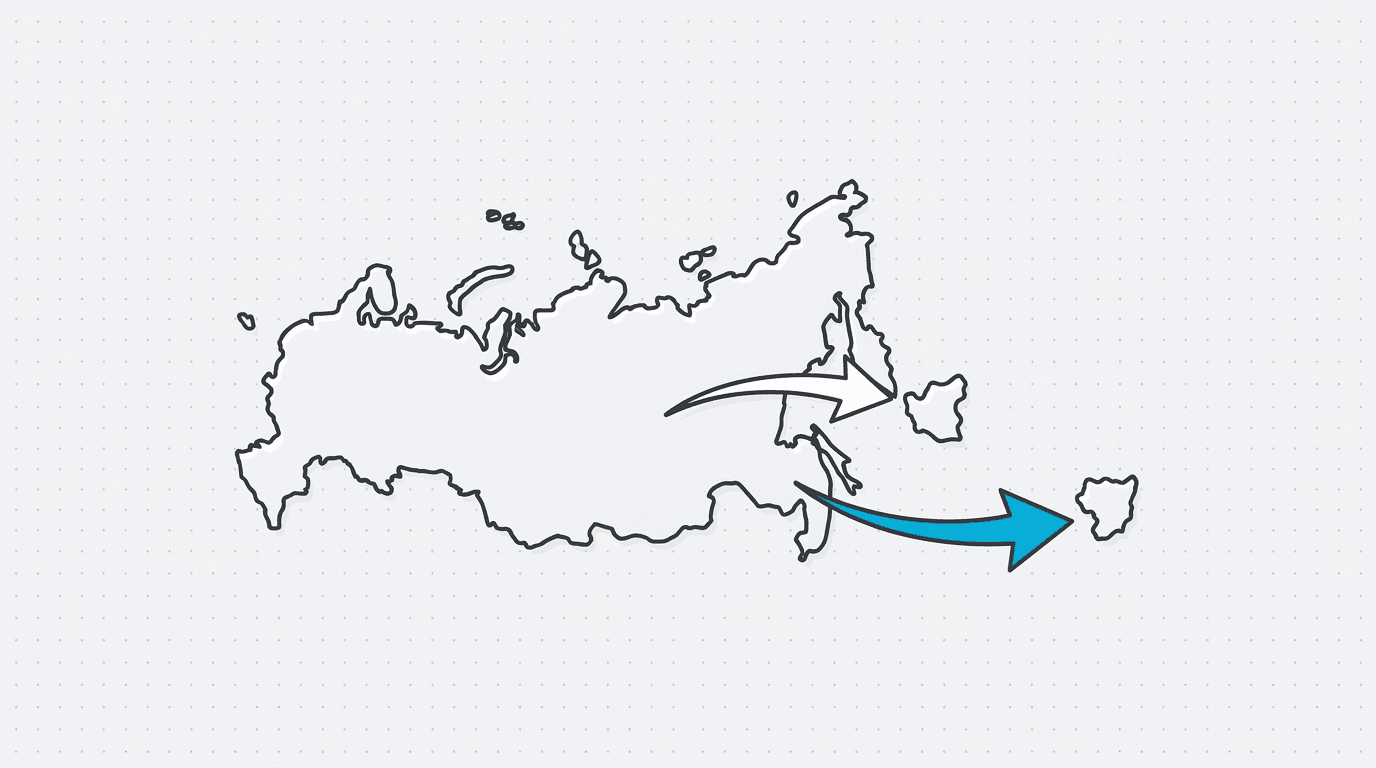
Where Vietnam Fits in a Diversified Supply Chain
Vietnam is rarely a full replacement for China. It is a complement. Brands typically keep complex, component-heavy products in China, where the supplier ecosystem is deepest and nearly anything can be built inside one integrated network, and move labor-intensive lines such as apparel, footwear and furniture to Vietnam, where labor costs are lower and free-trade-agreement coverage is broader. Splitting production that way lowers landed cost and removes single-country risk in the same decision.
The head-to-head detail lives on its own page. For unit costs, supplier depth, production scale, tariff exposure and logistics compared line by line, see China vs Vietnam manufacturing.
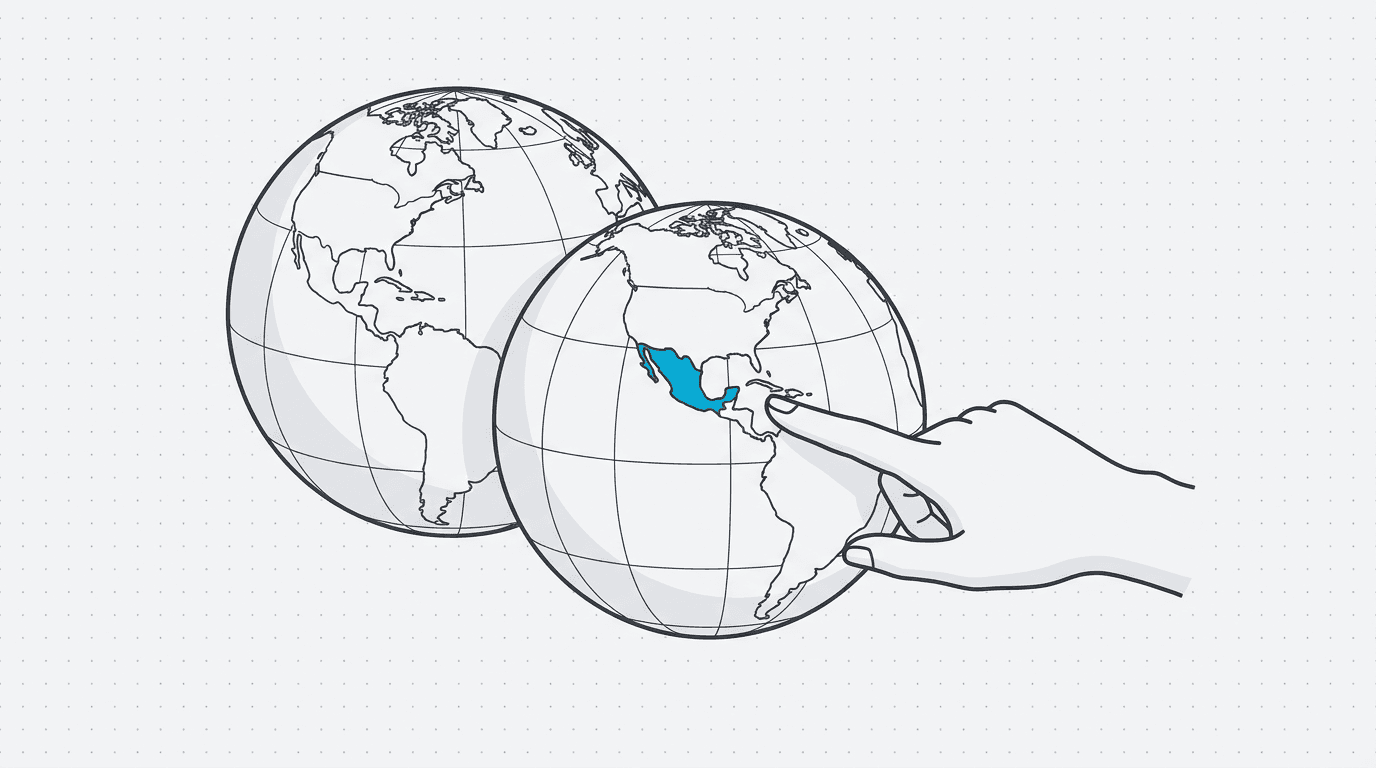
Where Mexico Fits in a Diversified Supply Chain
Mexico is the nearshoring option for North American importers. Proximity and overlapping time zones cut delivery times and make real-time collaboration possible, and the USMCA (United States, Mexico and Canada Agreement) reduces tariffs and smooths customs treatment. It is strongest in automotive, aerospace and heavy manufacturing. It does not yet match Vietnam in consumer goods or China in ecosystem breadth, and labor costs sit above Vietnam while staying well below the United States.
For the full side-by-side, see Mexico vs China manufacturing, or browse our Mexico manufacturer connections.
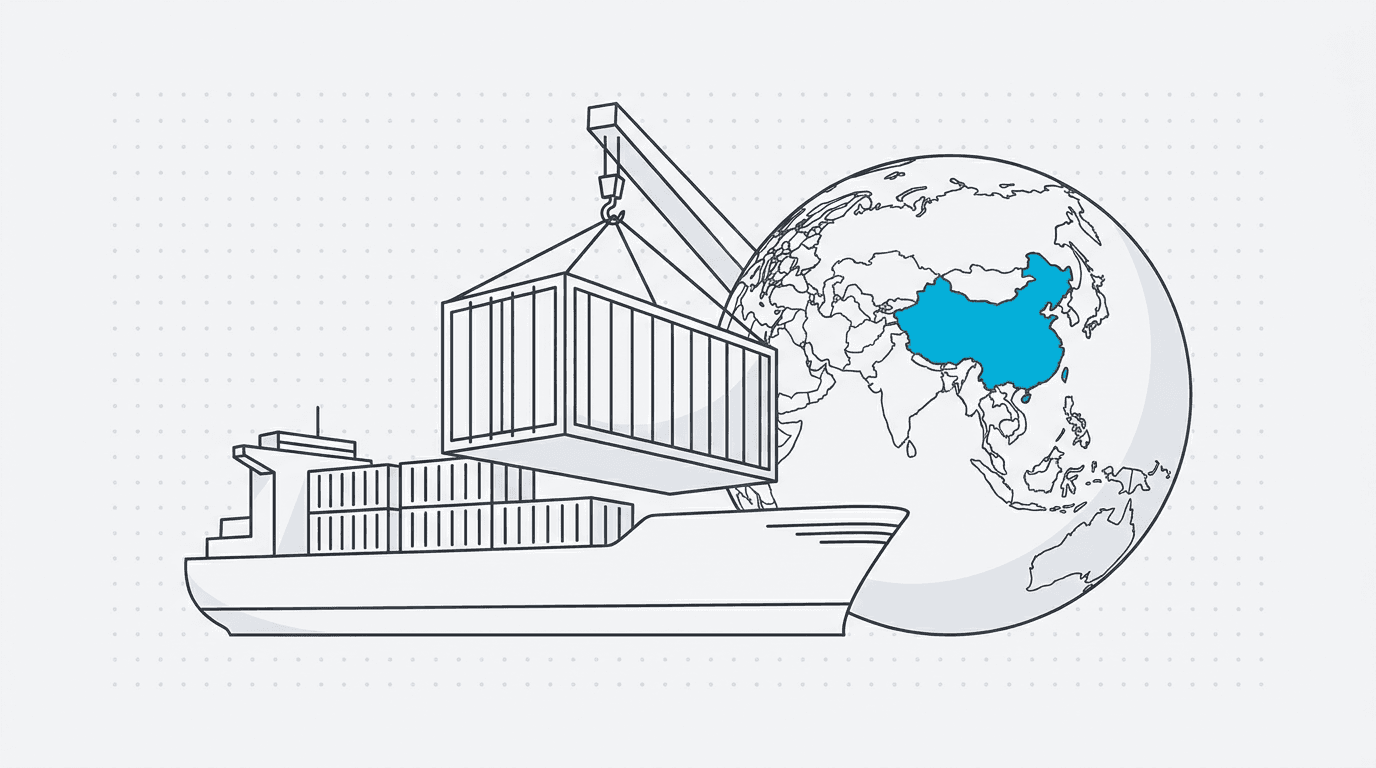
Why China Still Dominates Global Sourcing
Despite global diversification trends, China’s dominance in manufacturing remains hard to displace. Its robust infrastructure, advanced technology adoption, and vast supplier network make it an indispensable component of most global sourcing strategies.
China’s factories are not only able to scale production quickly but also carry the technical expertise to deliver precision and consistency. While sourcing from Vietnam offers cost advantages, China’s mature ecosystem provides unmatched integration of materials, logistics, and innovation under one roof.
Businesses that maintain partnerships with Chinese suppliers benefit from well-established communication channels, efficient customs processes, and the ability to produce everything from low-cost goods to high-end electronics with consistent quality.
Building a Balanced Global Sourcing Strategy
Rather than choosing one country over another, forward-thinking companies are adopting blended sourcing models that combine the strengths of multiple regions. A hybrid approach involving sourcing from Vietnam, China, and Mexico enhances resilience, flexibility, and competitive advantage.
This balanced approach ensures that when trade policies shift or global disruptions occur, your operations remain agile and protected from dependency on a single market. The goal is not to find a perfect country but to assemble a sourcing footprint that matches each product to the country that makes it best.
Supply Chain Risk Management and Key Questions to Ask
Before deciding between China, Mexico, or sourcing from Vietnam, evaluate a few critical factors so the decision matches your priorities:
- What is your product category, and which country has the deepest supplier base for it?
- How sensitive are your margins to labor cost versus shipping cost?
- How important is lead time, and would nearshoring to Mexico shorten it meaningfully?
- What tariff and free-trade-agreement exposure applies to your destination market?
- Do you have the quality control resources to manage a newer market like Vietnam?
- Can you split production across countries to reduce single-source risk?
Answering these helps identify whether sourcing from Vietnam, China, or Mexico best matches your priorities, or whether a blend of all three is the stronger play.
We run Mexico the same way we run Asia, with people on the ground rather than a call schedule. Our case study on importing over 2 million dollars in custom ironwork from Monterrey is the worked version, and Source With Jordan is where that work gets published.
Related Guides and Services
Not sure which country and supplier type fit your product?
At Importivity, we eliminate the guesswork from sourcing in Vietnam, China, or Mexico. Instead of spending months navigating unfamiliar suppliers, endless back-and-forth emails, and quality risks, we connect you directly with vetted manufacturers that match your product requirements and business objectives, helping you save time, reduce risk, and gain a competitive edge.
Contact Us TodayFrequently Asked Questions
Is sourcing from Vietnam cheaper than sourcing from China?
Yes, labor costs are generally lower in Vietnam, making it cost-effective for textiles, footwear, and consumer goods. In a Vietnam sourcing vs China comparison, China still offers more scale and a deeper supplier ecosystem, so the cheaper option depends on your product and volume.
Why are companies choosing Mexico for sourcing?
Proximity to the United States, shorter shipping times, and USMCA tariff benefits make Mexico appealing, especially for nearshoring. It is strongest for automotive, aerospace, and heavy manufacturing serving North American buyers.
Is China still a good option for mass production?
Absolutely. China remains the most capable option for mass production and advanced manufacturing, thanks to its integrated supplier network, infrastructure, and technical expertise across nearly every product category.
What are the main challenges of sourcing from Vietnam?
Infrastructure gaps, smaller supplier networks, and quality variability are the main challenges. Most brands manage these by working with local inspection teams or a sourcing agent to enforce quality standards and timelines.
Should I diversify across Vietnam, China, and Mexico?
Yes. Spreading production across Vietnam, China, and Mexico reduces single-country risk and increases flexibility, so your supply chain stays resilient when tariffs or global disruptions hit one region.
About the author
Jordan Lewis
Chief Operating Officer, Importivity
Runs Importivity's sourcing operations across China, Vietnam, Mexico and India, from supplier negotiation through landed delivery.
Press and media inquiries: press@importivity.com