



Where Does Nike Make Shoes and Apparel?

Where Does Nike Make Shoes

Category

Post Production Credits

Table of Contents

Table of Contents

If you are wondering where Nike makes shoes and apparel, the short answer is that Nike uses a global network of independent contract manufacturers across multiple manufacturing hubs, with countries like Vietnam, China, and Indonesia historically playing major roles. That strategy is not just about cost. It is about specialization, scale, resilience, and avoiding overreliance on any single country. For growing brands, that may be the most important lesson of all.

The Short Answer: Nike Uses Hundreds of Manufacturers Around the World

Nike does not own its factories. Instead, it contracts with independent manufacturers to produce footwear, apparel, and equipment across dozens of countries. According to Nike's public filings, the company works with roughly 660-plus factories employing over 1.2 million workers across approximately 35 countries.

For footwear, Nike works with around 15 independent manufacturers operating nearly 100 factories in 11 countries. Apparel production is even more spread out, with more than 60 manufacturers operating over 300 factories in 33 countries.

The exact distribution changes over time based on demand, supplier relationships, cost considerations, and tariff conditions. Nike publicly discloses factory locations through its Manufacturing Map, which is updated regularly.

Nike's Manufacturing Model: Why Nike Does Not Use Just One Factory or One Country

Nike operates on a contract manufacturing model. The company designs and develops products in-house but relies on specialist third-party manufacturers to actually produce them. Nike does not own a single production facility.

This approach is intentional. Different factories bring different strengths in footwear construction, cut-and-sew apparel, technical outerwear, and textile production. A factory that excels at high-volume athletic footwear may not be the right fit for performance outerwear. By working with a broad network of manufacturers, Nike can match each product type to the factory best equipped to produce it.

This model also supports diversification. When production is spread across multiple countries, a disruption in one region does not shut down the entire operation. That kind of resilience is relevant for brands building resilient supplier networks at every size.

Importivity works with factories that manufacture similar categories, and in some cases with manufacturers that also produce for globally recognized brands. The point is not to make knockoffs. It is that experienced factories with proven quality systems and stronger process discipline offer a faster path to quality and consistency for brands building their own products.

What Countries Does Nike Manufacture In?

Nike's production network spans multiple countries, and the exact mix changes based on season, product line, and trade conditions. Based on Nike's fiscal year reporting, the company's most significant manufacturing hubs have consistently included Vietnam, China, and Indonesia, with other countries playing meaningful roles in apparel, materials, and regional production.

Vietnam

Vietnam is Nike's single largest manufacturing country. Vietnamese factories account for roughly half of all Nike footwear production and a significant share of apparel output. The country has built a strong manufacturing ecosystem around footwear and garment production, supported by competitive labor costs, government incentives for foreign manufacturers, and well-developed port infrastructure.

For brands exploring their own sourcing options, Vietnam is increasingly attractive not just because of scale but because of the depth of the supplier ecosystem. It is a strong fit for brands looking to diversify away from overreliance on any single market.

Learn more about manufacturing in Vietnam →

China

China's share of Nike's footwear production has declined over the past decade, but it remains a critically important manufacturing partner. Chinese factories are concentrated in provinces like Guangdong, Fujian, and Jiangsu, which are well-established hubs for technically complex and high-specification production.

China's value to Nike is not just about assembly. It is about deep supplier ecosystems, access to advanced materials, speed of prototyping, and the technical capability to handle sophisticated product lines. Many brands keep China in their sourcing mix specifically for these reasons, even as they diversify other production elsewhere.

Learn more about manufacturing in China →

Understand how tariffs affect sourcing from China →

Indonesia

Indonesia has long been one of Nike's top three manufacturing countries, particularly for footwear. Indonesian factories, many concentrated on Java, have deep experience producing athletic and lifestyle footwear at scale. Indonesia contributes to Nike's supply-chain resilience through a stable labor base and established production expertise.

Cambodia

Cambodia plays a meaningful role in Nike's apparel production. Cambodian factories account for a notable share of the company's clothing output. The country is a common destination for cut-and-sew apparel and is often part of broader regional diversification strategies in Southeast Asia.

India

India is relevant to Nike's network primarily through textiles, cotton-based products, and certain specialty garment categories. While India may not be the center of Nike's footwear story, its textile industry is one of the world's largest and supports a wide range of product types. For brands sourcing cotton apparel, knits, or woven goods, India is worth considering as part of a diversified strategy.

Mexico

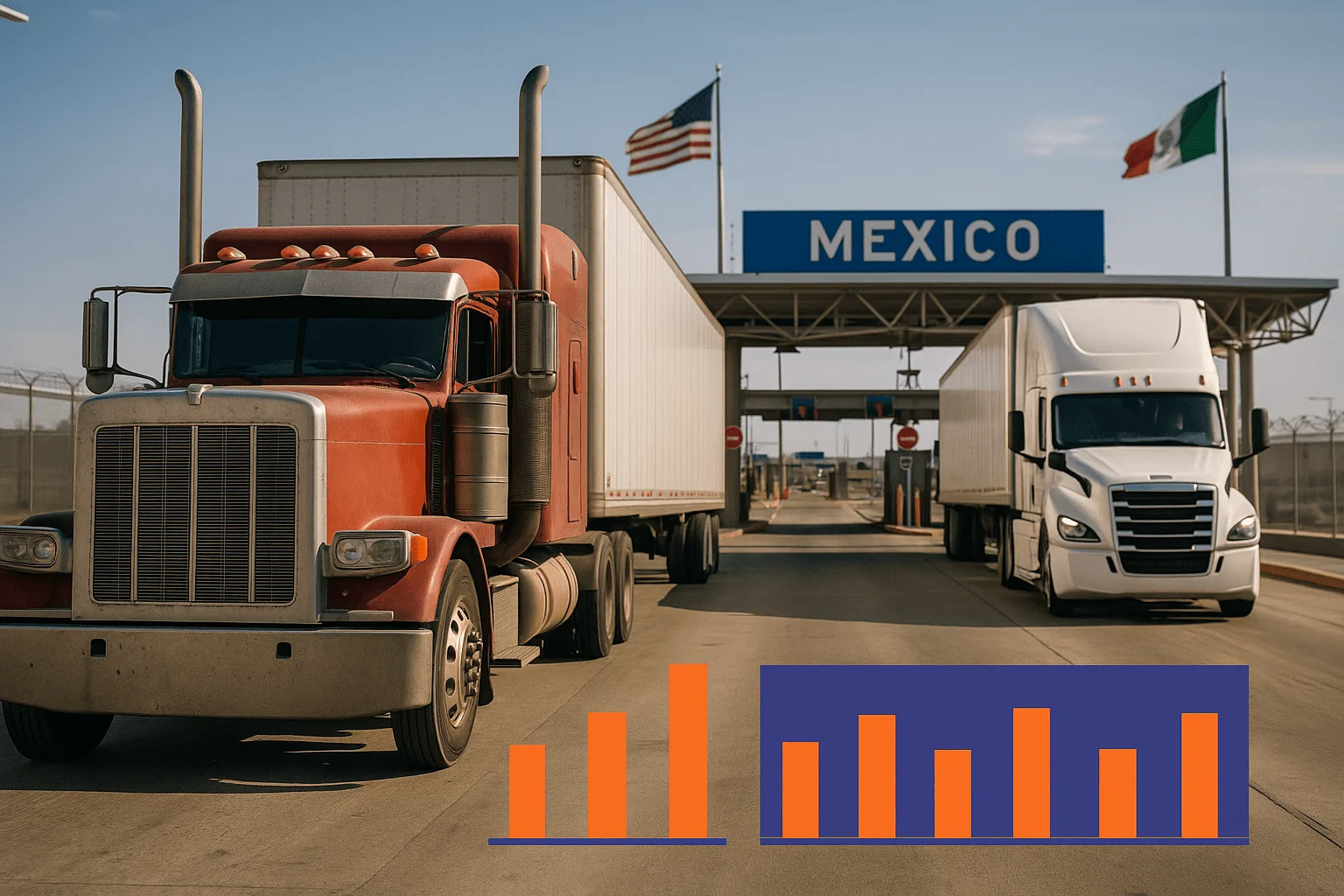
Mexico is not the central chapter in Nike's manufacturing story, but it is one of the most relevant countries for brands selling into the U.S. market. Nearshoring to Mexico offers significant advantages including shorter transit times, easier communication across time zones, reduced freight complexity, and potential tariff benefits depending on product classification and trade agreements like the USMCA.

For brands evaluating where to produce, Mexico deserves serious consideration, especially when speed to market, logistics efficiency, and tariff strategy are priorities.

Learn more about manufacturing in Mexico →

Quick Comparison: Key Manufacturing Countries

Country Why Brands Use It Best Fit Product Types Key Watchouts
Vietnam Scale, competitive costs, strong footwear ecosystem Footwear, athletic apparel, high-volume programs Tariff exposure, long transit to U.S.
China Deep supplier networks, technical capability, speed Complex products, prototyping, materials sourcing Tariff rates, geopolitical risk
Indonesia Experienced labor base, footwear specialization Athletic and lifestyle footwear Fewer apparel options than Vietnam
Cambodia Competitive labor costs, growing apparel sector Cut-and-sew apparel, basic garments Less developed infrastructure
India Large textile industry, cotton and knit expertise Cotton apparel, knits, woven goods Longer lead times, variable quality by region
Mexico Nearshoring, short transit to U.S., time zone alignment Apparel, accessories, goods for U.S. market Higher labor costs than Asia

Why Nike Manufactures in Multiple Countries

Nike does not spread production across dozens of countries by accident. The multi-country model is a deliberate strategy driven by several interconnected factors.

Capacity and scale. No single country or factory can absorb the full volume of a brand producing hundreds of millions of units per year. Spreading production ensures that capacity constraints in one location do not become bottlenecks.

Labor specialization by category. Different regions have developed expertise in different product types. A country with a deep footwear manufacturing tradition offers different advantages than one known for technical textiles or garment construction.

Access to materials and component ecosystems. Production is not just about assembly. It depends on proximity to raw materials, textile mills, trim suppliers, and component manufacturers. Countries with well-developed upstream supply chains offer faster turnaround and better quality control.

Freight and regional distribution. Manufacturing closer to key consumer markets reduces shipping costs and transit times, and helps brands respond faster to demand shifts. Understanding shipping terms is critical to making this work effectively.

Supplier redundancy and business continuity. If a factory closes or a port shuts down, a diversified network keeps the overall operation running. This principle is at the heart of switching suppliers without disrupting your supply chain.

Risk reduction tied to tariffs, geopolitics, and disruption. Trade policies shift. Tariff rates change. Brands that concentrate all production in one country expose themselves to sudden cost increases when conditions change. This is why tariff mitigation strategies matter for every importer.

Compliance and supplier oversight. Working with manufacturers across different regulatory environments forces brands to build robust auditing and vetting systems rather than relying on a single relationship.

What Brands Can Learn From Nike's Supplier Strategy

Most smaller brands cannot source exactly like Nike. They do not have the same volume, the same leverage, or the same internal sourcing teams. But the underlying principles behind Nike's approach are available to any brand willing to think strategically about supply-chain design.

One country is not a sourcing strategy. Relying entirely on a single manufacturing market leaves a brand exposed to disruptions, cost shifts, and policy changes that are completely outside its control. Explore country comparisons to understand your options.

One supplier is not enough for long-term scale. Even brands with modest production volumes benefit from having a backup plan and understanding what alternatives exist before they need them. Building long-term relationships with multiple suppliers is a smart investment.

Technical products need category-specific factories. A factory that makes great t-shirts may not be the right partner for performance outerwear or structured footwear. Matching factory capability to product type is one of the most important sourcing decisions a brand can make. This is where working with specialists in private label clothing, injection molding, or CNC manufacturing matters.

Material sourcing matters as much as assembly. Where your fabrics, trims, and components come from affects cost, quality, and lead time just as much as where the final product is assembled.

A good sourcing partner shortens the path to the right manufacturer. Navigating factory options, country-specific trade considerations, and supplier vetting takes time and expertise that most brands do not have in-house.

Importivity helps brands identify the right country and supplier type for their product, especially in markets like Vietnam, Mexico, and China.

Can You Manufacture Products in the Same Countries Nike Uses?

Yes. Many brands manufacture products in the same countries where Nike produces, including Vietnam, China, Indonesia, Cambodia, and Mexico. That does not mean using Nike's exact factories, proprietary materials, or protected designs. It means that the same supplier ecosystems and manufacturing clusters that serve major global brands are also available to smaller and midsize companies.

The key is finding a manufacturer whose category expertise, minimum order quantity structure, quality systems, and communication style match your product and your stage of growth.

Importivity works with manufacturers that produce similar product categories, and in some cases with factories that also manufacture for globally recognized brands. The goal is not to replicate protected products. It is to help brands find high-fit manufacturing partners with the right capabilities, systems, and experience.

Supplier Oversight, Sustainability, and Compliance

Nike publicly emphasizes supplier oversight, factory disclosure, code-of-conduct expectations, and sustainability reporting. For the broader industry, the lesson is that country selection is only part of the sourcing equation. The more important question is whether a specific factory can meet your standards for quality, documentation, labor expectations, and traceability.

Factory audits, environmental reporting, and forced labor compliance are not optional extras. They are fundamental to building a supply chain that holds up under scrutiny from customers, regulators, and retail partners. Brands should evaluate the specific factory, product category, raw material flow, and documentation process. Sourcing ethically and sustainably should be built into the sourcing decision from the start, along with sustainable packaging choices that reflect your brand values.

How Importivity Helps Brands Build Smarter Supply Chains

Importivity helps brands identify the right country and supplier type for their product based on category fit, target pricing, quality expectations, minimum order quantities, shipping strategy, and diversification goals. If you are trying to figure out whether your product belongs in Mexico, Vietnam, China, or another market, the right answer usually depends on the specifics of the product rather than a generic industry trend.

Whether you are sourcing apparel, footwear, accessories, or hard goods, the process starts with understanding your product requirements and matching them to the right factory capabilities.

Final Takeaway

Nike's supply chain is not built around one "best" country. It is built around diversification, specialization, and supplier fit. That is the real lesson for growing brands. The goal is not to copy Nike's exact setup. The goal is to apply the same sourcing logic at your own scale: match your product to the right factory type, spread risk across multiple suppliers and countries where it makes sense, and build a supply chain that can adapt when conditions change.

Manufacturing footprints change over time. Readers should consult Nike's Manufacturing Map for the latest disclosed facility information.

Frequently Asked Questions

Where are Nike shoes made?

Nike shoes are made through a network of independent contract manufacturers across multiple countries rather than in one single location. Major footwear manufacturing hubs include Vietnam, China, and Indonesia, with Vietnam accounting for the largest share. Nike publicly discloses factory locations through its Manufacturing Map.

Where is Nike apparel made?

Nike apparel is made through contract manufacturers in multiple countries. The exact country mix varies by product category, season, and supplier relationships. Vietnam, China, and Cambodia are among the most significant apparel manufacturing markets for Nike, which is one reason the company maintains a diversified sourcing model.

Does Nike own its factories?

No. Nike works with independent contract manufacturers rather than operating company-owned factories. This contract manufacturing model gives Nike flexibility to scale production, shift between suppliers, and manage costs without the capital requirements of owning production facilities.

Why does Nike manufacture in different countries?

Nike manufactures in different countries to balance scale, product specialization, supplier capability, risk management, and supply-chain resilience. Diversifying production helps reduce overreliance on any single country and provides flexibility when tariff conditions, labor markets, or logistics costs shift.

Can small brands manufacture in the same countries Nike uses?

Yes, many smaller brands can manufacture in the same countries Nike uses, although not with Nike's proprietary designs or materials. The key is finding a factory that fits your product category, quality expectations, minimum order quantity, and growth stage. A sourcing partner like Importivity can help identify the right manufacturer for your specific needs.

What can brands learn from Nike's sourcing strategy?

The biggest lesson is that serious brands do not rely on one country or one supplier. They build supply chains around capability, diversification, and long-term fit rather than choosing a factory based solely on the lowest quoted price.

Trying to figure out the right country and supplier type for your product?

Importivity helps brands source products through vetted manufacturing networks in markets like Vietnam, China, and Mexico.

Explore Product Sourcing Services

Category

Post Production Credits

Table of Contents

More To Explore

If you are wondering where Nike makes shoes and apparel, the short answer is that Nike uses a global network of independent contract manufacturers across multiple manufacturing hubs, with countries like Vietnam, China, and Indonesia historically playing major roles. That strategy is not just about cost. It is about specialization, scale, resilience, and avoiding overreliance on any single country. For growing brands, that may be the most important lesson of all.

The Short Answer: Nike Uses Hundreds of Manufacturers Around the World

Nike does not own its factories. Instead, it contracts with independent manufacturers to produce footwear, apparel, and equipment across dozens of countries. According to Nike's public filings, the company works with roughly 660-plus factories employing over 1.2 million workers across approximately 35 countries.

For footwear, Nike works with around 15 independent manufacturers operating nearly 100 factories in 11 countries. Apparel production is even more spread out, with more than 60 manufacturers operating over 300 factories in 33 countries.

The exact distribution changes over time based on demand, supplier relationships, cost considerations, and tariff conditions. Nike publicly discloses factory locations through its Manufacturing Map, which is updated regularly.

Nike's Manufacturing Model: Why Nike Does Not Use Just One Factory or One Country

Nike operates on a contract manufacturing model. The company designs and develops products in-house but relies on specialist third-party manufacturers to actually produce them. Nike does not own a single production facility.

This approach is intentional. Different factories bring different strengths in footwear construction, cut-and-sew apparel, technical outerwear, and textile production. A factory that excels at high-volume athletic footwear may not be the right fit for performance outerwear. By working with a broad network of manufacturers, Nike can match each product type to the factory best equipped to produce it.

This model also supports diversification. When production is spread across multiple countries, a disruption in one region does not shut down the entire operation. That kind of resilience is relevant for brands building resilient supplier networks at every size.

Importivity works with factories that manufacture similar categories, and in some cases with manufacturers that also produce for globally recognized brands. The point is not to make knockoffs. It is that experienced factories with proven quality systems and stronger process discipline offer a faster path to quality and consistency for brands building their own products.

What Countries Does Nike Manufacture In?

Nike's production network spans multiple countries, and the exact mix changes based on season, product line, and trade conditions. Based on Nike's fiscal year reporting, the company's most significant manufacturing hubs have consistently included Vietnam, China, and Indonesia, with other countries playing meaningful roles in apparel, materials, and regional production.

Vietnam

Vietnam is Nike's single largest manufacturing country. Vietnamese factories account for roughly half of all Nike footwear production and a significant share of apparel output. The country has built a strong manufacturing ecosystem around footwear and garment production, supported by competitive labor costs, government incentives for foreign manufacturers, and well-developed port infrastructure.

For brands exploring their own sourcing options, Vietnam is increasingly attractive not just because of scale but because of the depth of the supplier ecosystem. It is a strong fit for brands looking to diversify away from overreliance on any single market.

Learn more about manufacturing in Vietnam →

China

China's share of Nike's footwear production has declined over the past decade, but it remains a critically important manufacturing partner. Chinese factories are concentrated in provinces like Guangdong, Fujian, and Jiangsu, which are well-established hubs for technically complex and high-specification production.

China's value to Nike is not just about assembly. It is about deep supplier ecosystems, access to advanced materials, speed of prototyping, and the technical capability to handle sophisticated product lines. Many brands keep China in their sourcing mix specifically for these reasons, even as they diversify other production elsewhere.

Learn more about manufacturing in China →

Understand how tariffs affect sourcing from China →

Indonesia

Indonesia has long been one of Nike's top three manufacturing countries, particularly for footwear. Indonesian factories, many concentrated on Java, have deep experience producing athletic and lifestyle footwear at scale. Indonesia contributes to Nike's supply-chain resilience through a stable labor base and established production expertise.

Cambodia

Cambodia plays a meaningful role in Nike's apparel production. Cambodian factories account for a notable share of the company's clothing output. The country is a common destination for cut-and-sew apparel and is often part of broader regional diversification strategies in Southeast Asia.

India

India is relevant to Nike's network primarily through textiles, cotton-based products, and certain specialty garment categories. While India may not be the center of Nike's footwear story, its textile industry is one of the world's largest and supports a wide range of product types. For brands sourcing cotton apparel, knits, or woven goods, India is worth considering as part of a diversified strategy.

Mexico

Mexico is not the central chapter in Nike's manufacturing story, but it is one of the most relevant countries for brands selling into the U.S. market. Nearshoring to Mexico offers significant advantages including shorter transit times, easier communication across time zones, reduced freight complexity, and potential tariff benefits depending on product classification and trade agreements like the USMCA.

For brands evaluating where to produce, Mexico deserves serious consideration, especially when speed to market, logistics efficiency, and tariff strategy are priorities.

Learn more about manufacturing in Mexico →

Quick Comparison: Key Manufacturing Countries

Country Why Brands Use It Best Fit Product Types Key Watchouts
Vietnam Scale, competitive costs, strong footwear ecosystem Footwear, athletic apparel, high-volume programs Tariff exposure, long transit to U.S.
China Deep supplier networks, technical capability, speed Complex products, prototyping, materials sourcing Tariff rates, geopolitical risk
Indonesia Experienced labor base, footwear specialization Athletic and lifestyle footwear Fewer apparel options than Vietnam
Cambodia Competitive labor costs, growing apparel sector Cut-and-sew apparel, basic garments Less developed infrastructure
India Large textile industry, cotton and knit expertise Cotton apparel, knits, woven goods Longer lead times, variable quality by region
Mexico Nearshoring, short transit to U.S., time zone alignment Apparel, accessories, goods for U.S. market Higher labor costs than Asia

Why Nike Manufactures in Multiple Countries

Nike does not spread production across dozens of countries by accident. The multi-country model is a deliberate strategy driven by several interconnected factors.

Capacity and scale. No single country or factory can absorb the full volume of a brand producing hundreds of millions of units per year. Spreading production ensures that capacity constraints in one location do not become bottlenecks.

Labor specialization by category. Different regions have developed expertise in different product types. A country with a deep footwear manufacturing tradition offers different advantages than one known for technical textiles or garment construction.

Access to materials and component ecosystems. Production is not just about assembly. It depends on proximity to raw materials, textile mills, trim suppliers, and component manufacturers. Countries with well-developed upstream supply chains offer faster turnaround and better quality control.

Freight and regional distribution. Manufacturing closer to key consumer markets reduces shipping costs and transit times, and helps brands respond faster to demand shifts. Understanding shipping terms is critical to making this work effectively.

Supplier redundancy and business continuity. If a factory closes or a port shuts down, a diversified network keeps the overall operation running. This principle is at the heart of switching suppliers without disrupting your supply chain.

Risk reduction tied to tariffs, geopolitics, and disruption. Trade policies shift. Tariff rates change. Brands that concentrate all production in one country expose themselves to sudden cost increases when conditions change. This is why tariff mitigation strategies matter for every importer.

Compliance and supplier oversight. Working with manufacturers across different regulatory environments forces brands to build robust auditing and vetting systems rather than relying on a single relationship.

What Brands Can Learn From Nike's Supplier Strategy

Most smaller brands cannot source exactly like Nike. They do not have the same volume, the same leverage, or the same internal sourcing teams. But the underlying principles behind Nike's approach are available to any brand willing to think strategically about supply-chain design.

One country is not a sourcing strategy. Relying entirely on a single manufacturing market leaves a brand exposed to disruptions, cost shifts, and policy changes that are completely outside its control. Explore country comparisons to understand your options.

One supplier is not enough for long-term scale. Even brands with modest production volumes benefit from having a backup plan and understanding what alternatives exist before they need them. Building long-term relationships with multiple suppliers is a smart investment.

Technical products need category-specific factories. A factory that makes great t-shirts may not be the right partner for performance outerwear or structured footwear. Matching factory capability to product type is one of the most important sourcing decisions a brand can make. This is where working with specialists in private label clothing, injection molding, or CNC manufacturing matters.

Material sourcing matters as much as assembly. Where your fabrics, trims, and components come from affects cost, quality, and lead time just as much as where the final product is assembled.

A good sourcing partner shortens the path to the right manufacturer. Navigating factory options, country-specific trade considerations, and supplier vetting takes time and expertise that most brands do not have in-house.

Importivity helps brands identify the right country and supplier type for their product, especially in markets like Vietnam, Mexico, and China.

Can You Manufacture Products in the Same Countries Nike Uses?

Yes. Many brands manufacture products in the same countries where Nike produces, including Vietnam, China, Indonesia, Cambodia, and Mexico. That does not mean using Nike's exact factories, proprietary materials, or protected designs. It means that the same supplier ecosystems and manufacturing clusters that serve major global brands are also available to smaller and midsize companies.

The key is finding a manufacturer whose category expertise, minimum order quantity structure, quality systems, and communication style match your product and your stage of growth.

Importivity works with manufacturers that produce similar product categories, and in some cases with factories that also manufacture for globally recognized brands. The goal is not to replicate protected products. It is to help brands find high-fit manufacturing partners with the right capabilities, systems, and experience.

Supplier Oversight, Sustainability, and Compliance

Nike publicly emphasizes supplier oversight, factory disclosure, code-of-conduct expectations, and sustainability reporting. For the broader industry, the lesson is that country selection is only part of the sourcing equation. The more important question is whether a specific factory can meet your standards for quality, documentation, labor expectations, and traceability.

Factory audits, environmental reporting, and forced labor compliance are not optional extras. They are fundamental to building a supply chain that holds up under scrutiny from customers, regulators, and retail partners. Brands should evaluate the specific factory, product category, raw material flow, and documentation process. Sourcing ethically and sustainably should be built into the sourcing decision from the start, along with sustainable packaging choices that reflect your brand values.

How Importivity Helps Brands Build Smarter Supply Chains

Importivity helps brands identify the right country and supplier type for their product based on category fit, target pricing, quality expectations, minimum order quantities, shipping strategy, and diversification goals. If you are trying to figure out whether your product belongs in Mexico, Vietnam, China, or another market, the right answer usually depends on the specifics of the product rather than a generic industry trend.

Whether you are sourcing apparel, footwear, accessories, or hard goods, the process starts with understanding your product requirements and matching them to the right factory capabilities.

Final Takeaway

Nike's supply chain is not built around one "best" country. It is built around diversification, specialization, and supplier fit. That is the real lesson for growing brands. The goal is not to copy Nike's exact setup. The goal is to apply the same sourcing logic at your own scale: match your product to the right factory type, spread risk across multiple suppliers and countries where it makes sense, and build a supply chain that can adapt when conditions change.

Manufacturing footprints change over time. Readers should consult Nike's Manufacturing Map for the latest disclosed facility information.

Frequently Asked Questions

Where are Nike shoes made?

Nike shoes are made through a network of independent contract manufacturers across multiple countries rather than in one single location. Major footwear manufacturing hubs include Vietnam, China, and Indonesia, with Vietnam accounting for the largest share. Nike publicly discloses factory locations through its Manufacturing Map.

Where is Nike apparel made?

Nike apparel is made through contract manufacturers in multiple countries. The exact country mix varies by product category, season, and supplier relationships. Vietnam, China, and Cambodia are among the most significant apparel manufacturing markets for Nike, which is one reason the company maintains a diversified sourcing model.

Does Nike own its factories?

No. Nike works with independent contract manufacturers rather than operating company-owned factories. This contract manufacturing model gives Nike flexibility to scale production, shift between suppliers, and manage costs without the capital requirements of owning production facilities.

Why does Nike manufacture in different countries?

Nike manufactures in different countries to balance scale, product specialization, supplier capability, risk management, and supply-chain resilience. Diversifying production helps reduce overreliance on any single country and provides flexibility when tariff conditions, labor markets, or logistics costs shift.

Can small brands manufacture in the same countries Nike uses?

Yes, many smaller brands can manufacture in the same countries Nike uses, although not with Nike's proprietary designs or materials. The key is finding a factory that fits your product category, quality expectations, minimum order quantity, and growth stage. A sourcing partner like Importivity can help identify the right manufacturer for your specific needs.

What can brands learn from Nike's sourcing strategy?

The biggest lesson is that serious brands do not rely on one country or one supplier. They build supply chains around capability, diversification, and long-term fit rather than choosing a factory based solely on the lowest quoted price.

Trying to figure out the right country and supplier type for your product?

Importivity helps brands source products through vetted manufacturing networks in markets like Vietnam, China, and Mexico.

Explore Product Sourcing Services