








How do U.S. brands find overseas manufacturers? The fastest path is not just searching supplier websites. It is starting with a clear product brief, choosing the right countries, building a clean RFQ, and qualifying suppliers based on fit, not just price. Finding a factory is easy. Finding the right one is where most brands get it wrong. This guide walks through how U.S. brands can actually do that, step by step, without ending up with the wrong factory, a misread quote, or a product that does not match the sample. If you would rather skip the trial and error, our manufacturer sourcing team does this work daily.
Why Finding Overseas Manufacturers Is Easier Than Finding the Right One
Plenty of overseas factories will say yes to your project. A much smaller number will actually be the right fit.
That is the part most first-time buyers underestimate. The win is not collecting quotes. The win is finding a manufacturer who already makes products similar to yours, understands your category, and can talk through materials, tolerances, and packaging without guessing. Supplier discovery is the easy half of the work. Supplier fit is what protects the business.
If you only take one idea from this article, take that one. Everything below is built around it.
Step 1: Get Clear on What You Actually Need Manufactured
Before you contact a single supplier, get specific about the product.
Most poor supplier relationships start before any outreach happens. Buyers send vague descriptions, hope a factory can "figure it out," and then get frustrated when the quotes come back inconsistent or the samples miss the mark.
A few questions to answer first:
- What exactly is the product, in plain language a non-expert could understand?
- Is it fully custom, semi-custom, or closer to an off-the-shelf ODM or private label item?
- What are the key materials, finishes, dimensions, and tolerances?
- What does the packaging need to look like, and where does it ship to?
- What is your realistic target order quantity, both for the first run and for the next 12 months?
- What level of customization do you actually need, and what can you live without?
That last question matters more than people realize. Heavy customization usually means higher MOQs, more tooling, and longer lead times. If you do not need it, do not ask for it. Our guide on securing low MOQs covers how customization decisions affect minimum order quantities.
Step 2: Decide Which Countries Are Worth Targeting
You do not need to search every country. Start with the countries that best match your product type, cost target, and operational goals. For most U.S. brands, that shortlist usually looks something like this.
| Country | Best Fit For | Why It Matters |
|---|---|---|
| China | Consumer goods, plastics, hardware, electronics | Scale, supplier depth, broadest category coverage. Still the default starting point. |
| Vietnam | Apparel, furniture, select hardgoods | Strong for reducing China concentration without giving up too much on cost. |
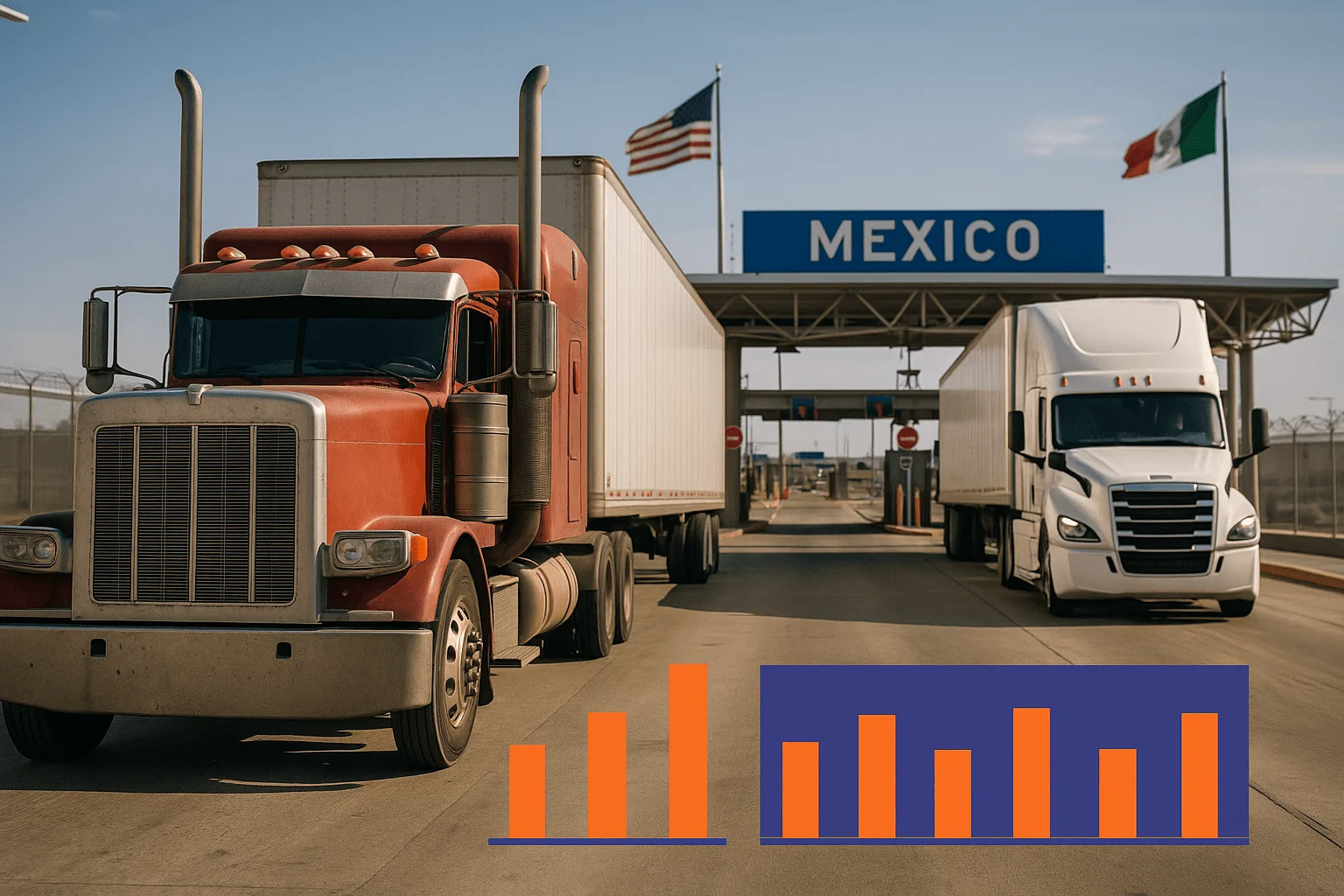
| Mexico | Logistics-sensitive products, automotive accessories | Nearshoring, shorter lead times, easier in-person factory visits. |
| India, Taiwan, Thailand, Turkey | Category-specific needs | Usually a second-layer decision, not a starting point. |
For direct country comparisons, see China vs Vietnam and Mexico vs China. Pick one or two countries to focus on first. Spreading outreach across five countries before you even have a clean RFQ is one of the most common ways to waste time.
Step 3: Build a Better RFQ Before You Contact Anyone
The quality of your quotes will match the quality of your RFQ. That is not an exaggeration.
A strong RFQ includes:
- Product description with enough context that a stranger could understand it
- Dimensions, weights, and key tolerances
- Materials, finishes, and any specific certifications or grades required
- Target volume for the first run and the next year
- Packaging requirements, including retail packaging, master cartons, and labeling
- Compliance needs for your target market (CPSC, FDA, Prop 65, FCC, and similar, depending on the product)
- Realistic timeline expectations
- Photos, sketches, reference products, drawings, or a BOM if you have them
If you do not have a structured way to put this together, use our RFQ template and BOM template. Both are built specifically for overseas sourcing in China, Vietnam, and Mexico, and they make it much harder for suppliers to send back quotes built on different assumptions.
A clean RFQ does three things at once: it filters out suppliers who do not really fit, it forces apples-to-apples quotes, and it signals that you are a serious buyer. All three of those matter.
Step 4: Where to Look for Overseas Manufacturers
Once your RFQ is in good shape, then it makes sense to start looking. There are six channels worth considering.
B2B Supplier Platforms
Alibaba, Made-in-China, Global Sources, and ThomasNet are the obvious starting points. Useful for discovery, especially if you are new to a category. The catch is that supplier visibility on these platforms reflects marketing spend more than manufacturing quality. The best factory for your product is not always on page one.
Trade Shows and Sourcing Fairs
The Canton Fair, Global Sources Summit, and category-specific fairs in Vietnam, Mexico, and the U.S. are excellent for narrowing a shortlist quickly. You can see samples, meet decision-makers, and read a supplier in person in a way that a Zoom call will not match.
Sourcing Companies
A good sourcing partner can shortcut a lot of this. The catch is that "sourcing company" is a wide term. Some are full-service firms with QC infrastructure on the ground. Others are essentially commissioned brokers. Pick carefully and ask how they get paid.
Industry Referrals
Often the best channel for buyers who already have a few overseas runs under their belt. A supplier referred by another brand in your category is usually a more honest signal than any platform ranking.
Direct Outreach
Sometimes useful, especially for niche components or specialized capabilities. Works best when you can identify factories through patents, certifications, or industry directories rather than cold guesses.
Reverse Sourcing
This is the one most first-time buyers have never heard of. Instead of searching for suppliers and hoping the right one shows up, you start with the product itself and trace it back to who actually makes it. Our reverse sourcing approach is built around that, and it tends to surface stronger factories than a surface-level platform search ever will.
The point: do not treat any one channel as the answer. Treat each as one input into a shortlist.
Step 5: Learn How to Spot Trading Companies, Intermediaries, and "Yes to Everything" Suppliers
Three patterns to watch for, especially on B2B platforms.
| Supplier Type | What to Watch For | Why It Matters |
|---|---|---|
| Trading companies | Source from real factories and add a margin | Not automatically bad, but you need to know when you are two layers from production |
| Intermediaries | Wide catalog across unrelated categories, stock photos used elsewhere | Usually not making the products in-house, regardless of how polished the website looks |
| Yes-to-everything suppliers | Agree quickly to every spec, MOQ, and timeline without pushback | Sign they have not actually thought through whether they can deliver |
The best suppliers ask hard questions early. A polished supplier profile is not the same as manufacturing fit. The questions you ask matter more than the website you see.
Step 6: Vet and Qualify Manufacturers Before You Get Attached to a Quote
Qualification is where most brands lose or save serious money. Run every shortlisted supplier through a checklist before you treat any quote as real.
A practical version:
- Do they already make products similar to yours, ideally for buyers in similar markets?
- Do they understand your specific category, or are they generalists trying to win the order?
- Can they discuss materials, processes, and tolerances clearly without dodging?
- Can they realistically support your MOQ today and your growth path over the next year or two?
- Do they ask smart questions, or do they just say yes?
- Do they understand packaging requirements and any compliance needs for the U.S. market?
- Do they have export experience to the U.S. specifically, including documentation and freight?
- Are their quotes built on the exact assumptions you put in your RFQ, or did they quietly change the spec?
The last one is critical. If two suppliers quote different prices on what you thought was the same spec, the cheaper one has almost always changed something. Find out what.
Vetting at this stage is not a paperwork exercise. A real factory evaluation means asking technical questions, reviewing past production, and ideally visiting the floor. Importivity has on-the-ground agents in China, Vietnam, and Mexico who can do this in person before you commit to a supplier. Learn more about our supplier vetting services.
Step 7: Compare Quotes the Right Way
The cheapest quote is often the least complete quote. That is not a slogan, it is what actually happens.
Read every quote for what is included and what is missing:
- Is tooling included, amortized, or quoted separately?
- Is packaging included, and at what level (poly bag, color box, master carton)?
- Are freight assumptions in the quote, or is it ex-works only?
- Is the MOQ the supplier's real MOQ, or a marketing number?
- Are sample costs charged, refundable, or waived above a certain order size?
- What lead time is quoted, and does it assume final approvals you have not given yet?
A quote that looks 18 percent cheaper often turns out to be 5 percent more expensive once you normalize it. Building a clean side-by-side comparison, using the same line items for every supplier, is one of the highest-leverage things you can do in this whole process. If tariffs are part of your landed cost math, our tariff mitigation strategies guide is worth a read.
Step 8: Sample, Inspect, and Validate Before Scaling
A good first sample is necessary, but it is not enough. Anyone can hand-make one good unit.
What you actually want to validate before placing a production order:
- Sample matches the spec, the materials, and the finish
- Packaging holds up to drop tests, transit, and any retail requirements
- Dimensions and tolerances are repeatable across multiple samples
- The product functions as expected through a full use cycle
- The supplier can explain how they will hold quality across thousands of units, not just one
This is also where early QC expectations get set. If your supplier resists inspections, third-party QC, or written quality criteria during sampling, that resistance does not get better at scale. It gets worse. For more complex products, rapid prototyping can bridge the gap between idea and production-ready sample.
Step 9: Prepare for the Real Work After You "Find" the Manufacturer
Finding the manufacturer is the easier half. Running production well is the harder half.
Once you have selected a supplier, the actual work begins:
- Tight communication during pre-production
- Sample revisions and golden sample approval
- QC plans, inspection levels, and AQL standards
- Packaging proofing and labeling sign-off
- Production timelines tied to real shipping dates, not factory promises
- In-process inspections, not just final inspections
- Freight coordination, customs, and delivery to your warehouse
- Repeatability across reorders, which is its own discipline
This is where weak sourcing decisions become expensive. A factory that seemed great in week one shows up differently when you are six weeks into production with revisions piling up. Plan for the execution phase before you commit, not after.
What Information U.S. Brands Should Have Ready Before Reaching Out
A quick checklist you can copy into a doc before your first supplier email goes out:
| Item | What It Includes |
|---|---|
| Product description | Plain-language explanation a non-expert could follow |
| Visuals | Product photos, sketches, or renders |
| Specs | Size, weight, and material requirements |
| Order quantity | First run and 12-month projection |
| Packaging | Unit, master carton, and labeling |
| Compliance | U.S. market requirements (CPSC, FDA, Prop 65, FCC) |
| Target price | If you have one, with a defensible range |
| Timeline | Realistic, with sample and production milestones |
| References | Competitor or comparable products |
| Documentation | BOM and RFQ, ideally both |
If you have all ten, your supplier conversations will move two to three times faster than they would otherwise.
The Best Product Categories to Use as Examples
A few common categories make this concrete:
- A custom plastic organizer where tooling cost, cavity count, and material grade drive most of the quote spread
- An apparel line with custom trims where fabric sourcing, trim suppliers, and MOQ per colorway shape the real cost
- A hardware accessory needing tolerances, where the difference between two suppliers is often in measurement discipline, not price
- A building-material component where packaging, palletization, and freight planning matter as much as unit cost
- An electronics accessory where compliance, certifications, and component sourcing are the real risks
- A general consumer good where finish quality, retail packaging, and unboxing experience separate strong suppliers from average ones
These are the categories where the gap between the right factory and the wrong factory shows up fastest.
Why Some of the Best Manufacturers Do Not Show Up in a Simple Search
There is a quiet truth in overseas sourcing: many of the strongest factories are not the most visible ones.
The best suppliers in a category often have full order books, long-standing relationships with major buyers, and no real reason to market aggressively. They do not need to be on the front page of a B2B platform. Surface-level search results tend to reward marketing budget, not manufacturing capability.
This is why network access, referrals, and reverse-sourcing methods consistently turn up better fits than open searches alone. If you keep finding the same five suppliers on every platform and they all feel slightly off, that is not your imagination. You are looking at the marketed tier, not necessarily the best-fit tier.
How Importivity Helps U.S. Brands Find and Qualify Overseas Manufacturers
Importivity helps brands move past random supplier searches by identifying better-fit manufacturers, structuring cleaner RFQs, comparing quotes properly, and qualifying suppliers before costly mistakes happen.
We work hands-on with U.S. brands sourcing from China, Vietnam, and Mexico, including direct factory visits, on-the-ground QC, and the kind of supplier vetting that does not scale through an email thread. If you are trying to find the right overseas manufacturer for your product, that is exactly what we do.
Explore More
Frequently Asked Questions
How do U.S. brands find overseas manufacturers?
U.S. brands usually find overseas manufacturers through supplier platforms, trade shows, referrals, sourcing companies, and reverse-sourcing methods. The more important step is qualifying whether the supplier is the right fit for the product, not just collecting more quotes.
What is the best way to vet an overseas manufacturer?
The best way is to evaluate product-category fit, communication quality, quote clarity, sample quality, export experience, and whether the supplier can meet the buyer's specific requirements, not just offer a low price. On-the-ground supplier vetting catches issues that email threads miss.
Should I use Alibaba to find overseas manufacturers?
It can be useful for discovery, but it should not be the only method. Some strong suppliers are found through referrals, sourcing partners, or reverse sourcing rather than a simple platform search. Platform visibility rewards marketing spend, not always manufacturing quality.
How do I know if a supplier is a real factory?
Ask detailed process questions, request information about similar products, review documentation and sample quality, and pay attention to whether the supplier can clearly explain production capabilities. Trading companies and intermediaries usually struggle when conversations get technical.
What should I prepare before contacting an overseas manufacturer?
Prepare a clear RFQ, product specs, quantity expectations, packaging details, reference images, and any compliance or technical requirements. Our RFQ template and BOM template are built for exactly this purpose. A clean brief filters out poor-fit suppliers fast.
How many countries should I source from at once?
Start with one or two. Spreading outreach across five countries before you have a clean RFQ is one of the most common ways to waste time. Pick the country that best fits your product type, then expand only if diversification, tariffs, or capacity require it.
Can Importivity help me find overseas manufacturers?
Yes. Importivity helps brands identify, vet, and qualify overseas manufacturers based on product type, sourcing goals, and production fit, including direct factory visits and hands-on QC oversight. Book a free discovery call to get started.
Ready to Find the Right Overseas Manufacturer for Your Product?
Importivity helps U.S. brands identify, vet, and qualify the right factory in China, Vietnam, and Mexico, with on-the-ground support at every step.
Book a Discovery Call