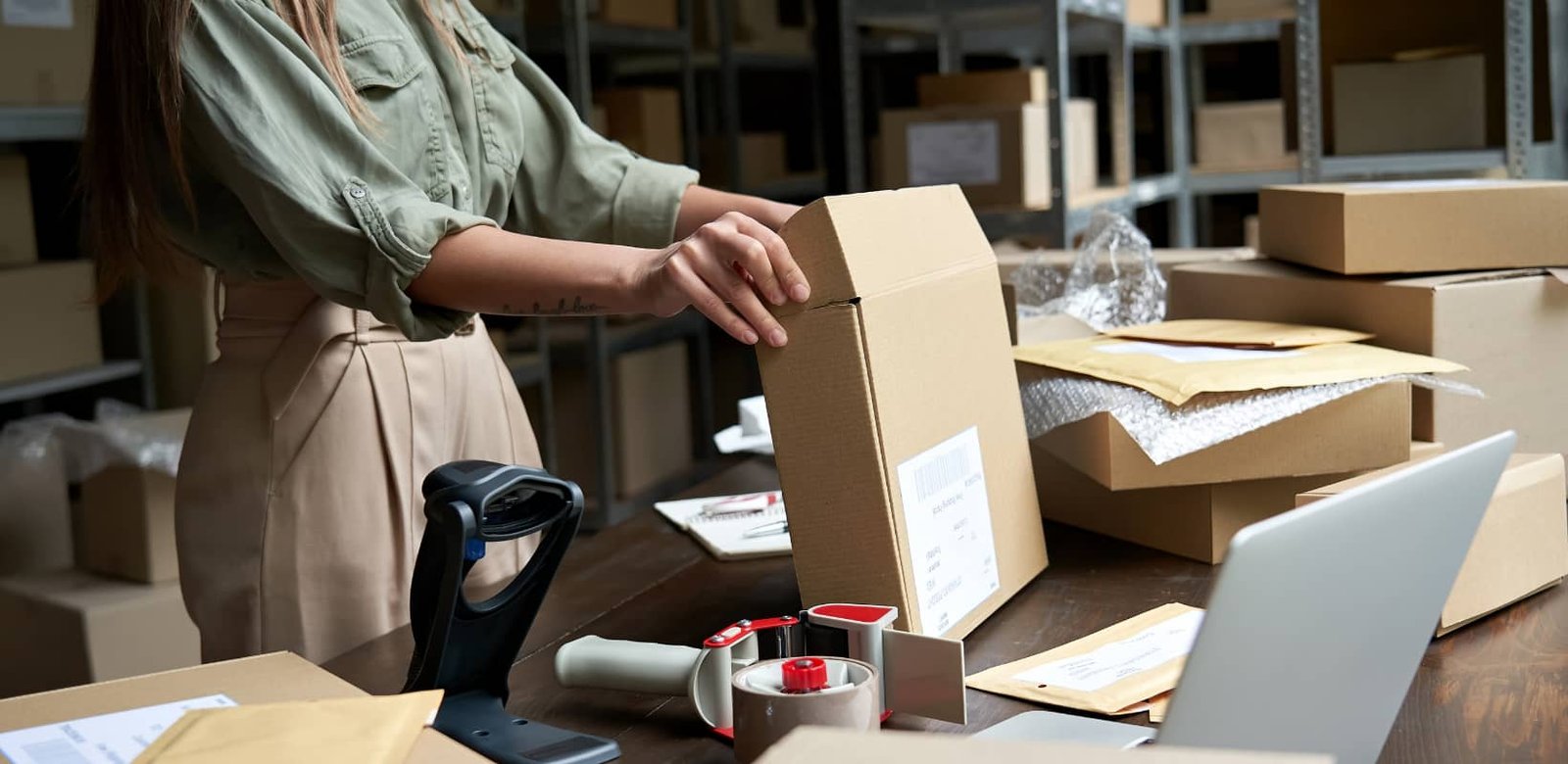







Every business dreams of moving products from the factory floor to a customer’s front door without delays, confusion, or unexpected costs. The truth is, it is possible when companies focus on streamlined logistics solutions. Whether you run a growing e-commerce store or manage a multinational operation, improving logistics can make or break customer trust.
We are talking about more than packages on trucks. It is about managing the entire end-to-end supply chain. From sourcing raw materials to shipping out finished goods, smooth logistics create reliability. Customers do not just receive a box. They experience your brand’s promise delivered on time.
The Core Challenges in Factory-to-Consumer Logistics
- Before we explore solutions, let’s talk about common obstacles that slow businesses down:
- Multiple Handovers: Goods pass through suppliers, warehouses, carriers, and customs. Each step creates room for errors.
- Lack of Visibility: If a customer asks where their order is, vague answers erode trust.
- Global Complexities: Different countries mean different rules, taxes, and shipping delays.
- Outdated Tools: Manual spreadsheets cannot keep up with the speed of modern trade.
These hurdles often cause missed deadlines, rising costs, and stressed customer service teams. This is where smart logistics automation tools step in.
Building End-to-End Supply Chain Clarity
Think of logistics like a relay race. Success depends on smooth handovers. The baton must move from one runner to the next without dropping.
- For businesses, this means:
- Centralized Data: A single platform that tracks orders, inventory, and shipping status.
- Real-Time Tracking: Customers can see their package’s journey, building confidence.
- Integrated Systems: Warehouse, transport, and sales platforms should talk to each other.
When every step is visible, bottlenecks are easier to fix. Customers feel reassured because they do not need to chase answers.
Optimizing Global Shipping Without Headaches
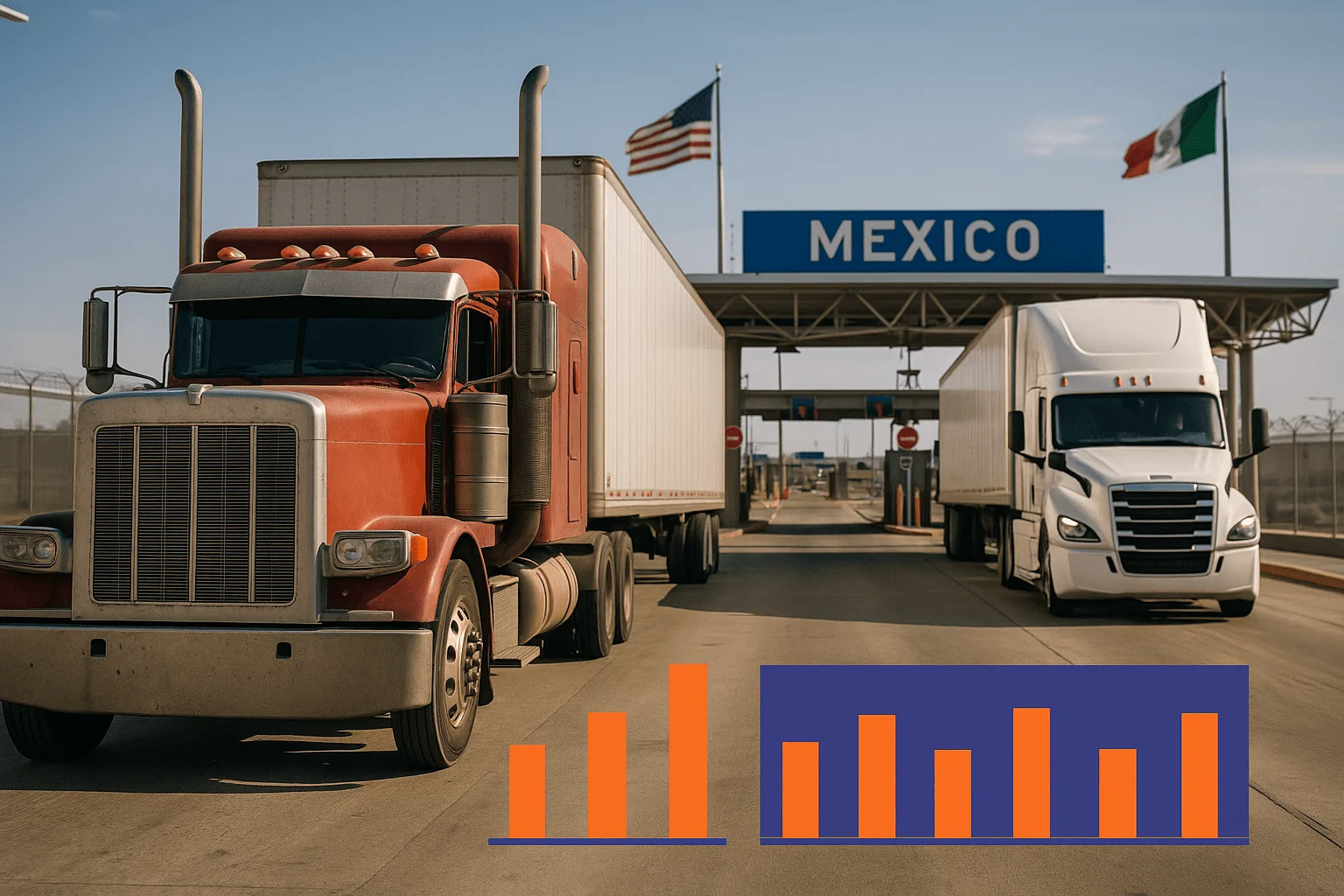
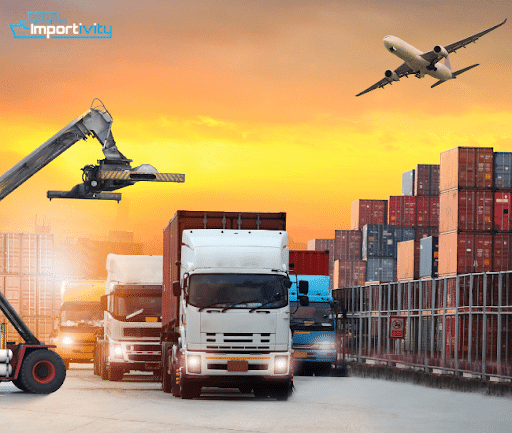
International trade is rewarding, but it can feel like solving a puzzle. Delays at customs, surprise tariffs, and paperwork mistakes often frustrate businesses.
- Companies that optimize global shipping focus on three things:
- Clear Documentation: Ensuring invoices, tariffs, and compliance forms are correct.
- Reliable Partners: Working with carriers who know local rules reduces delays.
- Smart Routing: Choosing transport methods that balance cost and speed.
A small mistake in shipping can turn into a major cost. For example, an online retailer who mislabeled customs paperwork ended up with two weeks of delivery delays. After adopting digital shipping software, they cut errors by 70 percent.
Why Logistics Automation Tools Change Everything
Imagine running logistics without constant phone calls or emails. Logistics automation tools handle repetitive work like scheduling, routing, and tracking.
- Some benefits include:
- Reduced Errors: Systems auto-fill shipping data and update inventory.
- Faster Decisions: AI-driven analytics suggest better routes and carriers.
- Customer Satisfaction: Automated updates keep buyers informed in real time.
Automation is not about replacing people. It is about letting teams focus on strategy while machines handle repetitive tasks.
Manual Logistics vs Streamlined Logistics Solutions
Aspect | Manual Process | Streamlined Logistics Solutions |
Order Tracking | Phone calls, emails, and guesswork | Real-time tracking with automation tools |
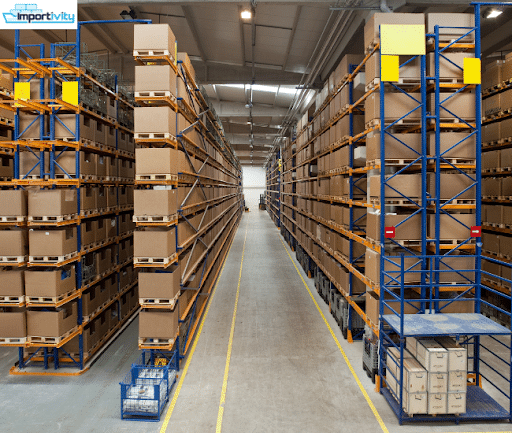
Inventory Management | Spreadsheets and delays | Integrated warehouse and sales systems |
Shipping Errors | High risk with manual entry | Automated forms reduce mistakes |
Global Compliance | Confusing paperwork | Pre-checked digital documents |
Customer Experience | Unclear delivery times | Transparent updates from factory to consumer |
Factory to Consumer Logistics in Action
Let’s bring this to life with a simple example.
A skincare brand based in South Korea ships products to customers in the United States. Without a clear system, they face customs delays, misrouted packages, and unanswered customer emails.
After adopting streamlined logistics solutions, the brand connects its warehouse to its sales platform. Orders flow automatically to shipping partners, customs documents are pre-verified, and customers get instant delivery updates.
Instead of waiting weeks, buyers receive their skincare products in days. That reliability creates repeat business.
End-to-End Supply Chain as a Growth Driver
A well-managed end-to-end supply chain is not just about efficiency. It drives growth:
- Lower Costs: Fewer delays mean less money lost to storage or penalty fees.
- Happier Customers: On-time deliveries increase positive reviews and referrals.
- Scalable Systems: As business grows, systems scale without chaos.
For example, companies using automation report saving up to 25 percent on overall logistics costs.
Practical Tips to Streamline Logistics Solutions
- Here are the steps any business can start with today:
- Map the Current Process: Document every step from factory to consumer.
- Identify Pain Points: Look for repeated delays, errors, or costs.
- Choose the Right Tools: Test logistics automation tools that fit your scale.
- Train Teams: Systems are only as good as the people using them.
- Monitor and Adjust: Use data to refine processes every quarter.
Logistics is not static. Adapting ensures you stay ahead of challenges.
Ready to Transform Your Logistics?
At Importivity, we believe logistics should be simple, transparent, and efficient from the factory floor to your customer’s front door. With the right strategy and automation, your business can cut costs, avoid delays, and delight customers every single time.
Take the next step toward smarter logistics today. Contact Importivity and see how our streamlined logistics solutions can make a difference for your business.
frequently asked questions
What does streamline logistics solutions mean?
It refers to improving the flow of goods and information so that products move faster and with fewer errors.
How does automation help logistics?
Automation reduces human error, speeds up decisions, and provides real-time tracking for customers and managers.
Can small businesses use logistics automation tools?
Yes, many tools are affordable and designed for small and medium-sized companies.
What is the benefit of an end-to-end supply chain system?
It connects every step, from raw materials to customer delivery, ensuring smooth handovers and better visibility.
How do businesses optimize global shipping?
By ensuring accurate paperwork, choosing experienced carriers, and using digital tools to avoid customs delays.