














Here is the short version, up front. Roofing contractors who source materials direct through Importivity save an average of 31% versus their local supply house wholesale price. That number comes from one thing: we pool buying volume across roofing companies nationwide to unlock factory-direct, container-level pricing, then let each contractor commit to only a fraction of that volume.
The savings is real, but it is not free. You buy it with three tradeoffs: no net terms, a 6 to 8 week lead time, and the need to take and store inventory.
So the rest of this article does two things. It breaks down exactly how the model works and where the 31% actually comes from, and it tells you honestly whether your business is a fit or not. If you run job to job on supplier credit, this probably is not for you, and we will say so. If you can plan ahead and float working capital, the math is hard to ignore.
The Price You Call Wholesale Is Not the Floor
Most contractors treat their supply house wholesale price as the bottom of the market. It is not the bottom. It is the price after several companies have each taken a margin.
Walk a typical roofing product backward from your will-call counter to the factory and you find a stack of markups. The factory makes the product. An importer or brand owner buys it, puts a label on it, and adds margin. A national distributor warehouses it and adds margin. Your regional or local supply house stocks it and adds margin. You pay what you call wholesale.
Here is the part that surprises people: a large share of common roofing materials are already manufactured overseas. Synthetic underlayment, metal coil and panel, fasteners, drip edge, vents, and many accessory lines are frequently made in the same factories that supply the brands you already buy. In a lot of cases you are not choosing between domestic and imported product. You are already buying imported product, just with three or four margins stacked on top of it.
Sourcing direct does not invent a cheaper product out of nowhere. It removes layers from a product that was often already crossing an ocean to reach you. Understanding where hidden costs sit in your supply chain is the first step to knowing whether you are overpaying.
How We Found the Factories (and Why That Matters)
Finding a Chinese factory is easy. Anyone with an internet connection can pull up a thousand of them in an afternoon. Finding the right one is the entire job, and it is the part most people get wrong.
We did not source these relationships through trading companies or online marketplaces. We narrowed a wide field of manufacturers down to a short list, then visited each one in person. We walked the floors, audited their capability and their consistency run to run, checked their quality systems, and built direct, long-term relationships with the factories that earned it.
That matters for two reasons. First, a direct factory relationship is what makes pricing repeatable instead of a one-time deal. Second, it is what makes quality repeatable, which on code-regulated roofing products is not optional. You can find a low price from a factory you have never met. What you cannot do is trust it three orders later. The relationship is the product.
You can read more about how we vet and inspect factories if you want the detail, but the short version is that we treat the factory audit as the real work and the price as the reward for doing it right. Our factory visit checklist gives you a sense of what that process looks like.
What We Look for in a Roofing Materials Factory
When we evaluate a factory for a roofing line, we are checking four things.
Capacity. Can they reliably produce at the volume our pooled clients need, on schedule, without cutting corners when the order is large?
Consistency. Does run number ten match run number one? Roofing product that drifts in thickness, coating weight, or dimension is worthless no matter how cheap it is. This is why pre-shipment quality control is non-negotiable for every order.
Certifications. Can they produce and document the relevant ASTM test results, UL fire and wind ratings, and code approvals that the product needs to be legal and warrantable on a roof? For synthetic underlayment specifically, the industry standard is ASTM D8257, which replaced older felt-based standards that were never designed for synthetic products.
Track record. Have they exported to North American buyers before, and can they handle the documentation, testing, and quality expectations that come with that?
A factory that misses on any one of those gets cut, regardless of price.
How the Group Buying Model Actually Works
This is the part that makes direct pricing possible for a contractor who is not a national chain.
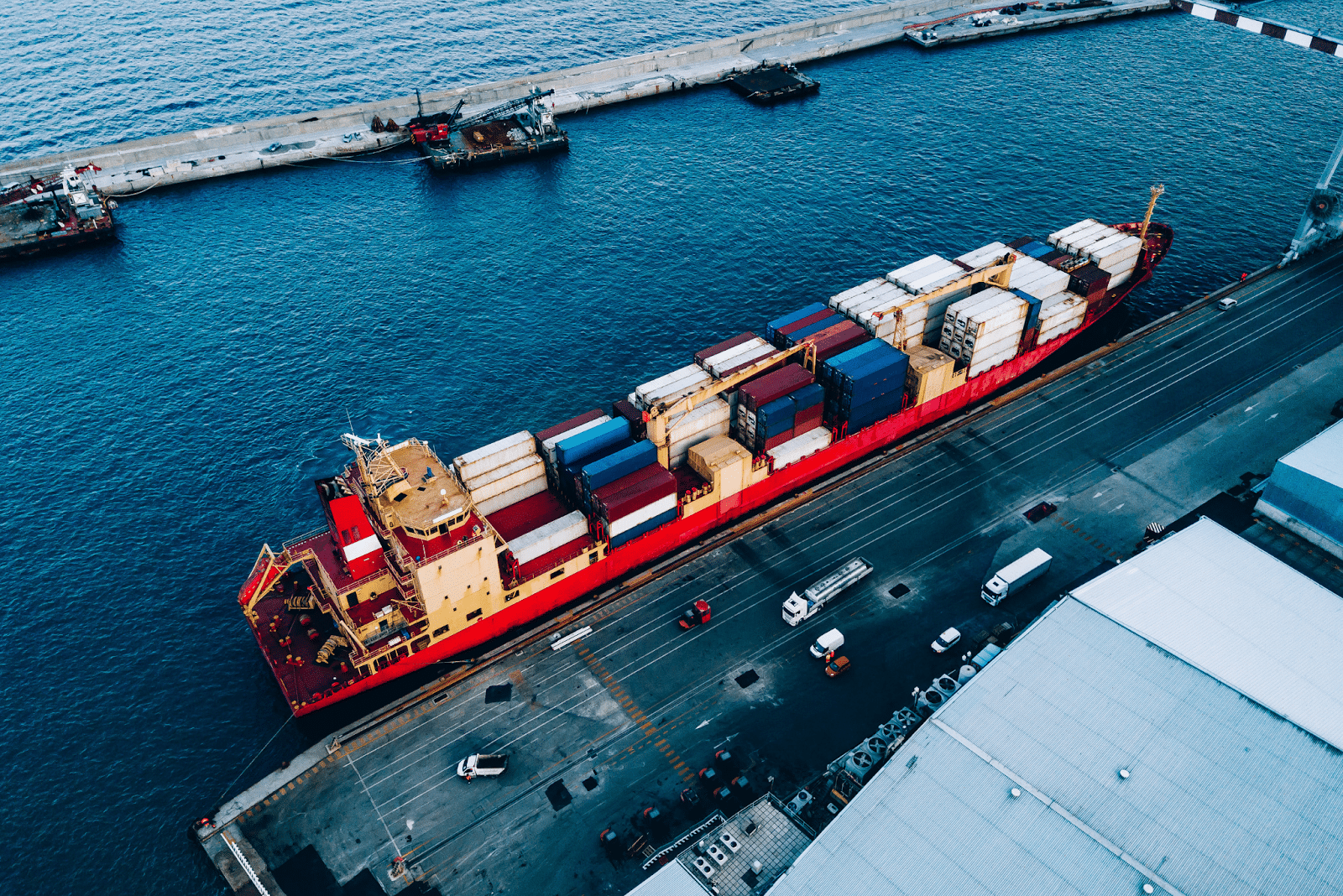
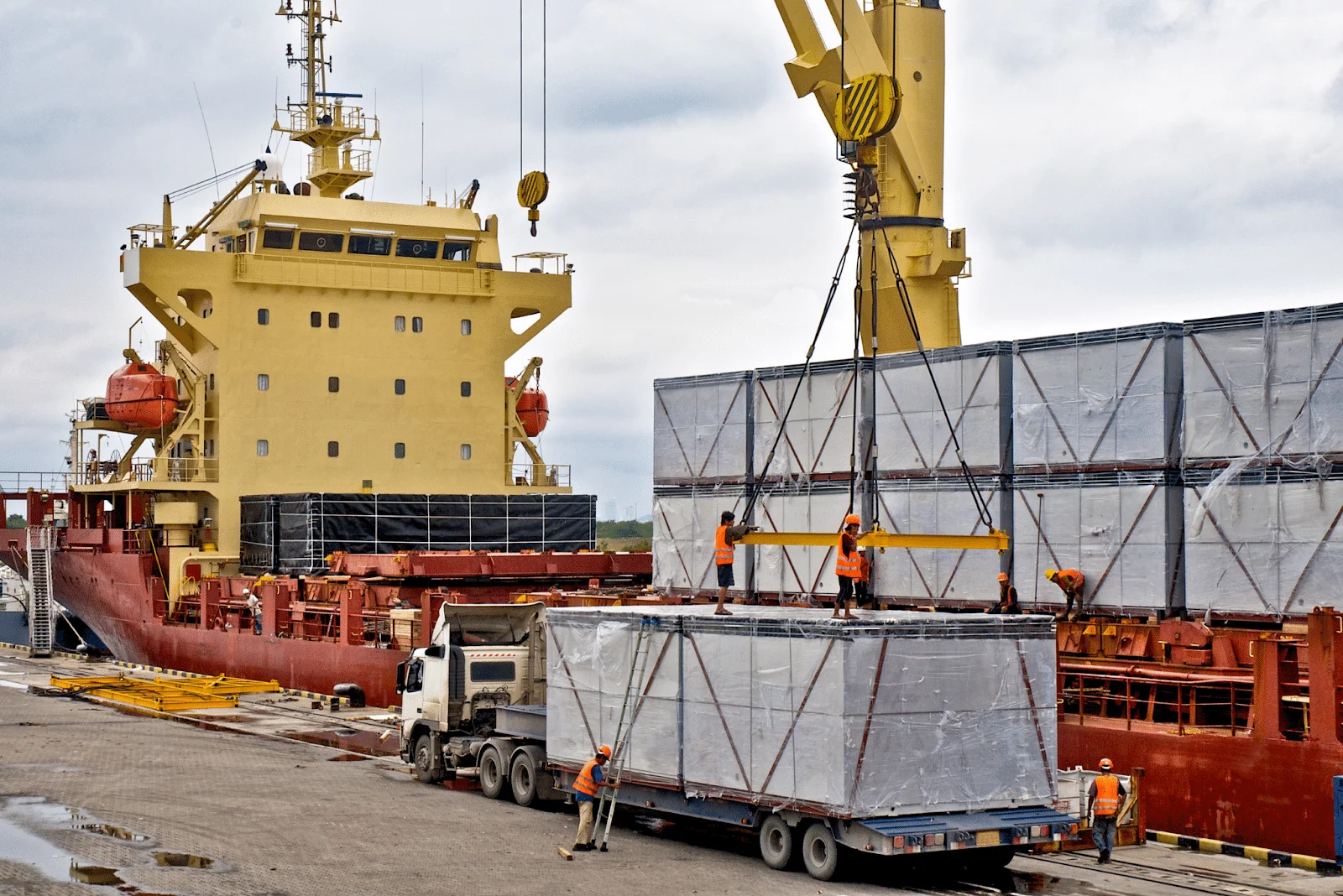
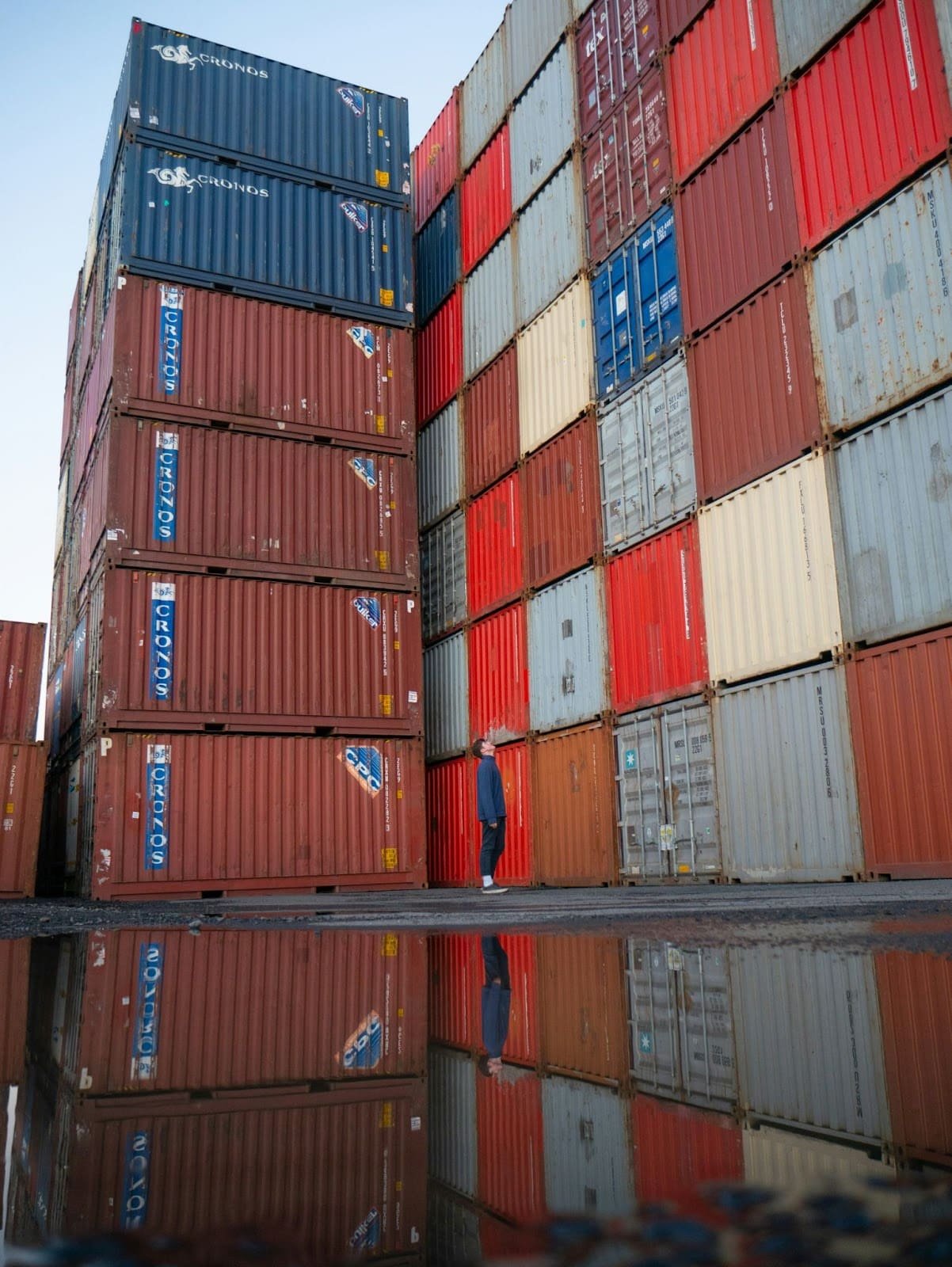
Start with the basic problem. Factory-direct pricing usually kicks in at full-container quantities. A shipping container, the standard 20 or 40 foot steel box that ocean freight moves in, holds a lot of product. A single mid-size roofer almost never needs five containers of any one item, so on their own they never qualify for container pricing. They are stuck buying through the layers above.
The group model solves that by aggregating demand. We combine the volume of many roofing companies across the country into one large factory order, then let each contractor commit to only their slice of it while still getting the per-unit price of the full buy.
A simplified example with round numbers: say a factory's best price on synthetic underlayment requires a 5,000 roll order. One roofer might use 1,000 rolls a year, nowhere near the minimum, so alone they would pay small-order or distributor pricing. We pool five roofers who each need about 1,000 rolls, place one 5,000 roll order, and each contractor commits to only their 1,000 rolls. Every one of them pays the per-roll price of a 5,000 roll buy.
That is the whole mechanism. You are not buying a container. You are buying container pricing on a partial commitment, because your volume is combined with everyone else's.
Where the 31% Actually Comes From
The 31% is not a slogan, and it is not magic. It is the sum of four specific things.
Removed distributor and supply house margin. Cutting two or three layers out of the markup stack is the single biggest piece.
Direct factory pricing. Buying from the source, not a reseller of the source. Working directly with Chinese manufacturers who have deep expertise in roofing accessory production.
Volume aggregation. Pooled demand unlocks the container-level per-unit price you could not reach alone.
True landed cost transparency. We compare the all-in delivered cost, not a misleading sticker price. Landed cost is the total cost of the product delivered to you, including the factory price, ocean freight, duties, and tariffs. We include all of that in the comparison. Freight and tariffs are not hidden in the fine print and then sprung on you later. They are in the number. You can see exactly how that math works in our landed cost and import duties guide.
One honest caveat, and we hold to it everywhere: 31% is an average against local supply house wholesale, not a guarantee and not a universal number. It varies by material, by your current pricing, and by market conditions. On some items the gap is wider. On a few it is narrower. The only way to know your number is to run a real comparison on a real material.
Importivity's model is built on full cost transparency. You see the factory price, our fee, freight, and duties as separate line items. No black box. No back-end deals with the factory. The 31% average savings exists because we remove markup layers and aggregate volume, not because we hide costs somewhere else. Learn why transparent budgeting matters.
The Objections, Head On
If this were free money, every roofer in the country would already be doing it. They are not, and that is the honest part. The savings exists precisely because you take on three things your supply house normally absorbs for you.
No Net Terms
Net terms, like net 30 or net 60, means your supplier hands you materials now and lets you pay the invoice 30 or 60 days later. It is short-term credit, and a lot of roofing operations run on it.
Direct sourcing does not work that way. You pay up front, because the factory and the freight do not extend you a tab. The honest way to think about this is as a working capital decision. You are effectively financing the discount with your own cash for the length of the lead time. For many contractors, a 31% return on that cash beats almost anything else they could do with it, which makes paying up front an easy yes. For guidance on structuring payment conversations with overseas suppliers, see our article on negotiating payment terms.
But be honest with yourself. If you depend on supplier credit to stay liquid week to week, paying up front is a real barrier, not a mindset problem. For you, this may not fit right now, and that is a legitimate answer.
The 6 to 8 Week Lead Time
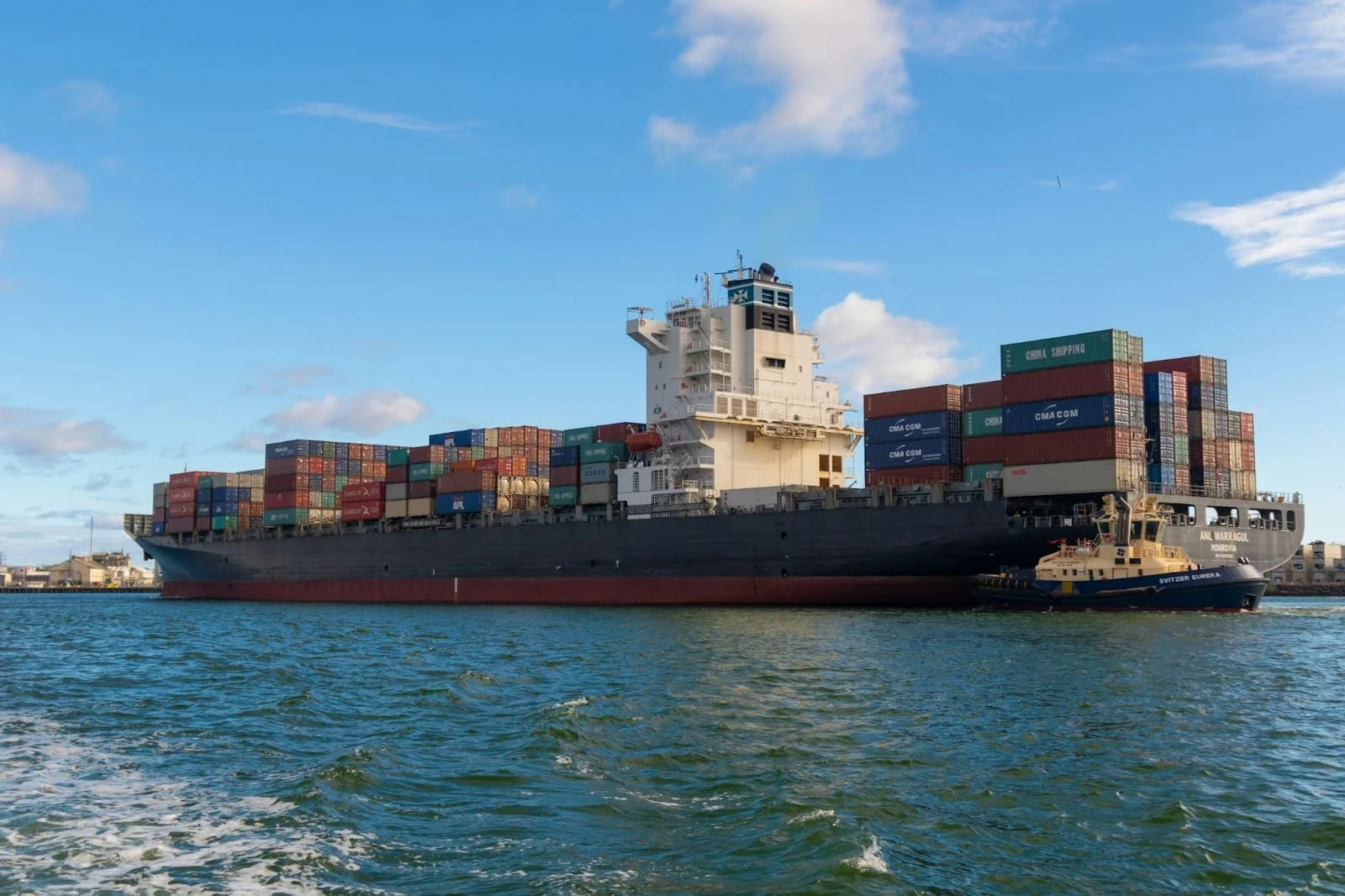
Direct means production time plus ocean freight, which typically runs 6 to 8 weeks from order to final delivery. There is no way around the Pacific Ocean. For context on what that shipping timeline looks like, see our guide to freight and logistics coordination.
That makes this a tool for planned buying, not reactive buying. It works for the materials you can forecast: your steady underlayment, your standard fasteners and accessories, the panel or shingle line you run on most jobs. It does not work for an emergency or a same-week need.
The good news is that most established roofers already forecast a meaningful share of their annual volume, even if they have never thought of it that way. The base load of materials you know you will use is exactly what this is for.
Storing the Goods
When the container lands, the materials are yours, and you need somewhere to put them. A yard, a warehouse, or a shop works. A truck and a job site do not.
This is a genuine cost and a genuine constraint, so weigh it plainly. If you already have storage, the carrying cost is close to nothing and the savings flow straight to your margin. If you have no space at all, you either solve that or this is not your year for it. Do not hand-wave the storage question. It decides fit for a lot of contractors.
When Sourcing Direct Makes Sense
Run yourself through this checklist. If you can check most of these boxes, the math is probably in your favor.
You have predictable or forecastable volume on at least a few core materials. You have access to working capital, or you are willing to finance the buy to capture the discount. You have somewhere to store inventory: a yard, a warehouse, or a shop. You plan on a horizon longer than a week, so a 6 to 8 week lead time fits your buying cycle.
This tends to describe established residential roofers with steady volume, regional operators, and multifamily or commercial contractors who plan material needs ahead of the job. If that is you, the savings is real and repeatable.
When It Does Not Make Sense (and We Will Tell You So)
This is the most important section in the article, so we are not going to soften it.
Direct sourcing is the wrong move for you if you run job to job with no forecast, buying only what the next roof needs. If you rely entirely on supplier net terms to stay liquid. If you have no storage and no realistic way to get it. If you need material this week, regularly, for reactive or emergency work. Or if your total volume is too small for the savings to clear the time and effort involved.
If that describes your business, your local supply house is the right answer for now, full stop. Their next-day will-call, their credit line, and their stock on the shelf are genuinely valuable, and for a reactive operation they are worth more than a 31% discount you cannot actually use.
We would rather tell you it is not a fit than sell you a bad one. A contractor who buys direct when their business is not built for it ends up with cash tied up in inventory they cannot move and a lead time that does not match their work. That is a worse outcome than paying supply house wholesale, and it is not what we want for you.
The cheapest option is not always the best option. We hold that line for our own model too. If your operation depends on speed, credit, and flexibility more than it depends on material cost, your supply house is earning its margin. Direct sourcing works when you can plan ahead and float capital. If that is not your situation, there is no shame in saying so. See how other companies made the decision.
How to Find Out What It Would Save You
Everything above is the general case. Your actual number depends on what you buy and what you pay for it today, and there is only one way to find that out: compare a real material against a real factory-direct landed quote.
So here is the concrete ask. Pick one material you buy regularly: the underlayment, the drip edge, a fastener line (coil nails, cap nails), silicone, or an accessory you order again and again. Send us that material, your current wholesale price on it, and your rough annual volume. We will return a side-by-side comparison showing your current cost against the landed, factory-direct cost, with freight and duties included.
If the gap is worth it, you will see it immediately. And if your situation is not a fit, we will tell you that honestly instead of pushing a quote. Either way, you will know your real number, which beats guessing.
You can start with our sourcing services page, explore how we source from China, or look at how the direct model compares to traditional buying in our country comparison guide.
Explore More
Frequently Asked Questions
How much can roofing contractors actually save sourcing materials direct from China?
On average, about 31% below local supply house wholesale. It varies by material and current market conditions, so treat it as an average rather than a guaranteed number, and run a real comparison to find your own.
Do I have to buy a full shipping container?
No. The group buying model pools volume across many roofing companies, so you commit to only a fraction of the order while still getting container-level per-unit pricing. That is the core advantage of the aggregation model.
How long does delivery take?
Typically 6 to 8 weeks from order to final delivery, which includes production and ocean freight. That makes it a fit for planned, forecastable volume, not emergency or same-week needs. For help understanding what that shipping timeline looks like, see our logistics page.
Do you offer net terms?
No. Direct sourcing is paid up front, which is one of the reasons the savings exists. It is best thought of as a working capital decision, where the discount is the return on the cash you commit.
What about tariffs on roofing materials?
Tariffs and duties are included in the landed cost comparison, not hidden. The number you see is the all-in delivered cost, so there is no surprise charge after the fact. For more detail, see our tariff mitigation strategies page.
Are the materials code compliant and certified?
This is non-negotiable on roofing. We require factories to produce and document the relevant ASTM test results, UL fire and wind ratings, and the code approvals your jurisdiction needs, such as ICC-ES evaluation reports or Florida and Miami-Dade product approvals where they apply. For synthetic underlayment, the current standard is ASTM D8257. A factory that cannot document the certifications a product needs does not get used.
What about manufacturer warranties?
Be clear-eyed here. Factory-direct product can carry a product warranty, but it generally will not carry the branded "system" warranty that comes with installing one name-brand manufacturer's full assembly as a certified installer. If a specific job depends on that branded system warranty, name-brand domestic product is the right call for that job. For the large share of work that does not require a system warranty, the savings is yours to take.
Where do I store the materials?
You take delivery, so you need space: a yard, a warehouse, or a shop. Storage is a real consideration. If you have it, the carrying cost is minimal. If you do not, that needs solving before direct sourcing makes sense.
Want to See What Direct Sourcing Would Save You?
Pick one material you buy regularly. Send us the product, your current wholesale price, and your annual volume. We will return a side-by-side landed cost comparison. If the gap is not worth it, we will tell you.
Get a Free Material Comparison