










The short answer is not yet, and probably not in the way the headlines suggest. AI is advancing fast, and the Anthropic IPO is the loudest signal yet of how much money is betting on automation, but for most physical consumer products, robots have not erased the reasons overseas manufacturing still wins today, and they will not for a small brand anytime soon. If you are about to make your first product, here is an honest, jargon-free walk through what is real, what is hype, and what actually decides where you should make it.
What the Anthropic IPO Actually Signals, and What It Does Not
Let us put the news in plain English first. Anthropic, the company behind the Claude AI model, confidentially filed paperwork to go public on June 1, 2026, with a debut targeted as soon as this fall. That filing came less than a week after the company closed a $65 billion funding round at a $965 billion valuation, briefly making it the most valuable AI startup in the world.
The signal is real: an enormous amount of capital and confidence is flowing into AI and automation. That is worth paying attention to.
Here is the honest line, though. An IPO is a financing event, not a trade policy. A company selling shares to the public does not change a single tariff, a single customs rule, or where the world's factories physically sit. It is a fundraising milestone for one software company. It is not a switch that relocates supply chains. So when a headline links "Anthropic IPO" to "manufacturing comes home," treat that as a story about momentum and mood, not about your costs next quarter.
The Reshoring Promise: Why People Think AI Will Bring Manufacturing Home
Reshoring means bringing manufacturing that once moved overseas back to your home country. The argument for it is genuinely reasonable, so let us state it fairly.
AI plus robotics could shrink the labor-cost gap that pushed production abroad in the first place. If a factory runs on automation, the thinking goes, cheap labor matters less, and U.S. plants become viable again. Add the tariffs and supply shocks of recent years, and domestic production starts to feel safer and more controllable.
For a first-time founder, that is an appealing picture: shorter shipping, no language barrier, "Made in USA" on the label, and the comfort of not being at the mercy of a port closure on the other side of the planet. None of that is foolish. It is just not the whole picture yet.
The Reality for Someone Making a Physical Product Today
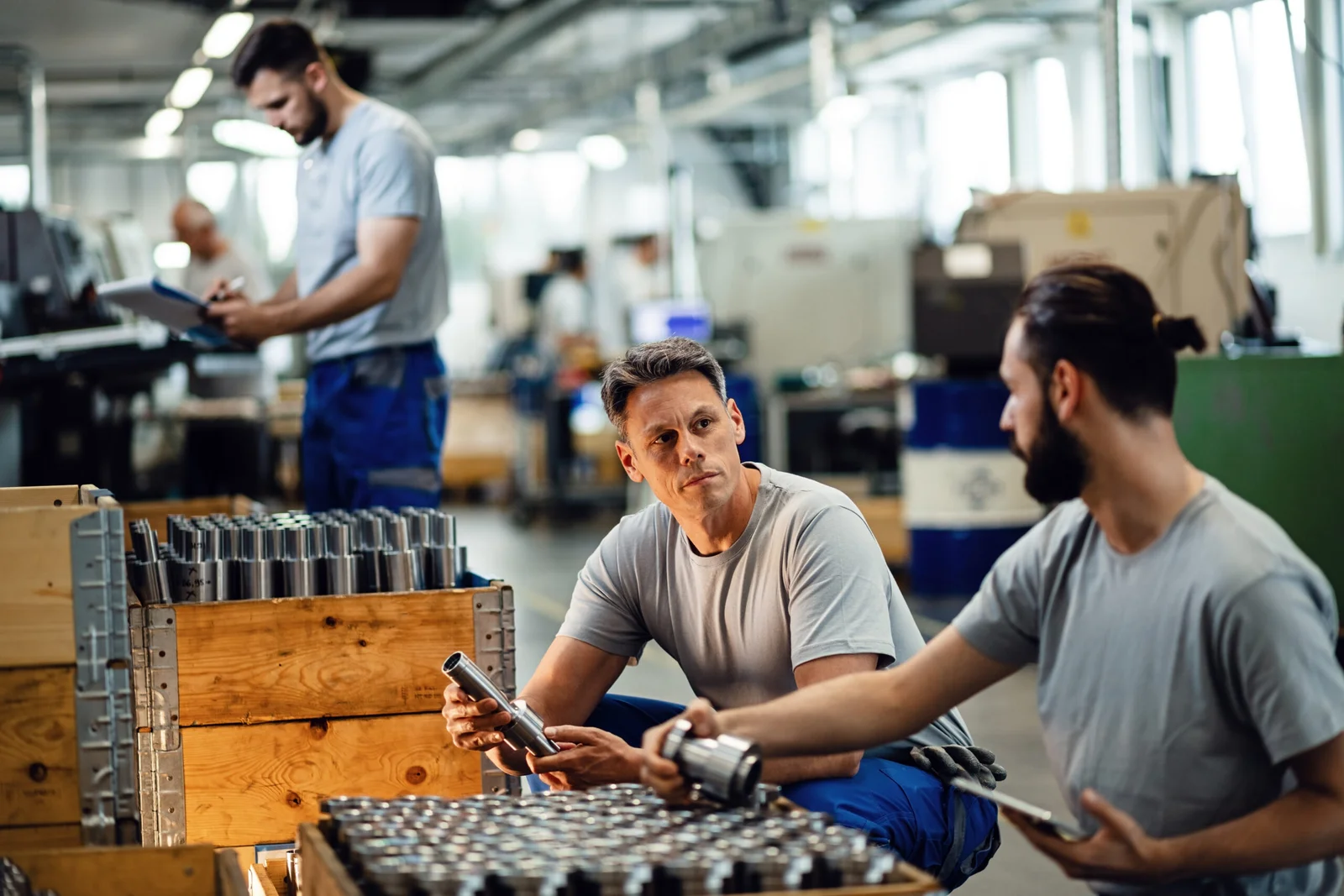
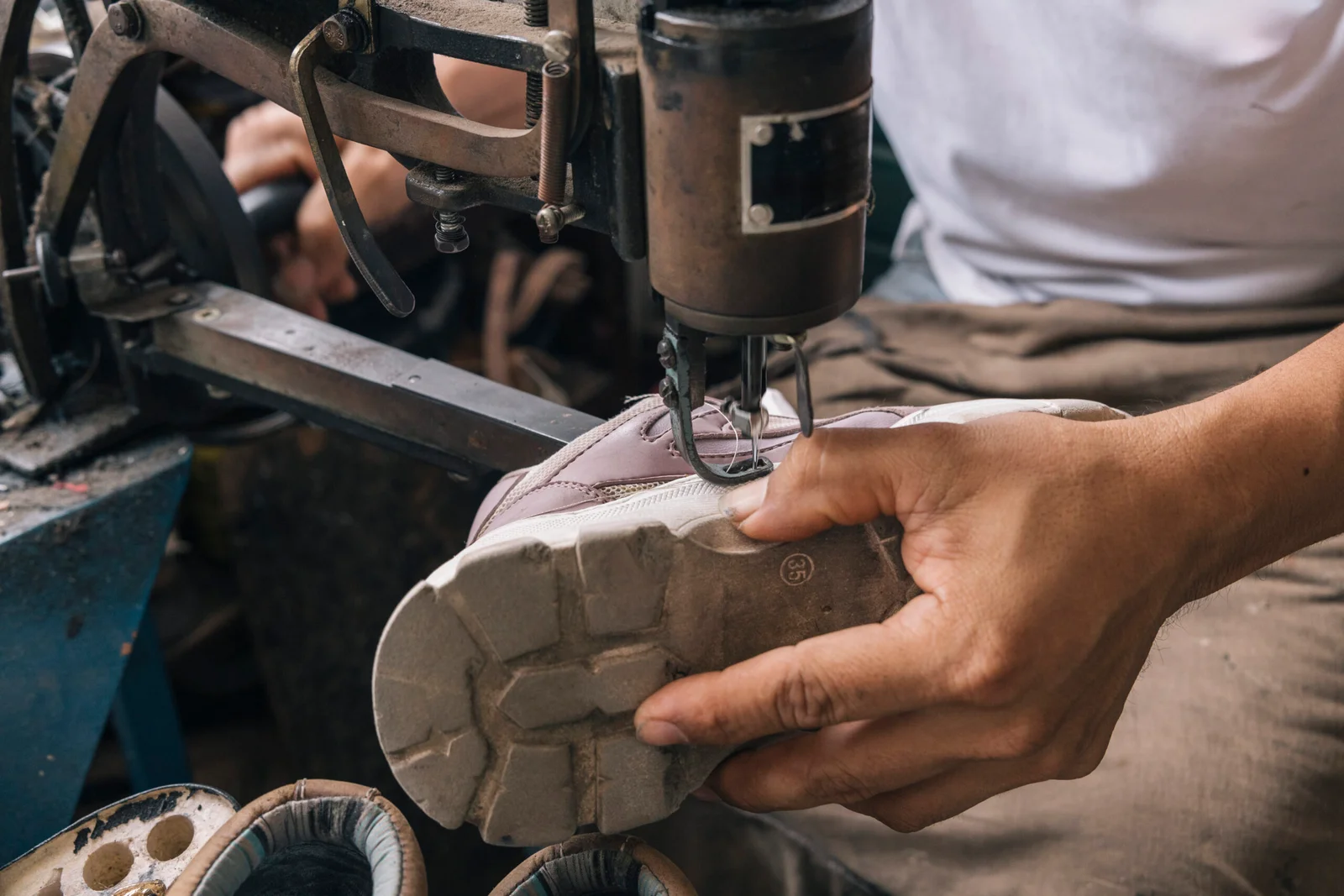
Automation is real, but it is uneven. It has transformed high-volume, repetitive production, the kind you see in bottling lines or chip fabrication. It has barely touched the high-mix, lower-volume goods that most new brands actually make: products with fabric, soft goods, small electronics, multiple assembly steps, and frequent design tweaks.
Those products still lean heavily on skilled manual assembly, mature tooling, and a dense web of nearby component suppliers. A robot does not simply appear and start working. Someone has to design the production line, build the tooling, and run volumes high enough to justify all of that. A first product run almost never qualifies.
China's Real Edge Is Not Just Cheap Labor
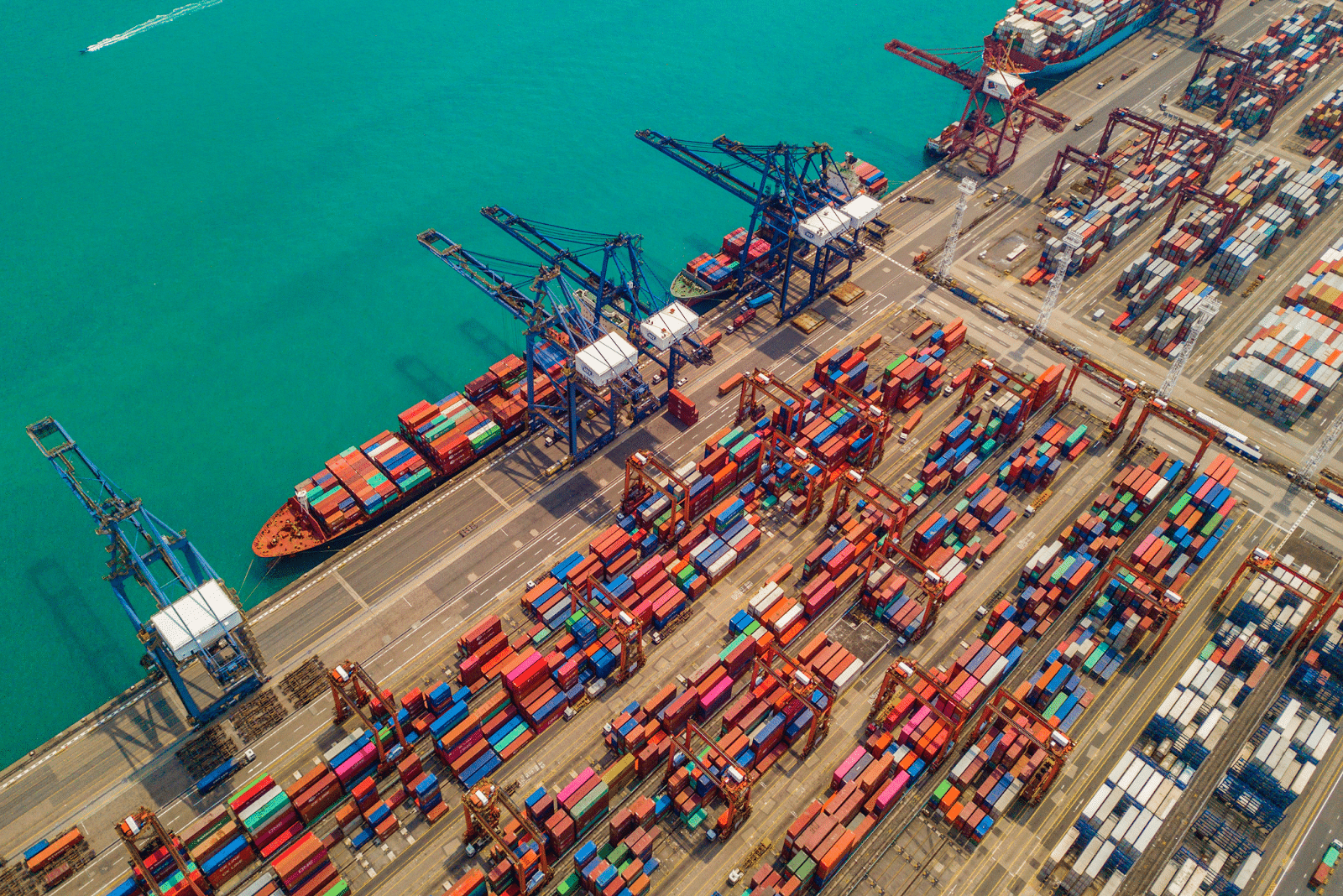
If you only look at hourly wages, you miss the actual reason sourcing from China still wins for so many small brands. The real advantages are supplier density (thousands of factories making the same kind of product sit within driving distance of each other, so you can compare, switch, and combine), component access (the screws, zippers, motors, and packaging you need are made next door, not shipped in from another country), tooling ecosystems (molds and dies get built quickly and affordably because the whole supply chain is local), speed (prototype to production in weeks, not quarters), and order minimums you can actually meet. Many Chinese factories accept the kind of first-run quantities a new brand can afford.
Labor cost is the smallest item on that list. The ecosystem is the real moat, and automation does not rebuild an ecosystem overnight.
What a Beginner Runs Into When They Price U.S. Production
This is not a knock on U.S. manufacturing. It is simply what a first-timer tends to hit when the quotes come back: higher minimums in many categories, because a lot of domestic capacity is built for large contract runs. Tooling that costs the same or more, with fewer shops willing to take a tiny first order. Longer lead times than people expect, because capacity is tight. A thin list of suppliers for any given niche, which means less leverage and fewer fallback options if something goes wrong.
| Factor | United States | China | Nearshoring (e.g. Mexico) |
|---|---|---|---|
| Labor cost | High | Low to moderate | Moderate |
| Order minimums (MOQ) | Often high | Low to moderate | Moderate |
| Tooling cost | High | Low to moderate | Moderate |
| Lead time | Moderate to long | Short for production, plus shipping | Short |
| Supplier density | Thin in many niches | Very high | Growing, niche-dependent |
Where U.S. or Nearshoring Can Actually Make Sense
Nearshoring means manufacturing in a country close to your market, such as Mexico for a U.S. brand, rather than far overseas. Both domestic and nearshore production have honest, real-world cases where they win.
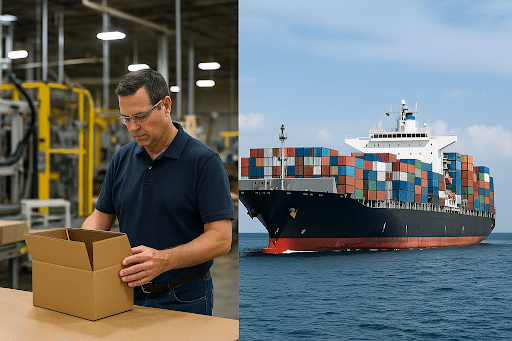
Heavy or bulky products, like furniture or large plastics, where freight cost dwarfs the unit cost and making it closer to the customer saves more than cheap labor ever would. Regulated or IP-sensitive goods, where control, oversight, and proximity to the line genuinely matter. You can read more about protecting IP when sourcing overseas. Speed-to-customer plays, where being two days from your buyer beats being five weeks away.
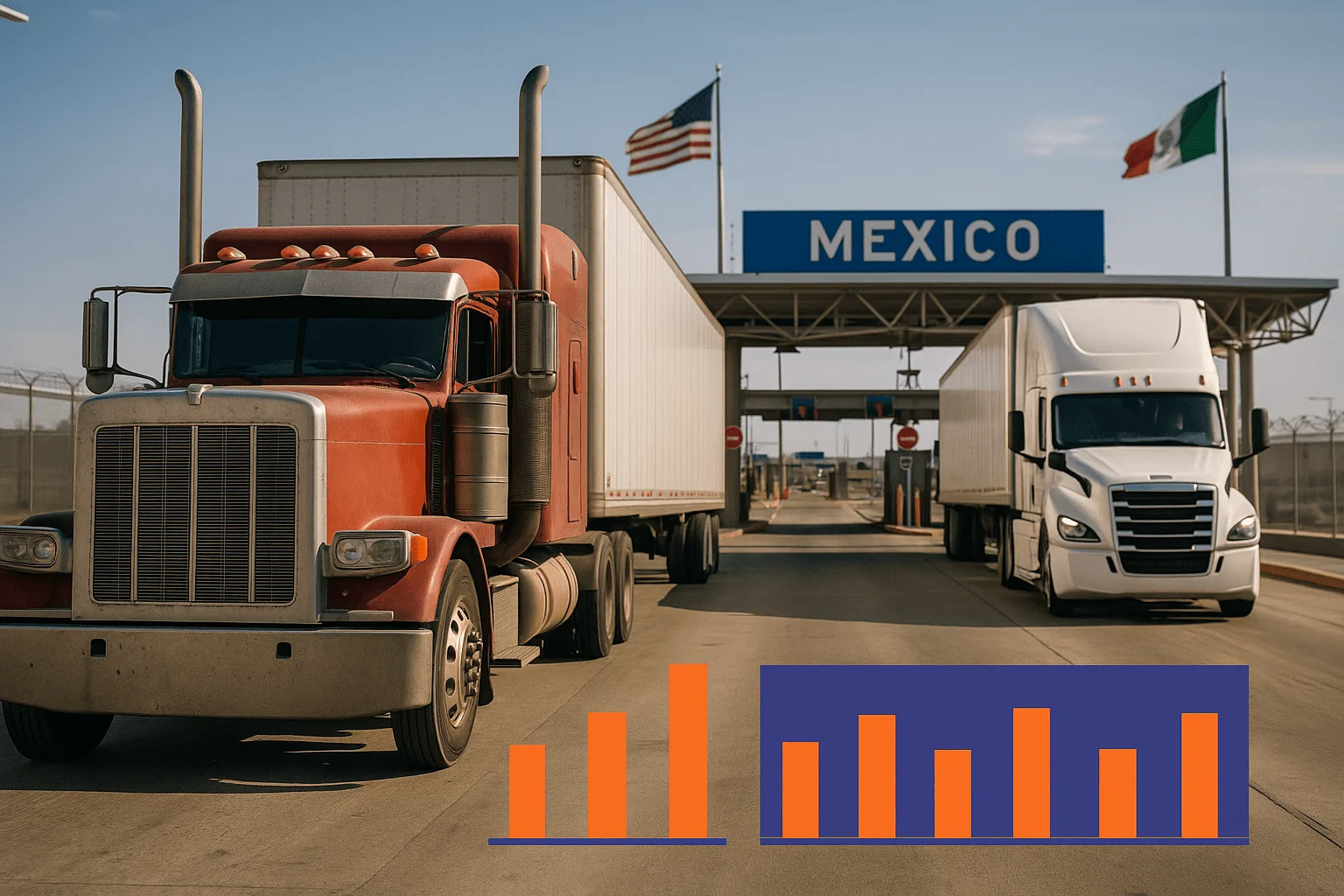
Mexico in particular has become a serious option for U.S. brands chasing shorter lead times, and Vietnam keeps growing as an alternative for certain categories. The point is not that the U.S. is never the right answer. Sometimes it clearly is. The point is to choose on fit, not on a headline. For a detailed breakdown, see our Mexico vs China and China vs Vietnam manufacturing comparisons.
How AI Is Genuinely Changing Sourcing Right Now
Here is the part the excitement should actually be pointed at. AI is not bringing factories home. But it is quietly making the work of sourcing faster and less error-prone, which is a real and immediate payoff for an importer in 2026.
| What AI Does Well for Sourcing | What AI Does Not Do |
|---|---|
| Speeds up supplier research | Build your tooling |
| Normalizes messy quotes into comparable formats | Run your production line |
| Cleans up specs and drawings | Relocate a factory |
| Drafts QC checklists | Remove a tariff |
| Models landed cost scenarios | Replace a real human inspection on the floor |
| Bridges language gaps in supplier communication | Make the country decision for you |
That is the realistic version of AI helping you in 2026. It makes a good sourcing process sharper. It does not change the map of where things get made. For more on how technology is shaping the sourcing landscape, see our article on how AI is transforming global product sourcing.
Tariffs and Trade Are the Variable That Actually Moves Your Costs
If you are new to importing, watch trade policy far more closely than any IPO. This is where your margins actually live.
De minimis was the rule that let low-value shipments enter a country duty-free with minimal paperwork. The U.S. ended its $800 de minimis exemption in stages: for China and Hong Kong on May 2, 2025, then for all countries on August 29, 2025. The EU follows on July 1, 2026, applying duties on parcels valued under 150 euros as a first step toward ending its own exemption.
In plain terms: the cheap, paperwork-light way of bringing in small batches and samples is gone, and duties now hit orders that used to slip under the line. That is exactly why you need to think in landed cost. Landed cost is the all-in cost of a product delivered to your door, including the unit price, shipping, duties, and fees, not just the factory sticker price. A quote that looks cheap per unit can become expensive once everything is added up, and a tariff mitigation strategy is now part of the basic math, not an afterthought. For a deeper dive, read our guide on how tariffs impact your product cost.
The cheapest supplier is not always the lowest-cost supplier. Factory price is not your real cost. If you do not know your landed cost, you do not know your margin. Country selection should be based on landed cost, quality, lead time, and supplier fit, not headlines. Importivity helps new importers model landed cost transparently before placing an order.
What a New Importer Should Actually Do in 2026
A short, practical sequence beats waiting for the perfect future.
Validate the product and real demand first. The country you choose means nothing if nobody buys it.
Get real quotes from the right factories, not the cheapest ones. Fit beats price every time on a first run. A strong RFQ template helps you get comparable, accurate quotes across multiple factories.
Model landed cost, including tariffs and freight, not just unit price. A clear BOM template and an understanding of your FOB vs DDP terms make this far easier.
Lock your specs and quality control before production starts. A clear spec plus a real inspection plan is what prevents the expensive mistakes. Use a factory visit checklist if you're evaluating suppliers on-site.
Do not delay your launch waiting for a reshoring future that has not arrived.
So Should You Import from China or Wait for AI to Bring It Home?
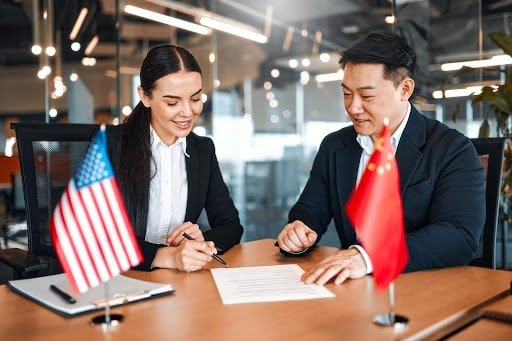
Source where the fit is right now. The country on the label matters far less than execution. The right supplier, clear specs, and real quality control will decide whether your product succeeds, not whether it was assembled by a robot in Ohio or a skilled worker in Shenzhen.
AI will keep getting better, and some production may genuinely come home over time. But you cannot launch a product in a future that has not arrived. Make a good decision with today's facts, and revisit it as the facts change.
If you are weighing where to make your first product, this is exactly the kind of decision Importivity helps new importers think through, whether the right answer turns out to be China, a nearshore option, or the U.S. You can also see how other brands made the call once they looked at real numbers instead of headlines on our case studies page.
Explore More
- Product Sourcing Services
- Manufacturer Sourcing
- Supplier Vetting
- Tariff Mitigation Strategies
- China vs Vietnam Manufacturing
- Mexico vs China Manufacturing
- What to Know Before Sourcing from Vietnam, China, and Mexico
- Nearshoring vs Offshoring Tradeoffs
- How AI Is Transforming Global Product Sourcing
- Case Studies
Frequently Asked Questions
Will AI and robots bring manufacturing back to the U.S.?
Not in a way that changes the decision for a new brand today. Automation is reshaping high-volume production, but most consumer goods still rely on manual assembly and dense overseas supply chains. Expect gradual shifts over years, not a sudden return.
Is it cheaper to manufacture in the U.S. or China in 2026?
For most small-batch consumer products, China is still cheaper once you account for tooling, supplier options, and order minimums, even with tariffs factored in. U.S. production can win on heavy items, regulated goods, or speed-to-customer plays.
Does the Anthropic IPO affect tariffs or import costs?
No. An IPO is a fundraising event for a single company. It does not change tariffs, customs rules, or trade policy, which are the things that actually move your import costs.
Should a new brand wait for reshoring before launching a product?
No. Reshoring is a slow, uneven trend, not a near-term option for a first run. Source where the fit is right now and launch. You can revisit the country decision as conditions change.
What is the de minimis change and why does it matter for small importers?
De minimis let low-value shipments enter a country duty-free with little paperwork. The U.S. ended it in 2025, and the EU adds duties on small parcels starting July 1, 2026, so small orders and samples now carry costs that used to be waived. That makes landed cost modeling essential even for small shipments.
Trying to Decide Where to Make Your First Product?
Importivity helps new importers think through the country, factory, and cost decision based on real numbers, not headlines. Whether the right answer is China, Mexico, Vietnam, or the U.S., we'll help you figure it out.
Explore Product Sourcing Services