














Importing building materials is usually not a bad idea on its own. It becomes a bad idea when a company lacks the overseas relationships, working capital, or internal oversight to manage the process successfully. For the right buyer, importing can improve margins dramatically. For the wrong buyer, it can create avoidable headaches. This article breaks down when importing actually fails, when it works, and how to figure out which side of that line your business is on.
Why So Many Buyers Assume Importing Building Materials Is Riskier Than It Really Is
Most builders, remodelers, and contractors default to buying from local supply houses because it feels simpler. And in many cases, it is simpler. You pick up the phone, place an order, and the material shows up. Net terms keep your cash flow comfortable. The relationship is familiar.
But here is the part most buyers do not think about carefully enough: a large share of the building materials sitting in domestic supply houses were not manufactured domestically. They were imported by a distributor, marked up, warehoused, and resold to you. The materials are still coming from overseas factories. The only difference is who controls the margin and the relationship.
According to the National Association of Home Builders, approximately $14 billion worth of goods used in new U.S. residential construction are imported from outside the country, with China accounting for the largest share. That does not mean every buyer should go direct. But it does mean the question is not really "should I import or buy domestic?" The better question is: "Am I paying an extra layer of markup because it feels easier, and is that tradeoff actually worth it for my business?"
The Only Times Importing Building Materials Is Actually a Bad Idea
Importing fails for specific, predictable reasons. Not because the concept is flawed, but because the buyer's situation does not support it. There are three scenarios where importing building materials genuinely becomes a bad idea.
You Do Not Have the Right Overseas Connections
The single biggest problem is not having access to the right manufacturers. Without a reliable way to identify, compare, and vet factories, you are guessing. And guessing with a container-load of building materials on the water is expensive.
Many buyers who try importing for the first time end up working with the first supplier they find on a B2B platform, with no way to verify whether that factory produces at the same caliber as the manufacturers used by major distributors. The result is often inconsistent quality, miscommunication about specifications, or products that do not meet the standards your projects require.
The fix is not to avoid importing. It is to work with someone who has the supplier access and qualification experience to match you with the right factory for your specific category and volume.
You Cannot Afford to Give Up Your Domestic Net Terms
This is the tradeoff most buyers feel but do not always articulate clearly. Local supply houses typically offer net-30 or net-60 terms, which means you can receive materials today and pay for them later. That supplier credit is a real financial tool, especially for contractors managing cash flow across multiple active projects.
Importing usually requires a different payment structure. Factories typically expect a deposit before production begins and the balance before or at shipment. That means your cash is committed earlier in the cycle. If your business does not have the working capital or credit facilities to absorb that shift, the margin improvement from lower cost of goods can be offset by the strain on cash flow. For guidance on structuring these conversations, see our guide on how to negotiate the best payment terms with your supplier.
This does not mean importing is wrong for you permanently. It means your business may need to build toward it, or start with a single high-volume category where the margin improvement justifies the earlier cash outlay.
You Do Not Have the Knowledge or Resources to Manage the Process
Importing is not just placing an order and waiting. It involves supplier oversight, quote comparison across factories, sample review and approval, freight coordination, packaging specifications to minimize damage, and consistency management across production batches.
If your team has no experience with any of these steps, the first import can feel overwhelming. Mistakes in freight planning alone can eat into the margin you were trying to capture. And if no one on your side is reviewing production quality before shipment, you may not discover problems until materials arrive on a job site. Understanding the full scope of quality control mistakes importers make can help you avoid the most common pitfalls.
The solution is either building that capability internally or working with a sourcing partner who handles the process on your behalf. What you should not do is skip the oversight entirely and hope the factory gets everything right on their own.
Importivity helps builders, contractors, and material buyers figure out whether importing actually makes sense for their business. That starts with evaluating your category, volume, current pricing, and operational readiness, not with assuming every company should import. For companies where the fit is right, Importivity provides the factory access, supplier qualification, and sourcing oversight that most buyers cannot build on their own. Explore our sourcing services.
When Importing Building Materials Is a Very Good Idea
For companies on the other side of those three barriers, importing can be one of the highest-impact moves available.
Importing tends to work well when you have enough volume for the margin savings to be meaningful, when you can handle a different payment structure without creating cash flow problems, when you want more direct control over your cost of goods, and when you are thinking strategically about long-term company value rather than just next month's project margin.
It also works well for buyers who are simply tired of paying a domestic intermediary for access to the same overseas factories they could reach with the right support. Removing one or two markup layers between your company and the factory changes the economics of every project that material touches. Companies that have made this shift successfully tend to follow a pattern: they start with one or two high-volume categories, build a reliable supplier network, and expand from there.
The Net Terms Tradeoff Most Buyers Need to Understand
Domestic net terms feel safe. And for many businesses, they are a necessary part of how cash flow works. But net terms are not free. You are paying for that convenience through higher material costs, and over time, that premium compounds.
Here is the tradeoff in plain terms: buying from a local supply house on net-60 may give you breathing room on cash, but the per-unit cost of the material is almost certainly higher than what you would pay going direct to the factory. The question is whether the margin improvement from importing justifies giving up some of that net-term convenience.
For businesses with strong cash reserves, a line of credit, or enough project visibility to plan purchases further ahead, the answer is often yes. The lower cost of goods drops straight to the bottom line, and that improvement shows up in every project where you use the imported material. Understanding the hidden costs embedded in your current supply chain is the first step in making that comparison honestly.
How Lower COGS Can Increase the Value of the Company
This is the part most buyers do not think about, but owners preparing for a future sale or valuation event should.
If your company spends $5 million to $10 million per year on materials, and you meaningfully reduce cost on even one or two major categories by importing direct, that savings flows through to gross profit and EBITDA. In a business valued on a multiple of earnings, every dollar of permanent cost reduction can translate into several dollars of enterprise value.
A company that reduces annual material cost by $200,000 through smarter sourcing does not just pocket $200,000. At a 5x EBITDA multiple, that improvement could add $1 million to the value of the business. The math is straightforward, and it is one of the reasons more construction-adjacent companies are exploring direct import as a strategic move, not just a purchasing decision. Transparent budgeting across your sourcing spend makes it easier to identify where that value sits.
Which Building Material Categories Often Make the Most Sense to Import
Not every building material category is a good fit for importing. The strongest candidates tend to be products where the manufacturing is already concentrated overseas, where quality is well-established at factory level, and where the per-unit or per-container economics justify the logistics.
Categories that often make strong import candidates include roofing accessories (drip edge, cap nails, coil nails, silicone), luxury vinyl plank (LVP) flooring, WPC fencing, and commercial windows and doors. These are product types where Chinese manufacturers in particular have built deep expertise, strong quality systems, and competitive pricing at scale. China is often the strongest fit for these categories, though the right sourcing partner can also connect buyers to manufacturers in Vietnam, Mexico, India, and other markets depending on product type and trade conditions.
The important point is that category fit matters. Importing commodity lumber is a different conversation than importing engineered flooring or custom-spec aluminum windows. The right categories are the ones where the margin improvement is large enough to justify the logistics, lead time, and working capital shift.
When Domestic Buying Still Makes Sense
Importing is not the answer for every company or every purchase. There are situations where domestic buying is the clearly better option.
If you need net terms more than you need margin improvement right now, domestic suppliers are doing something importing cannot easily replicate. If your order volume is too low to fill a container or hit factory minimums efficiently, the economics may not work. For guidance on working within those constraints, see our guide on securing lower MOQs. If your team has no bandwidth to manage the import process and you are not ready to work with a sourcing partner, forcing it will create more problems than it solves. And if speed or replenishment flexibility matters more than factory-direct pricing, a local supply house with inventory on the ground may serve you better.
The goal is not to import everything. The goal is to import the right categories at the right time for the right reasons.
Why Many Buyers Are Already Buying Imported Materials Anyway
Here is the part that surprises a lot of contractors and material buyers: many of the products you are buying from domestic supply houses were not made domestically. They were manufactured overseas, imported by a distributor, and resold to you with markup added at each layer.
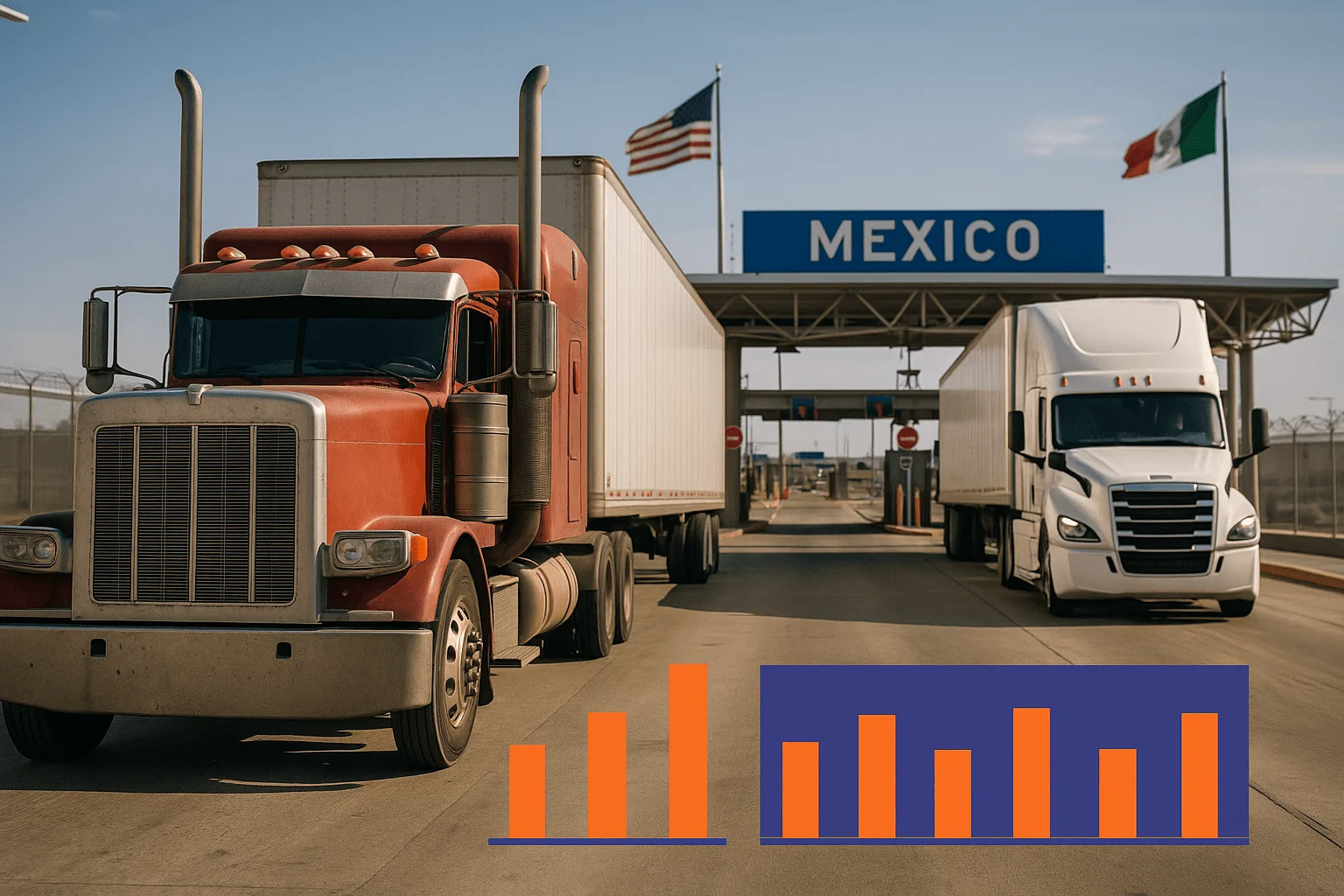
According to research from the NAHB's Eye on Housing, China accounts for approximately 27% of imported building materials used in residential construction, followed by Mexico at 11% and Canada at 8%. When you buy LVP flooring from a local distributor, there is a good chance that product was manufactured in a Chinese factory and shipped to a U.S. warehouse before it reached your supply house. The same is true for many roofing accessories, fencing products, and commercial door and window systems.
The real question is not whether you want to buy imported materials. You probably already are. The real question is whether you want to control that relationship directly, reduce the layers of markup between you and the factory, and capture more of the margin for your own business.
If you want to know whether your current domestic supply chain is already built on imported product with extra layers of markup, Importivity can help you assess that. Our team evaluates your specific categories, current landed costs, and factory-direct alternatives to show you exactly where the margin opportunity sits. See how other companies have captured that margin.
How Importivity Helps Companies Evaluate Whether Importing Makes Sense
Importivity helps builders, contractors, and material buyers figure out whether importing actually makes sense for their business. That starts with evaluating your category, volume, current pricing, and operational readiness, not with assuming every company should import.
For companies where the fit is right, Importivity provides the factory access, supplier qualification, and sourcing oversight that most buyers cannot build on their own. That includes identifying the right manufacturers through Importivity's reverse sourcing process, comparing factory options in China and other markets, and managing the process from quoting through production and shipment. If tariffs or landed cost concerns are part of your decision, Importivity can help you evaluate mitigation strategies as well.
Explore More
Frequently Asked Questions
When is importing building materials a bad idea?
Importing building materials is typically a bad idea when the buyer lacks reliable overseas factory access, cannot afford to give up domestic net terms, or does not have the knowledge or resources to manage the sourcing and logistics process properly. The concept itself is not flawed, but the buyer's readiness determines whether it works.
Is it still worth importing building materials from China?
Yes, for many categories. Chinese manufacturers have deep expertise in products like roofing accessories, LVP flooring, WPC fencing, and commercial windows and doors. The cost savings can be significant when the buyer has the volume, cash flow, and sourcing support to manage the process.
Why do domestic net terms make importing harder for some companies?
Domestic suppliers often offer net-30 or net-60 payment terms, which help contractors manage cash flow across active projects. Importing typically requires deposits and pre-shipment payments, which shifts cash commitment earlier in the cycle. That tradeoff is manageable for some businesses but difficult for others. For tips on structuring these conversations, see our guide on negotiating payment terms.
Can importing building materials increase company value?
Yes. Reducing material costs through direct importing can improve gross profit and EBITDA. For businesses valued on a multiple of earnings, even a modest reduction in annual material spend can translate into a meaningful increase in enterprise value. A $200,000 annual savings at a 5x multiple adds $1 million in company value.
Are local supply houses often reselling imported materials?
In many cases, yes. A significant share of building materials sold through domestic supply houses were manufactured overseas and imported by a distributor before reaching the local seller. Buyers are often purchasing imported products indirectly without realizing it, paying extra margin at each layer.
How can Importivity help me evaluate whether importing makes sense?
Importivity evaluates your product category, volume, current pricing, and operational readiness to determine whether direct importing is a good fit. For companies where it makes sense, Importivity provides factory access, supplier qualification, and sourcing oversight from quoting through shipment. Book a free discovery call to get started.
Want to Know If Importing Makes Sense for Your Business?
Importivity can help you evaluate whether your current material spend includes categories where direct importing would meaningfully improve your margins.
Explore Product Sourcing Services