





What do OEM and ODM mean? OEM usually refers to manufacturing based on a buyer's product specifications, while ODM usually refers to manufacturing based on a supplier's existing design that a buyer can brand or customize. In simple terms, OEM gives brands more control over the product itself, while ODM often offers a faster path to market. If you are trying to source a product, the choice between OEM and ODM can affect your cost, speed, customization options, risk level, and long-term brand potential.
What Do OEM and ODM Mean?
OEM stands for Original Equipment Manufacturer. In sourcing terms, OEM usually means a factory manufactures a product based on your design, specifications, or requirements. You bring the concept, and the factory brings the production capability.
ODM stands for Original Design Manufacturer. ODM usually means the factory already has a product design, and you choose to brand it, modify it, or customize it for your business. The factory brings both the design and the production capability, and you bring the brand. According to Wikipedia's overview of ODM manufacturing, most of the world's largest ODMs by revenue are based in Taiwan and China, reflecting the depth of Asia's manufacturing ecosystem.
The core difference comes down to who owns the product concept. With OEM, the buyer leads the design. With ODM, the supplier leads the design.
OEM vs ODM: What Is the Difference?
The distinction between OEM and ODM affects almost every part of a sourcing project. Here is a side-by-side comparison.
| Factor | OEM | ODM |
|---|---|---|
| Who owns the product concept | Buyer | Supplier |
| Customization level | High | Limited to moderate |
| Speed to market | Slower | Faster |
| Tooling and development cost | Higher | Lower |
| MOQ tendency | Often higher | Often lower |
| IP risk profile | Lower (buyer owns design) | Higher (supplier may sell similar products to others) |
| Best fit | Brands that need unique, differentiated products | Brands that want speed, simplicity, or demand validation |
Understanding this table is important because it frames every decision that follows, from budget planning to factory selection to country strategy.
What Does OEM Mean in Manufacturing?
In an OEM arrangement, the buyer typically has a concept, design, or set of product requirements, and the factory manufactures the product to those specifications. This means more room for customization, but it also means more development work on the front end.
OEM projects commonly involve tooling (the molds, dies, or production setups needed to make a product), multiple rounds of sampling and revisions, and longer lead times before production begins. The tradeoff is that the finished product is uniquely yours. No other brand is selling the same thing from the same factory.
OEM makes sense when you need a product with specific dimensions, materials, features, or functionality that does not already exist in a supplier's catalog. Examples include a custom plastic kitchen tool with a unique form factor, a custom cut-and-sew jacket designed around your brand's specifications, an electronics accessory with specific technical requirements, or a pet product with functional features that differentiate it from existing options.
What Does ODM Mean in Manufacturing?
In an ODM arrangement, the supplier already has a product design or base model. The buyer selects an existing product, applies their own branding, and may request limited modifications like color changes, logo placement, material swaps, or packaging customization.
ODM is typically faster and simpler than OEM because the product development work has already been done. The factory has an existing mold, an existing pattern, or an existing product platform that is ready for production. That means shorter lead times, fewer sample rounds, and lower upfront development costs.
ODM is a strong starting point for newer brands testing demand, launching a first product, or entering a category where speed matters more than deep differentiation. Examples include drinkware from a supplier's existing catalog with custom branding, beauty tools with logo and color customization, fitness apparel based on an existing style with minor fabric or sizing adjustments, or home storage products with custom packaging and branding.
OEM vs ODM vs Private Label vs White Label
These terms overlap in practice, and that creates confusion. Here is how to keep them straight.
OEM means the buyer leads the product design and the factory manufactures to those specifications. ODM means the supplier leads the design and the buyer brands or customizes it. Private label means a brand sells a product made by another manufacturer under its own brand name. It often overlaps with ODM or white-label arrangements rather than fully custom OEM development. White label means a generic product sold to multiple brands with minimal differentiation. The same product may be available to several buyers under different brand names.
The boundaries between these models are not always rigid. Some projects start as ODM and gradually shift toward OEM as a brand refines its product and invests in custom tooling or design. What matters most is understanding where your project falls on the spectrum between fully custom and fully off-the-shelf. For a deeper look at how private label manufacturing fits into the sourcing landscape, see our full guide.
Which Is Better for Startups: OEM or ODM?
For many startups, ODM is often the easier and faster place to begin. It reduces product development complexity, lowers upfront costs, and shortens the time between idea and first sale. When you are still testing whether a product resonates with customers, the speed and simplicity of ODM can be a significant advantage.
OEM is usually the stronger path when the product needs real differentiation, custom functionality, or long-term defensibility. If your competitive advantage depends on a unique design, a proprietary feature, or a specific material that no existing supplier product can match, OEM is likely the right fit from the start.
The honest answer is that neither model is universally better. The right choice depends on your product, your budget, your timeline, and how much differentiation matters in your market. If you are still figuring out the right approach, a discovery call can help you assess your options based on your specific product and goals.
Importivity helps brands evaluate whether OEM or ODM makes more sense based on product type, category, customization needs, budget, minimum order quantities, and country fit. Whether you are sourcing your first product or expanding an existing line, we can help you identify the right factory type, the right country, and the right sourcing model for your stage of growth. Explore our product sourcing services.
Pros and Cons of OEM
OEM offers more customization, stronger product differentiation, better long-term brand defensibility, and more control over materials, specifications, and features. It is the path that gives you the most ownership over the final product.
On the other hand, OEM typically involves a longer development cycle, higher tooling and sampling costs, more complexity in the production process, and a greater need for technical clarity from the buyer. If you cannot clearly communicate what you want, the OEM process can become expensive and frustrating. Having a clear bill of materials and RFQ template helps significantly.
Pros and Cons of ODM
ODM offers a faster launch, lower development complexity, an easier entry point for first-time buyers, and often lower upfront financial risk. It lets you get to market and start generating revenue while you figure out what your customers actually want.
The downsides are less differentiation, potentially more competition from other brands using similar or identical base products, less control over design details, and the reality that some suppliers may offer the same product to multiple buyers. If uniqueness is critical to your positioning, ODM may not provide enough separation.
Cost, MOQ, Lead Time, Tooling, and IP: What Changes Between OEM and ODM?
This is where the practical differences become clearest.
| Factor | OEM | ODM |
|---|---|---|
| Upfront cost | Higher | Lower |
| Tooling expense | Often significant | Minimal or none |
| Sample rounds | Multiple | Fewer |
| MOQ | Often higher | Often lower |
| Lead time | Longer | Shorter |
| Design ownership | Buyer owns | Supplier owns or shares |
| Customization flexibility | High | Limited |
| Supplier dependence | Lower | Higher |
| IP risk | Lower | Higher |
| Speed to market | Slower | Faster |
A few terms worth defining in plain English. MOQ stands for minimum order quantity, which is the smallest order a factory is willing to accept. For tips on negotiating lower MOQs, see our guide. Tooling refers to the molds, dies, or production setups needed to make a product, and it can range from a few thousand dollars to tens of thousands depending on complexity. Lead time is how long production and delivery take from order confirmation to product arrival. IP stands for intellectual property, meaning your product design, features, branding, or proprietary ideas. If you are sourcing from China specifically, protecting your IP requires proactive steps.
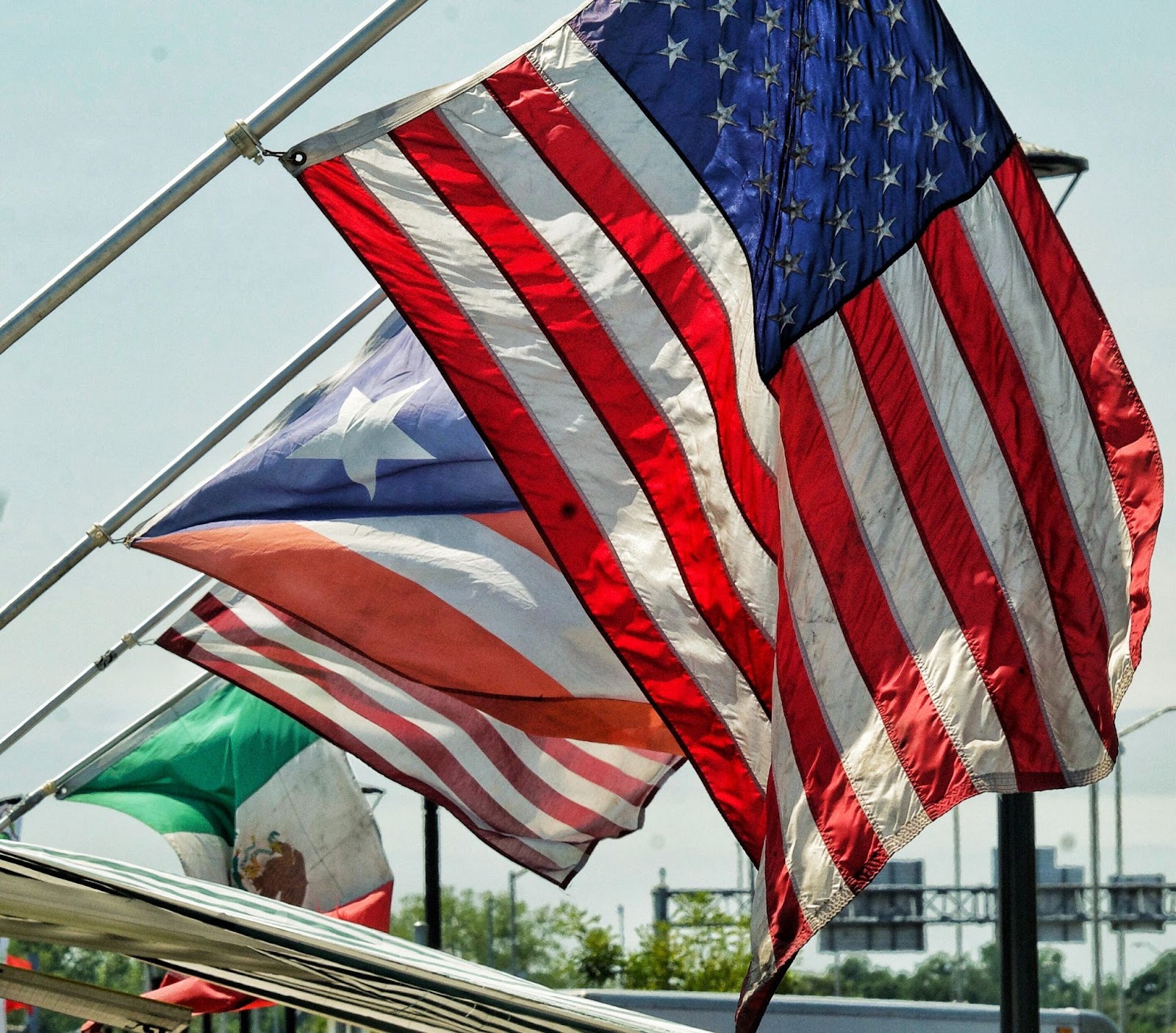
How OEM and ODM Can Look Different in China, Vietnam, and Mexico
The terms OEM and ODM stay broadly similar regardless of where you manufacture, but the factory ecosystem and practical dynamics can vary by country.
China
China has the broadest manufacturing base for both OEM and ODM across nearly every product category. Its supplier networks are deep, product development cycles tend to be faster, and factories are often experienced at working with international buyers on both custom and catalog-based products. For brands that need sophisticated OEM development or want access to a wide range of ODM options, China remains a primary hub. For more detail, read our guide to importing products from China.
Vietnam
Vietnam is strong for apparel, footwear, furniture, and certain consumer goods categories. It has become increasingly attractive for brands looking to diversify their supply chains within Asia. ODM options may be more concentrated in specific categories, while OEM capability continues to grow as the manufacturing ecosystem matures. Compare the two countries in our China vs Vietnam analysis.
Mexico
Mexico is especially relevant for U.S.-bound brands that prioritize nearshoring advantages like shorter transit times, easier communication across time zones, and simplified logistics. Depending on the product type and trade agreement structure, Mexico can also offer tariff advantages worth evaluating. For a direct comparison, see our Mexico vs China guide.
How to Choose Between OEM and ODM for Your Product Idea
The right path depends on your product, your market, and where you are in your business. Here is a simple decision framework.
Choose OEM if your product needs unique features or specifications that do not exist in a supplier's current catalog, if you want stronger differentiation that competitors cannot easily replicate, if you are willing to invest more time and money upfront in exchange for a truly custom product, or if you have a clear technical direction and can communicate detailed specifications to a factory.
Choose ODM if you want to launch faster with less development complexity, if you want to validate demand before investing heavily in custom tooling, if you are comfortable using an existing supplier design as a starting point, or if you want lower upfront risk while you build your brand and learn what your customers want.
When to Move From ODM to OEM
Many successful brands start with ODM and graduate to OEM over time. That progression is a natural part of building a product business.
The idea is simple: use ODM to prove demand, collect customer feedback, and generate early revenue. Once you understand what your customers actually want and where the product needs to improve, invest in OEM development to create something more differentiated, more defensible, and more aligned with your long-term brand vision.
The shift from ODM to OEM usually makes sense when margin improvement, product uniqueness, or competitive defensibility becomes more important than speed and simplicity. It does not have to happen all at once. Some brands move one product at a time, keeping certain SKUs on an ODM model while developing custom OEM versions of their best sellers. If you are considering that transition, rapid prototyping services can help you bridge the gap between concept and production-ready design.
Not sure which model fits your product? The choice between OEM and ODM is not permanent, and many brands use both models across different product lines. What matters is matching the right approach to your current stage, budget, and competitive landscape. Book a free discovery call and we will help you map out the best path for your specific product and goals.
How Importivity Helps Brands Choose the Right Manufacturing Path
Importivity helps brands evaluate whether OEM or ODM makes more sense based on product type, category, customization needs, budget, minimum order quantities, and country fit. For some products, the fastest answer is not the smartest one. For others, speed is exactly the right priority. The right path depends on what you are building and how you want to grow.
Whether you are sourcing your first product or expanding an existing line, Importivity can help you identify the right factory type, the right country, and the right sourcing model for your stage of growth. Our team has on-the-ground agents in China, Vietnam, Mexico, India, Pakistan, Japan, and the United States who can vet factories, negotiate pricing, and manage quality control on your behalf.
Final Takeaway
OEM and ODM are not competing philosophies. They are different tools for different stages, products, and goals. The best sourcing decisions start with understanding your product, your customer, and the tradeoffs you are willing to make, then matching those realities to the right manufacturing model and the right factory partner.
Explore More
Frequently Asked Questions
What is the difference between OEM and ODM?
OEM usually involves manufacturing a product to a buyer's specifications, while ODM usually involves using a supplier's existing design and branding or modifying it for resale. The core difference is who leads the product design. With OEM, the buyer brings the concept. With ODM, the supplier brings the concept.
Is OEM better than ODM?
Not always. OEM is often better for brands that want more customization and differentiation, while ODM is often better for brands that want to launch faster with less development complexity. The right choice depends on the product and the brand's stage of growth.
Is ODM good for startups?
Yes, in many cases. ODM can help startups get to market faster with lower upfront development costs, though it usually offers less product uniqueness than OEM. Many successful brands start with ODM and transition to OEM as they scale.
What does MOQ mean in OEM and ODM?
MOQ stands for minimum order quantity. It is the smallest order size a factory is willing to accept, and it often varies depending on product type, customization level, and supplier setup. OEM projects tend to carry higher MOQs than ODM. For strategies on reducing your MOQ, see our guide on securing low MOQs.
What is private label compared to OEM and ODM?
Private label usually means selling a manufacturer-made product under your own brand. It often overlaps more with ODM or white-label arrangements than with fully custom OEM development. For a comprehensive breakdown, read our private label manufacturers guide.
Can Importivity help me choose between OEM and ODM?
Yes. Importivity can help assess your product idea, sourcing goals, target country, MOQ expectations, and customization needs to determine the best manufacturing path for your brand. Book a free discovery call to get started.
Not Sure Whether OEM or ODM Is Right for Your Product?
Importivity helps brands choose the right manufacturing model, factory type, and sourcing country based on your specific product and goals.
Explore Product Sourcing Services