





China vs. Vietnam
Move Manufacturing from China to Vietnam
Global brands are shifting production from China to Vietnam to cut costs, avoid tariffs, and diversify their supply chains. Discover how your business can benefit from Vietnam’s growing manufacturing ecosystem.
Why Businesses Are Moving Manufacturing from China to Vietnam
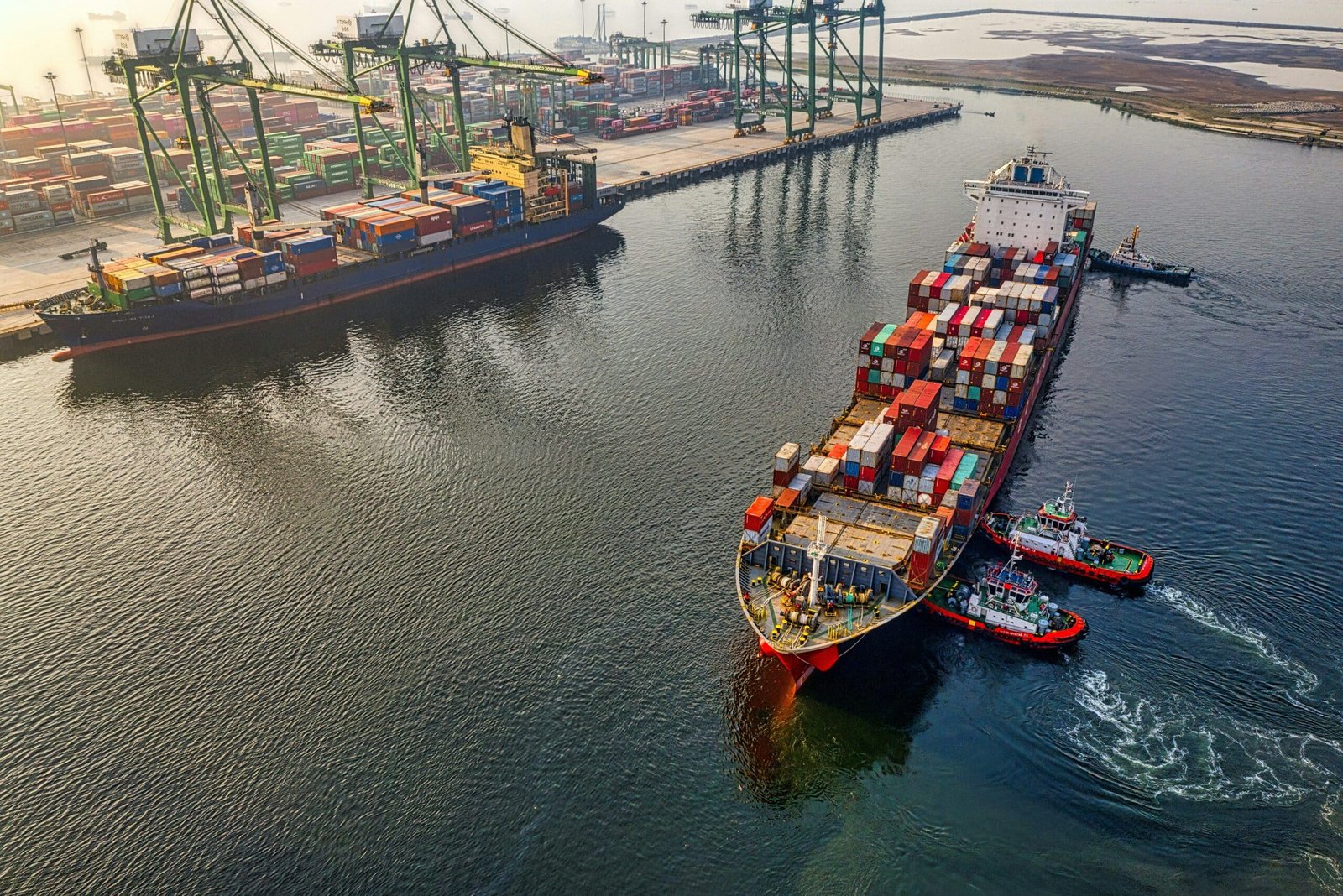
For decades, China has been the world’s factory floor. But rising tariffs, higher wages, and increasing supply chain risks have pushed companies to explore alternatives. Vietnam has emerged as a powerful option, offering lower labor costs, favorable trade agreements, and a fast-growing industrial base.
If your company is considering a shift, moving manufacturing from China to Vietnam could unlock competitive advantages while maintaining quality and reliability.
If your company is considering a shift, moving manufacturing from China to Vietnam could unlock competitive advantages while maintaining quality and reliability.
Industries Best Suited for Moving Manufacturing from China to Mexico
Vietnam offers a unique mix of cost savings, tariff advantages, and expanding industrial capacity that make it an ideal choice for global brands.
Lower labor costs
Save significantly on labor-intensive production compared to China.
Tariff advantages
Avoid Section 301 tariffs and benefit from CPTPP and EVFTA trade agreements.
Diverse supplier base
Vietnam’s rapid industrial growth has expanded its capabilities in textiles, metals, and electronics.
Strategic diversification
Reduce reliance on China and increase supply chain resilience.
China vs. Vietnam
A factory-floor comparison of production scale, capabilities, quality systems, and workforce to help you decide where to manufacture.
The Bottom Line
Manufacture in China when your product demands advanced tooling, complex assemblies, massive scale, or deep supply-chain integration. China's factory ecosystem can produce almost anything—but expect higher MOQs and rising labour costs.
Manufacture in Vietnam when you're producing apparel, footwear, furniture, or light-assembly goods and want lower labour costs with more flexible order quantities. Ideal for brands scaling up but not yet ready for China-level volumes.
Or split production: keep complex, high-precision SKUs in China and move labour-intensive, simpler-assembly lines to Vietnam—reducing cost concentration while maintaining quality where it counts.
The Importivity Process
Importivity is not just another product sourcing company. Our process is built to remove uncertainty and protect margins at every stage. Here is how we make global sourcing predictable, transparent, and profitable:
Discovery
We start by defining product specifications, compliance requirements, target costs, and timelines. This step ensures we source the right factory from the start and align with your business goals.
1
Factory Vetting
Our team identifies, audits, and validates manufacturers from our global network. Unlike many sourcing companies that hand over a list of names, we confirm certifications, capacity, and reliability before you commit.
2
Sampling & Tooling
We oversee prototype development, mold and tooling creation, and pre-production validation. This stage is critical in plastics manufacturing, metal fabrication, and electronics assembly, where tooling costs and tolerances can make or break profitability.
3
Quality Assurance and Quality Control (QA/QC)
Importivity conducts inspections at every stage: pre-production, in-line, and final. This prevents quality drift, reduces rework, and ensures your products meet the standards of both your customers and regulators.
4
Compliance & Packaging
We manage testing, labeling, and certification for markets like the U.S. and EU. Whether it is RoHS for electronics, FDA for plastics, or labor compliance for textiles, our product sourcing services protect you from hidden liabilities.
5
Logistics
Our logistics team coordinates everything from factory floor to final delivery. We work with vetted freight forwarders and manage customs documentation so you avoid delays and hidden costs.
Sourcing Company Case Studies
Real examples of how our sourcing company delivers results across industries and markets.
Frequently Asked Questions
If you need further assistance, feel free to reach out to our team!
Why are companies moving manufacturing from China to Vietnam?
Companies are moving to Vietnam to cut labor costs, avoid tariffs, and diversify supply chains. Vietnam offers competitive wages, strong trade agreements, and a rapidly developing manufacturing base.
What products are best to move from China to Vietnam?
Textiles, apparel, basic metals, and consumer electronics are the most common industries shifting. Complex plastics and advanced electronics typically remain in China.
Is it more expensive to move manufacturing to Vietnam?
Transition costs exist (supplier vetting, setup, logistics changes), but long-term savings from lower labor and tariff advantages often outweigh initial investments.
How long does it take to move production from China to Vietnam?
Timelines vary but most transitions take 6–12 months. This includes supplier qualification, sampling, compliance checks, and initial production runs.
Can Vietnam match China’s quality standards?
Yes, especially in textiles and consumer electronics. While China still leads in advanced manufacturing, Vietnam’s factories are quickly adopting global quality certifications and practices.

Still have questions?
Our team is happy to help! Visit our Help Center or contact us directly.