






OEM and Aftermarket Auto Parts Sourcing
Importing Auto Parts Globally
From drivetrain components and body panels to EV parts and aftermarket accessories, Importivity sources OEM-quality auto parts with IATF 16949 compliance, full traceability, and tariff-aware supply chain planning.
The Real Challenge with Auto Parts Sourcing
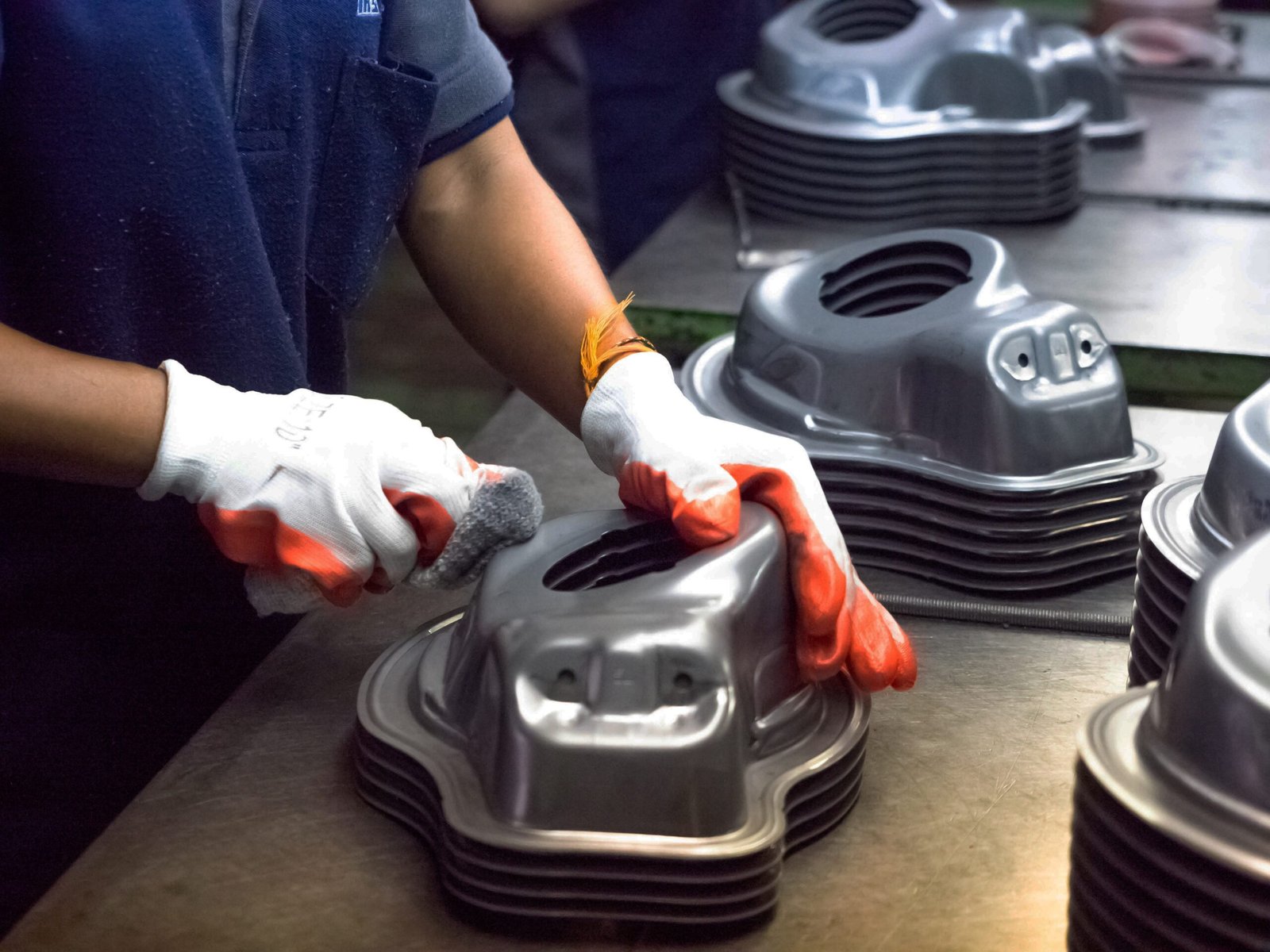
Automotive sourcing is not like sourcing consumer goods. Tolerances are tighter. Compliance is heavier. One bad part can trigger a recall, shut down an assembly line, or kill a customer relationship.
Importivity manages the full process for OEM suppliers, aftermarket brands, and EV startups: supplier identification, PPAP documentation, FMEA coordination, quality inspection, tariff modeling, and logistics. We source across Mexico, China, Taiwan, South Korea, India, and the U.S. and match each component to the manufacturing region that fits your quality, cost, and compliance requirements.
We do not just find you a factory. We manage the supplier relationship so your parts arrive in spec, on time, and with documentation your quality team can actually use.
Automotive Manufacturing Capabilities We Source
IATF 16949 Certified Suppliers
Every supplier in our automotive network holds or is working toward IATF 16949 certification. This is the baseline, not a bonus. We verify certification status, audit readiness, and process discipline before recommending any manufacturer.
1
PPAP and APQP Documentation
We coordinate Production Part Approval Process documentation from initial submission through Level 3 and Level 5 packages. Advanced Product Quality Planning is managed from design review through production validation.
2
FMEA and Control Plans
Failure Mode and Effects Analysis is built into every sourcing engagement. We work with suppliers to develop process FMEAs and control plans that satisfy OEM audit requirements.
3
Metrology and Dimensional Validation
CMM inspection, 3D scan-to-CAD comparison, GD&T reporting, and SPC data collection. Parts are validated against critical dimensions before shipment, not after arrival.
4
Materials Testing and Traceability
Material certifications, tensile testing, hardness testing, salt spray, and full lot traceability. Every part ties back to a material batch and heat lot.
5
Where We Source Auto Parts
Four regions. Each selected for specific automotive manufacturing strengths.
China
USMCA-Advantaged Nearshoring
China’s automotive supply chain is massive. Shenzhen, Ningbo, and Chongqing produce castings, stampings, machined parts, plastic interior components, and wire harnesses at scale. For high-volume, cost-sensitive parts, China remains the most competitive origin.
Strengths: Tooling speed, high-volume capacity, broad material availability Considerations: Section 301 tariffs on many auto parts, longer transit, IP management required
India
Precision Machining and Aftermarket Expertise
India’s auto component industry exports over $20 billion annually. Capabilities include castings, forgings, machined parts, rubber components, and electrical assemblies. Strong PLI incentives are expanding capacity across the sector.
Strengths: Competitive pricing, large supplier base, growing OEM partnerships
Considerations: Quality variance requires active inspection, longer transit to U.S.
Mexico
USMCA-Advantaged Nearshoring
Mexico is the top choice for auto parts destined for U.S. assembly plants. Monterrey, Queretaro, and Saltillo host major OEM and Tier 1 operations. USMCA-qualifying parts enter the U.S. with preferential duty treatment. Lead times from northern Mexico to the U.S. border run 1 to 3 days by truck.
Strengths: PPAP discipline, USMCA compliance, short transit, strong automotive clusters Considerations: Some specialty alloys and advanced tooling still sourced from Asia
United States
Compliance-Critical and Rapid-Turn Programs
U.S. sourcing is right for ITAR-adjacent programs, rapid prototyping, low-volume production, and parts requiring domestic content. IP protection and engineering collaboration are strongest here.
Strengths: Speed, IP security, engineering depth, no tariff exposure Considerations: Highest unit cost, best paired with offshore volume production
Frequently Asked Questions
If you need further assistance, feel free to reach out to our team!
What types of auto parts can Importivity source?
Body panels, drivetrain components, interior and exterior trim, electrical assemblies, EV components, aftermarket parts, and custom machined or cast components.
Do your suppliers hold IATF 16949 certification?
Yes. Every automotive supplier in our network holds or is actively pursuing IATF 16949. We verify certification status and audit readiness before recommending any manufacturer.
Which countries do you source auto parts from?
Mexico, China, Taiwan, South Korea, India, and the United States. Most programs use two or more origins to optimize cost, quality, and tariff exposure.
How do USMCA rules affect auto parts sourcing?
USMCA-qualifying parts from Mexico enter the U.S. duty-free. Regional value content rules apply. We help confirm qualification and structure sourcing to maximize eligibility.
What are the current tariffs on imported auto parts?
Section 232 tariffs of 25% apply to most imported auto parts. Japan, South Korea, and the EU have negotiated 15% inclusive rates. USMCA-qualifying parts from Mexico are duty-free. Chinese parts face additional Section 301 tariffs.
Can you source EV-specific components?
Yes. Battery enclosures, motor housings, thermal management systems, charging components, and high-voltage connector housings from manufacturers with EV program experience.
How does quality control work for auto parts?
CMM inspection, 3D scan-to-CAD validation, GD&T reporting, SPC data, material certifications, and full lot traceability. All verification happens at the factory before shipment.

Still have questions?
Our team is happy to help! Visit our Help Center or contact us directly.