







Made in America Products
The Truth About Manufacturing in The United States
Access trusted U.S. manufacturers and suppliers to improve speed, quality, and supply chain control.

Why Companies Choose “Made in USA”
Manufacturing in the United States carries a powerful weight. For some companies, it’s about brand trust and patriotism; customers value the “Made in America” label. For others, it’s about intellectual property protection, proximity to market, and reduced global risk exposure.
But U.S. manufacturing isn’t perfect. Higher costs, reliance on imported raw materials, and longer lead times can challenge margins. That’s why Importivity takes a balanced approach; giving you the full picture so you can decide whether domestic production is the right strategy for your business.
Industries We Specialize Helping Source For In the USA
Industries Where China Sets the Global Standard
The United States remains a leader in advanced industries where precision, innovation, and compliance are critical. From aerospace and medical devices to high-tech electronics and specialty foods, U.S. factories offer world-class quality, IP protection, and reliability. For companies where brand reputation and consistency matter more than chasing the lowest cost, America is often the smarter long-term choice.
Plastics
The U.S. stands out in plastics when precision and compliance are critical, particularly in medical devices, aerospace components, and regulated consumer goods. Advanced tooling and tight quality controls make domestic production highly reliable. The drawback is that many raw resins are still imported, driving up costs compared to overseas markets.
Metals
American manufacturers lead in aerospace, defense, and automotive machining, where tolerances are razor-thin and advanced equipment is essential. Domestic CNC shops excel at complex parts that require both speed and reliability. However, Mexico and China remain more cost-effective for high-volume runs, making them attractive for price-sensitive projects.
Electronics
While not a mass-market leader, the U.S. is increasingly competitive in specialized electronics, defense systems, and high-value consumer components. Domestic assembly ensures strict compliance and IP protection, which appeals to sensitive industries. Yet for large-scale consumer electronics, China still offers unmatched supply chain depth and cost efficiency.
Textiles
The U.S. textile industry excels in performance wear, technical fabrics, and niche apparel lines that demand compliance, quality, and quick turnaround. Domestic producers are strong partners for smaller, specialized runs where brand reputation is critical. On the other hand, Vietnam dominates the global fast-fashion and large-order segments with lower labor costs and higher output capacity.

Benefits of Manufacturing in the U.S.A.
See why it makes business sense to manufacture in the United States
Intellectual Property Protection
One of the strongest advantages of U.S. production is IP security. U.S. factories operate under strict laws that protect designs, patents, and proprietary methods giving peace of mind to companies with sensitive products.
Manufacturing Automation & Efficiency
The U.S. leads in advanced manufacturing automation, robotics, AI-driven production, and lean operations. While labor costs are higher, automation can level the playing field, particularly in industries like precision metals, electronics, and specialized plastics.
Market Proximity & Fulfillment Speed
Being closer to your customers means shorter delivery cycles, lower freight costs, and less disruption risk. For industries like apparel, medical devices, and consumer goods, the ability to deliver quickly can outweigh cost disadvantages.
Book A Call Now
Talk to a sourcing strategist and walk away with an action-ready checklist.
A Strategic Partner for Sourcing Products Made in the USA
At Importivity, we make sourcing Made in America products simple and efficient.
Customized Manufacturer Matching
We identify U.S. manufacturers that align with your product, budget, and market.
1
Quality Assurance
We oversee production to ensure your products meet or exceed your expectations.
2
Logistics Management
From the factory to your door, we streamline every step of the process.
3
Scalable Solutions
Whether you need small batch production or mass manufacturing, we’ll find the perfect fit for your business.
4
How These Resources Fit Into Your Strategy
Each of these resources can be used on its own but they’re most powerful when applied together as part of a streamlined sourcing process.
BOM Template
Use the BOM Template to organize your product specs.
RFQ Template
Follow with the RFQ Template to collect accurate supplier quotes.
Factory Visit Checklist
Visit suppliers using the Factory Visit Checklist.
Supplier Onboarding Checklist
Once you select a partner, implement the Supplier Onboarding Checklist.
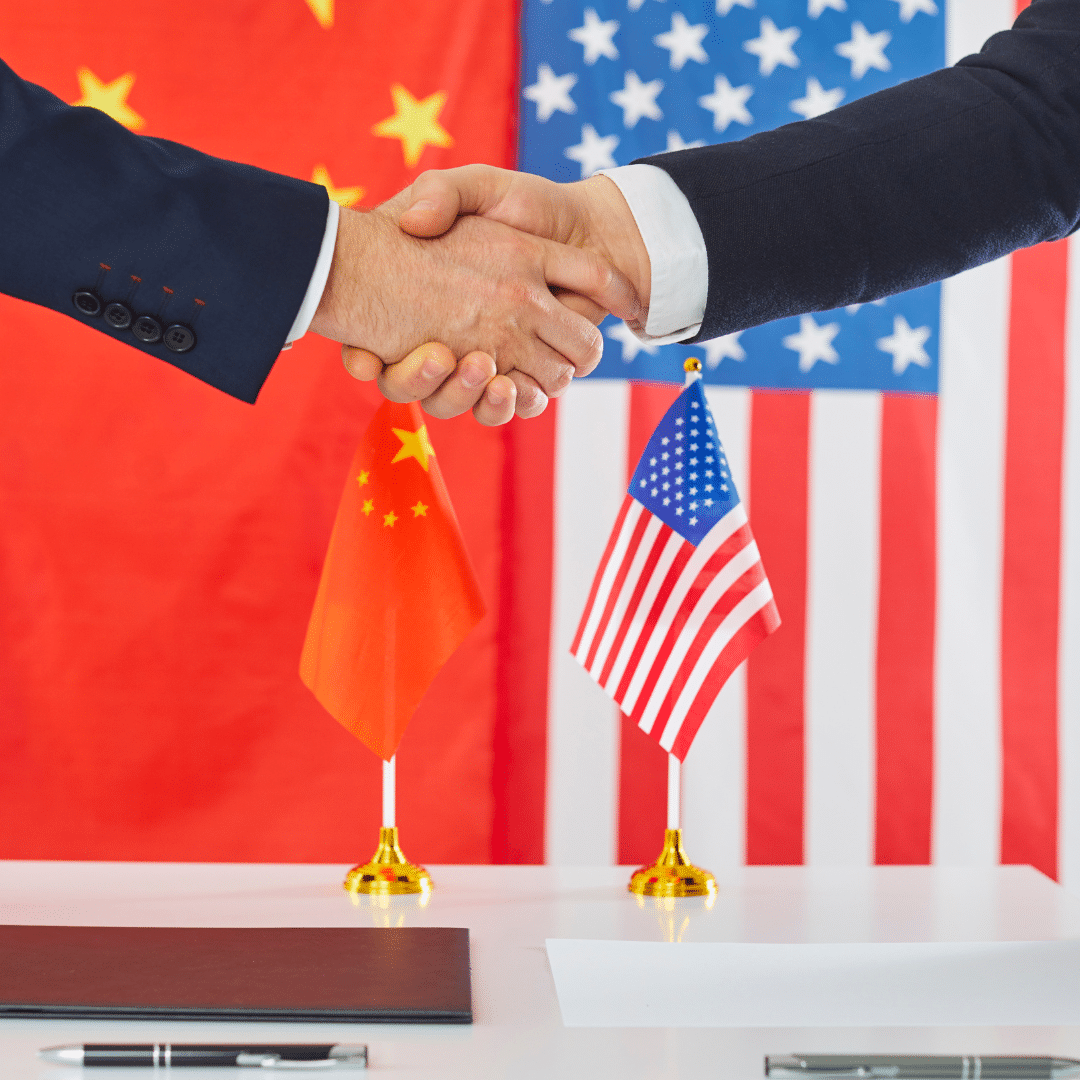
Current United States Tariff Rates and How to Navigate Them
Most Recent Update: March 17, 2026
SCOTUS strikes down IEEPA tariffs; 10% Section 122 global surcharge in effect through July 24, 2026 United States
What This Means The Supreme Court ruled on February 20 that IEEPA cannot be used to impose tariffs, wiping out the reciprocal and fentanyl-related duties from 2025. The White House immediately imposed a replacement 10% global tariff under Section 122, effective February 24. The President has announced plans to raise it to 15%, but no formal order has been issued. The surcharge expires July 24 unless Congress extends it. USMCA-qualifying goods and products already under Section 232 duties are exempt.
Why It Matters Country-specific rates are gone, replaced by a uniform floor. Importers who had high IEEPA rates may benefit, while those with negotiated framework deals may not. Refunds on previously paid IEEPA duties are expected, but the process is still being built by CBP.
How Importivity Helps We track the full duty stack by SKU, update your landed-cost models around the July expiration window, and advise on IEEPA refund eligibility and documentation.
USTR launches Section 301 investigations targeting 16 economies on excess capacity and 60 countries on forced labor United States (Section 301)
What This Means On March 11 and 12, USTR initiated two waves of Section 301 investigations. One targets structural manufacturing overcapacity in China, the EU, Japan, Mexico, Vietnam, India, and others. The second targets countries failing to ban forced-labor imports. Public comments are due April 15, with hearings in May. These investigations are expected to provide the legal basis for reimposing tariffs at or near pre-SCOTUS levels after Section 122 expires.
Why It Matters Section 301 tariffs have no rate cap and no expiration. Importers sourcing from any investigated economy should not assume current lower rates are permanent. New duties could arrive by late summer 2026.
How Importivity Helps We model your exposure across every investigated economy, help you engage in the public comment process, and build contingency sourcing plans before new duties land.
EU-US trade deal nears Parliament vote; CBAM enters enforcement phase European Union
What This Means The European Parliament is finalizing approval of the EU-US trade framework deal, with a vote expected by end of March. If ratified, U.S. tariffs on EU autos would drop from 27.5% to 15%. The deal includes sunset and suspension clauses tied to U.S. tariff behavior. Separately, the EU’s Carbon Border Adjustment Mechanism (CBAM) is expanding to imports in 2026, adding carbon-content-based costs to steel, aluminum, cement, and other industrial materials.
Why It Matters The framework deal could stabilize EU duty rates but remains fragile given Section 122 and potential Section 301 actions. CBAM introduces a new cost layer that can reshape sourcing economics for carbon-intensive goods.
How Importivity Helps We evaluate how the EU-US deal interacts with your Section 232 and Section 122 exposure, assess CBAM implications for your product categories, and identify alternative sourcing routes where they make financial sense.
USMCA review underway; compliant goods remain tariff-exempt; Mexico included in Section 301 probe Latin America & USMCA
What This Means USTR has launched the formal USMCA review process. Goods qualifying under USMCA rules of origin remain exempt from the Section 122 surcharge, making compliant Mexico and Canada sourcing one of the few tariff-free lanes available. However, Mexico is among the 16 economies targeted in the Section 301 excess capacity investigation, which could impose new duties on non-qualifying goods. Regional disruptions continue, including Ecuador’s 50% tariff on Colombian imports effective March 1.
Why It Matters USMCA compliance is now a major competitive advantage, but the review process could modify rules of origin, and Mexico’s Section 301 exposure means even nearshore sourcing carries risk.
How Importivity Helps We audit your USMCA qualification at the line-item level, stress-test your nearshore routes against the Section 301 timeline, and identify backup options if regional disruptions hit your supply chain.
Frequently Asked Questions
If you need further assistance, feel free to reach out to our team!
Why should I choose Made in America products for my business?
Made in America products offer unmatched IP protection, compliance with U.S. standards, and premium quality across industries like aerospace, textiles, plastics, and electronics. Domestic production also helps businesses strengthen their brand by emphasizing trust, transparency, and sustainability.
What are the downsides of sourcing products from U.S. manufacturers?
The main challenges are higher labor costs, longer lead times, and reliance on imported raw materials, which can raise overall pricing compared to overseas markets. However, for companies where consistency, quality, and IP security matter most, these trade-offs are often justified.
Which industries are strongest for U.S. manufacturing?
U.S. manufacturing shines in aerospace, defense, medical devices, CNC machining, performance textiles, and regulated plastics. These industries demand precision, compliance, and innovation—areas where American factories maintain a clear global edge.
How does reshoring benefit my supply chain?
Reshoring reduces logistics risks, currency fluctuations, and tariff exposure by moving production closer to your customers. It also offers better control over quality and faster turnaround times for niche or high-value orders. Importivity specializes in helping companies evaluate reshoring opportunities and even import U.S. manufacturing equipment to bring operations in-house.
Are Made in America products more expensive than overseas options?
Yes, American-made products typically carry higher unit costs, but the total cost of ownership often balances out. Lower risks of defects, reduced shipping times, tariff avoidance, and stronger IP protection can offset the upfront price difference.
Can Importivity help me find U.S. manufacturers?
Absolutely. We’ve helped brands like Whiskey Towers source custom wood taps domestically and supported companies importing equipment to scale U.S. production. Our team vets manufacturers, manages compliance, and helps you negotiate favorable terms.
How do tariffs impact Made in America sourcing decisions?
While U.S. sourcing avoids tariffs on finished goods, many raw materials are still imported and subject to tariffs. This can affect plastics, metals, and electronics components. Importivity helps clients plan around these costs with tariff-aware sourcing strategies.
What is the outlook for U.S. manufacturing in 2025 and beyond?
With automation, reshoring incentives, and trade tensions shifting global supply chains, U.S. manufacturing is set to grow in specialized, high-value sectors. Companies that prioritize quality, compliance, and IP security are increasingly investing in Made in America products.

Still have questions?
Our team is happy to help! Visit our Help Center or contact us directly.