




South Korea Product Sourcing
South Korea Builds What Others Can't Copy
Importivity manages supplier access, quality verification, and logistics so you can source from Korea’s advanced manufacturing base.
Sourcing from South Korea with Importivity
South Korea is not a cost play. It is a technology and quality play.
The country holds 73% of global DRAM production and 51% of NAND flash through Samsung and SK Hynix. It is home to Hyundai, Kia, LG, and a Tier 1 automotive supply chain that feeds OEMs worldwide. Korean cosmetics (K-beauty) dominate Amazon bestseller lists. Korean battery technology powers the EV transition. And total exports crossed $700 billion for the first time in 2025.
For buyers who need advanced components, high-tech manufacturing, or premium consumer products, South Korea offers capabilities that simply do not exist at the same level in lower-cost markets.
Importivity connects you with Korean manufacturers, manages quoting and negotiation, coordinates quality verification, and handles logistics. Korea’s business culture is relationship-driven and often difficult for foreign buyers to navigate alone. We bridge that gap.
Importivity connects you with Korean manufacturers, manages quoting and negotiation, coordinates quality verification, and handles logistics. Korea’s business culture is relationship-driven and often difficult for foreign buyers to navigate alone. We bridge that gap.
Why Source from South Korea?
Global Leader in Semiconductors and MemoryFabric to Fashion
What This Means for You
Samsung and SK Hynix control over 70% of the global DRAM market and more than half of NAND flash. Korea accounts for roughly 20% of worldwide semiconductor production capacity.
Why It Matters
If your product relies on memory chips, display drivers, or advanced packaging, Korea is where the supply chain starts.
World-Class Automotive Supply ChainGlobal Pharma Leader
What This Means for You
Korea’s auto industry exported $67 billion in vehicles and parts in 2024. Hyundai, Kia, and their Tier 1 suppliers produce everything from EV batteries and powertrains to sensors and interior electronics.
Why It Matters
Access to OEM-grade automotive components at competitive pricing with strong IP protection and proven export infrastructure.
K-Beauty and Cosmetics ManufacturingOEM-Ready Parts
What This Means for You
Korean beauty brands now outperform global giants on Amazon during major sales events. Korea’s cosmetics manufacturing ecosystem includes formulation, packaging, and private-label OEM production at scale.
Why It Matters
For beauty brands seeking innovative formulations, advanced skincare ingredients, or turnkey OEM/ODM production, Korea is the industry’s innovation hub.
Battery and EV TechnologySpecialty at Scale
What This Means for You
LG Energy Solution, Samsung SDI, and SK On are among the world’s largest EV battery manufacturers. Korea’s battery supply chain includes cathode materials, cell production, and pack assembly.
Why It Matters
For companies in the EV, energy storage, or portable electronics space, Korean battery technology and manufacturing scale are globally leading.
Strongest IP Protection in AsiaLow-Cost Apparel Base
What This Means for You
Korea’s IP enforcement is among the most robust in Asia, on par with Japan and well ahead of China, Vietnam, or India. Patent, trademark, and trade secret protections are consistently enforced.
Why It Matters
If your product involves proprietary technology, sensitive tooling, or patented designs, Korea is one of the safest manufacturing environments in the region.
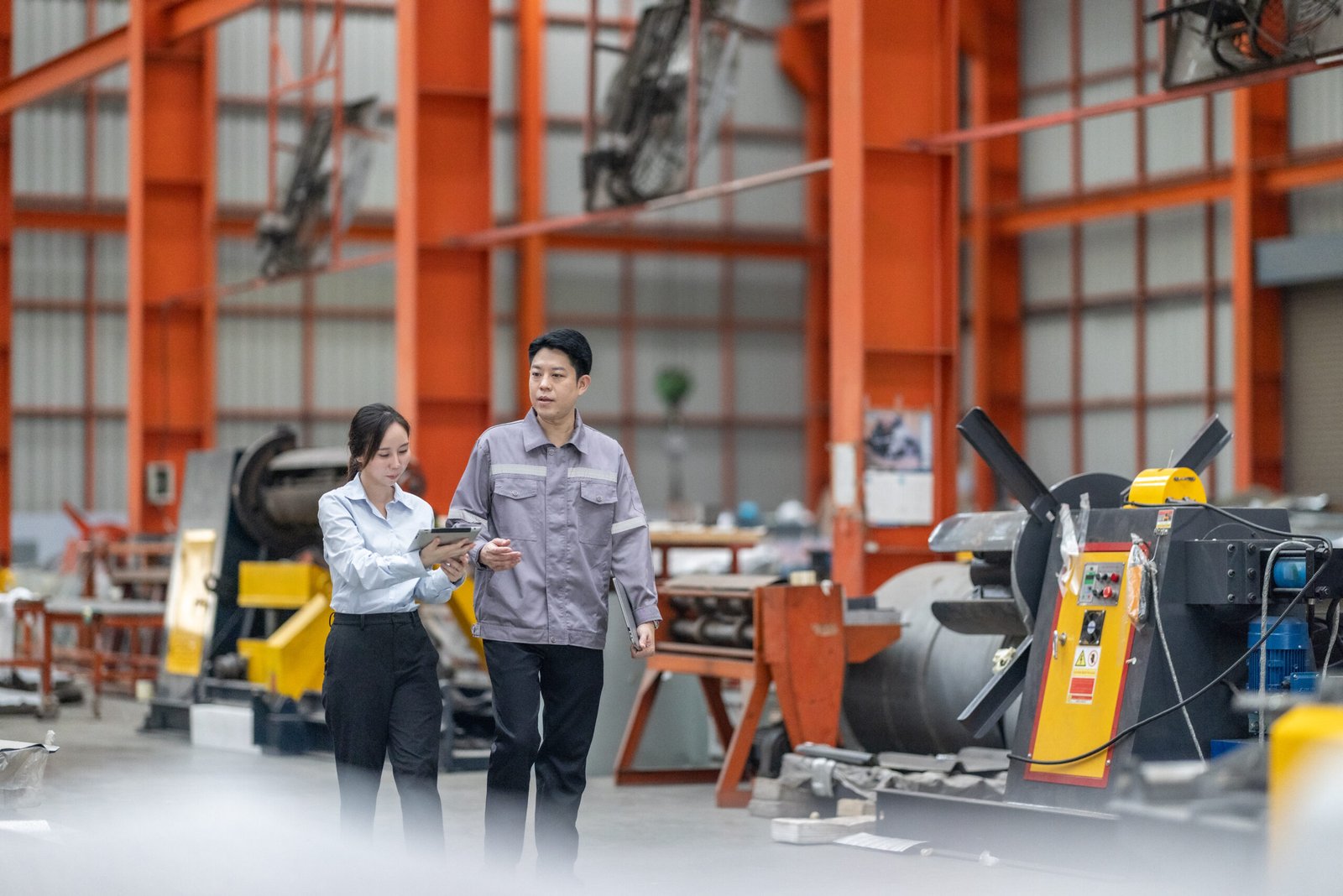
How Pakistan South Korea Globally
South Korea vs China
China wins on scale, cost, and manufacturing breadth. Korea wins on semiconductor technology, display quality, automotive precision, and IP protection. For advanced components and high-tech products, Korea is the stronger choice.
South Korea vs Japan
Both excel in precision manufacturing and IP protection. Korea is stronger in memory semiconductors, displays, and cosmetics. Japan is stronger in precision machining, robotics, and specialty materials. Complementary more than competitive.
South Korea vs Taiwan
Taiwan leads in logic chip foundry (TSMC). Korea leads in memory and integrated device manufacturing. For DRAM, NAND, and OLED, Korea is the primary source. For advanced logic fabrication, Taiwan is ahead.
South Korea vs Vietnam
Vietnam offers dramatically lower labor costs. Korea offers advanced technology manufacturing that Vietnam’s industrial base cannot yet support. Different tiers entirely.
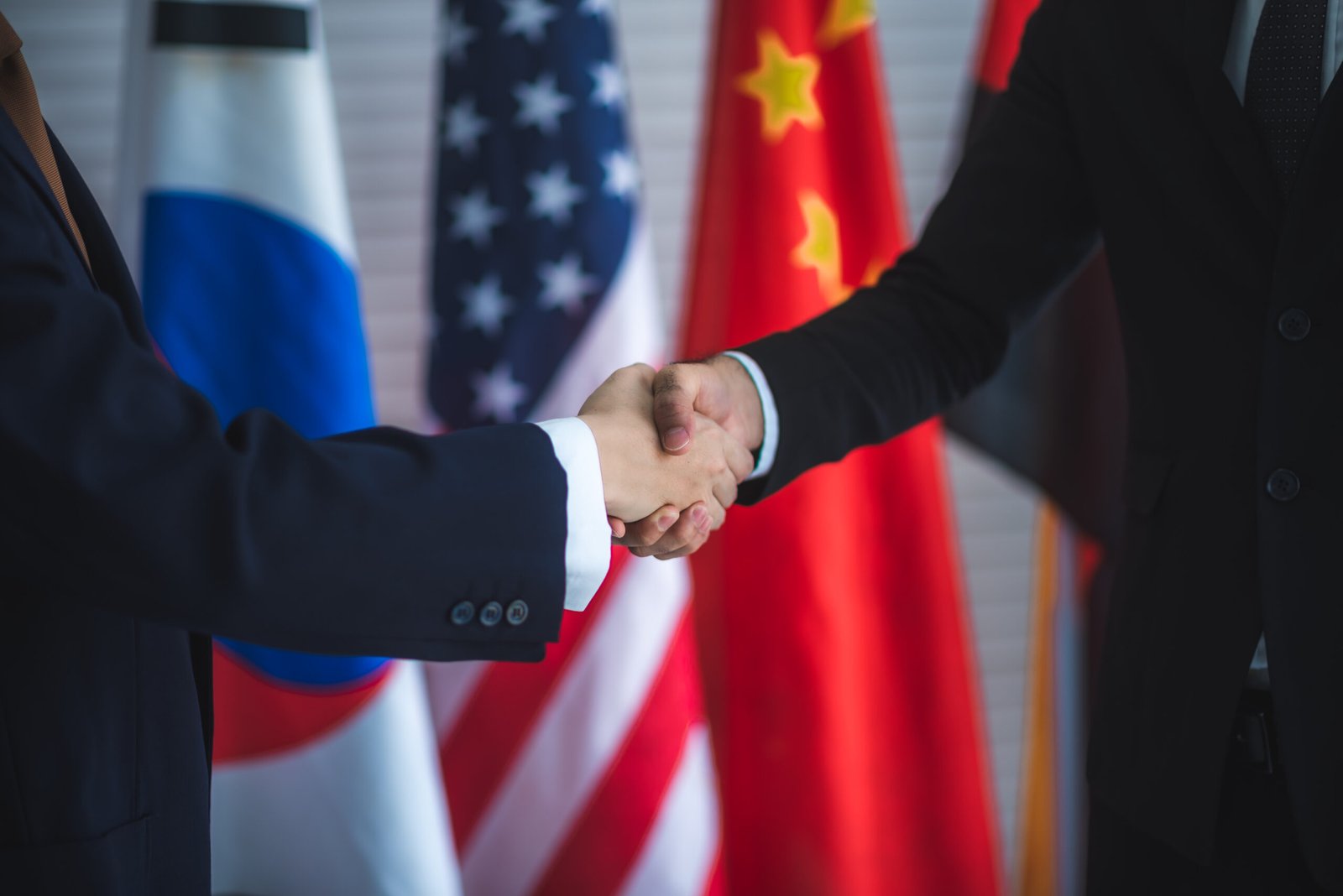
Importivity Services in South Korea
Korea’s manufacturers produce at the highest level. The challenge for foreign buyers is access. Korean business culture prioritizes long-term relationships, introductions matter, and communication norms differ from Western expectations. Language barriers compound the difficulty.
Importivity handles supplier identification, relationship management, quoting, quality verification, and freight coordination. We give you access to Korea’s advanced manufacturing base without requiring you to navigate the market alone.
Sourcing Company Case Studies
Real examples of how our sourcing company delivers results across industries and markets.
Frequently Asked Questions
If you need further assistance, feel free to reach out to our team!
Why source from South Korea instead of China?
Korea is the choice when your product requires advanced semiconductors, premium displays, OEM-grade automotive components, or strong IP protection. China wins on cost and scale. Korea wins on technology and quality.
What can Importivity source in South Korea?
Semiconductors, automotive and EV components, cosmetics (OEM/ODM), batteries, display technology, electronics components, shipbuilding equipment, and heavy industrial products.
Is South Korea expensive?
Unit costs are higher than China, Vietnam, or India. But for products where technology, quality, or IP protection drive total cost of ownership, Korea is often the most cost-effective choice.
What are current U.S. tariffs?
Most Korean goods face a 15% tariff under the bilateral trade deal. Automotive products are at 15% inclusive. Semiconductors and pharmaceuticals receive MFN treatment. Steel, aluminum, and copper face 50% Section 232 tariffs.
What are typical lead times?
Production varies by complexity. Ocean freight from Busan to U.S. West Coast takes roughly 2 weeks. Total timelines range from 4 to 10 weeks for most products.
How does Importivity handle the language and culture barrier?
We manage all supplier communication, negotiation, and documentation. Korean business culture rewards relationship depth and patience. We handle the relationship so you get clear reporting in English.
Can I combine Korea with other sourcing countries?
Yes. Many clients source advanced components from Korea and production-volume goods from China or Vietnam. Importivity manages multi-country strategies.
How do I start?
Submit a sourcing request or book a call. We assess fit and provide a cost breakdown before you commit.

Still have questions?
Our team is happy to help! Visit our Help Center or contact us directly.