




Cotton, Craftsmanship, and Cost.
Pakistan Sourcing Done Right
Pakistan’s strengths are concentrated and real: textiles, surgical instruments, sporting goods, and leather. Importivity connects you with verified suppliers and manages quality, compliance, and logistics.
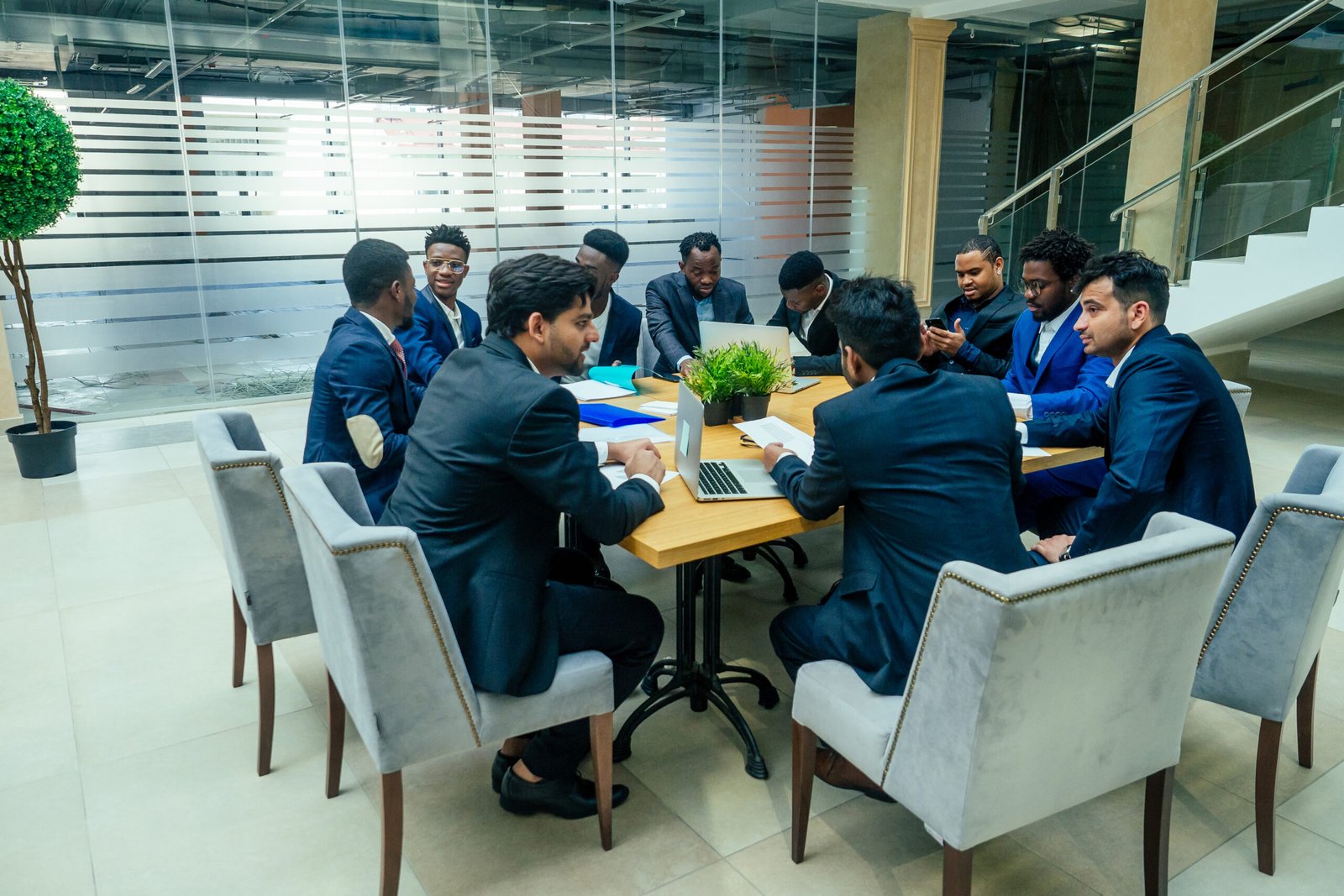
Sourcing from Pakistan with Importivity
Pakistan is the 4th largest cotton producer in the world and the 8th largest textile exporter in Asia. Textiles account for roughly 60% of total export revenue and over 75% of exports to the United States. This is not a diversified manufacturing economy. It is a deeply specialized one.
Beyond textiles, Pakistan dominates in surgical instruments, sporting goods, and leather. Sialkot alone produces 70% of the world’s hand-stitched footballs and is a major surgical tool manufacturing hub.
The challenges are real: energy reliability, infrastructure gaps, and supplier variance require hands-on management. Importivity vets manufacturers across Pakistan’s key clusters, manages negotiation, coordinates inspections, and organizes freight.
Importivity helps you navigate this patchwork. We identify the right country and supplier, manage vetting and negotiation, coordinate inspections, and handle logistics across the region.
Why Source from Pakistan?
Cotton-to-Garment Vertical IntegrationFabric to Fashion
What This Means for You
Pakistan controls the full textile value chain from cotton harvesting through spinning, weaving, dyeing, and garment assembly. Leading mills handle everything under one roof.
Why It Matters
One supplier, one accountability chain. Shorter production cycles and less coordination overhead.
Among the Lowest Production Costs GloballyGlobal Pharma Leader
What This Means for You
Production costs are competitive with Bangladesh and below India, Vietnam, and China for comparable textile products.
Why It Matters
For cotton apparel and home textiles, Pakistan’s pricing is difficult to beat without sacrificing quality.
World-Class Niche Manufacturing (Sialkot)OEM-Ready Parts
What This Means for You
Sialkot produces surgical instruments, sporting goods, leather goods, and technical apparel for Nike, Adidas, and major medical device companies. Over 3,000 enterprises operate in this single city.
Why It Matters
For these categories, Pakistan offers expertise and production infrastructure that is hard to find at comparable cost.
Established Export Relationships with Western BuyersSpecialty at Scale
What This Means for You
Pakistani manufacturers already supply H&M, Target, Primark, and dozens of major retailers. Export infrastructure, compliance familiarity, and English-language communication are in place.
Why It Matters
You are tapping into a proven export pipeline, not pioneering a new sourcing market.
Growing Investment in Sustainable ManufacturingLow-Cost Apparel Base
What This Means for You
Leading mills are investing in LEED-certified facilities, solar power, water-saving dyeing technology, and organic cotton. Interloop operates one of the highest-scoring LEED Platinum apparel plants in the country.
Why It Matters
If your brand requires sustainability documentation or ESG compliance, Pakistan’s top manufacturers are equipped to deliver.
How Pakistan Compares Globally
Pakistan vs Bangladesh
Bangladesh has lower garment assembly costs and stronger EU trade preferences. Pakistan offers deeper vertical integration, stronger cotton textile quality, and broader product diversity (surgical, sporting goods, leather).
Pakistan vs India
India offers broader manufacturing diversity. Pakistan is more competitive on cotton textiles specifically, with lower costs and strong vertical integration. For cotton home textiles and apparel, Pakistan often wins on price.
Pakistan vs Vietnam
Vietnam has stronger trade agreement access (CPTPP, EVFTA) and growing synthetics capacity. Pakistan is stronger in cotton products with lower labor costs.
Pakistan vs China
China dominates in scale and breadth. Pakistan wins on cotton textile pricing, surgical instruments, and hand-crafted sporting goods where China’s cost advantage has eroded.

Importivity Services in Pakistan
Pakistan’s top manufacturers are world-class. The challenge is finding them and managing quality consistently. Energy disruptions, logistics constraints, and wide variance between factory tiers make hands-on management essential.
Importivity identifies the right manufacturers, handles negotiation, coordinates on-site inspections, manages compliance, and organizes freight from Pakistani ports to your warehouse.
Sourcing Company Case Studies
Real examples of how our sourcing company delivers results across industries and markets.
Frequently Asked Questions
If you need further assistance, feel free to reach out to our team!
Why should I consider sourcing from Pakistan?
Among the lowest production costs for cotton textiles, full vertical integration, and world-class niche manufacturing in surgical instruments, sporting goods, and leather.
What can Importivity source in Pakistan?
Cotton textiles, home textiles, denim, knitwear, surgical instruments, sporting goods, leather goods, and rice.
How does quality compare?
Top-tier mills meet global standards and supply major Western brands. Variance across the supplier base is significant. Independent vetting and inspection are essential. Importivity provides both.
What are current U.S. tariffs?
The bilateral trade deal reduced tariffs on key exports. A temporary 15% Section 122 surcharge applies through mid-2026. Steel and aluminum face 50% Section 232 tariffs. Pharmaceuticals are exempt.
What are typical lead times?
Production runs 3 to 8 weeks. Ocean freight from Karachi to U.S. East Coast takes 4 to 5 weeks. Total timelines run 8 to 13 weeks.
Is Pakistan good for small orders?
Depends on the product. Larger textile mills require meaningful minimums. Sialkot-based surgical and sporting goods manufacturers are often more flexible.
Can I source from Pakistan and other countries?
Yes. Many clients pair Pakistan for cotton textiles and niche products with China, Vietnam, or India for other categories. Importivity manages multi-country strategies.
How do I get started?
Submit a sourcing request or book a call. We assess fit and provide a cost breakdown before you commit.

Still have questions?
Our team is happy to help! Visit our Help Center or contact us directly.