





Mexico Manufacturer Connections
Discover why Mexico is quickly becoming the top choice for U.S. companies seeking nearshore manufacturing, tariff protection, and faster lead times. Importivity helps you tap into Mexico’s strengths while avoiding common pitfalls.
Importivity helps you tap into Mexico’s strengths while avoiding common pitfalls.
Nearshore Manufacturing in Mexico
Because of geographical proximity to the U.S., Mexico offers one of the strongest nearshore manufacturing options.
-
Lead times
Cross-border trucking in 1–7 days (vs weeks for transpacific shipping) -
Lower freight cost
Less risk of supply chain delay -
Easier logistics
Fewer customs steps, reduced transit distance -
Examples
Factories in northern Mexico shipping directly to U.S. states, border crossing efficiency
Doing Business in Mexico is Easier Than You Think
Mexico is one of the most accessible sourcing destinations for U.S. companies.
No Visa Required for U.S. Citizens
Traveling to Mexico for business is hassle-free. U.S. citizens can enter without a visa, making factory visits and supplier meetings far easier than in Asia.
Affordable, Direct Flights
With flights as low as $100 and only 2–3 hours from most U.S. hubs, Mexico is the most accessible international manufacturing destination for American businesses.
Cultural Compatibility & Communication
Mexico offers a smoother cultural fit than many overseas markets. English is common in manufacturing sectors, reducing misunderstandings and speeding negotiations.
Border Infrastructure Built for Trade
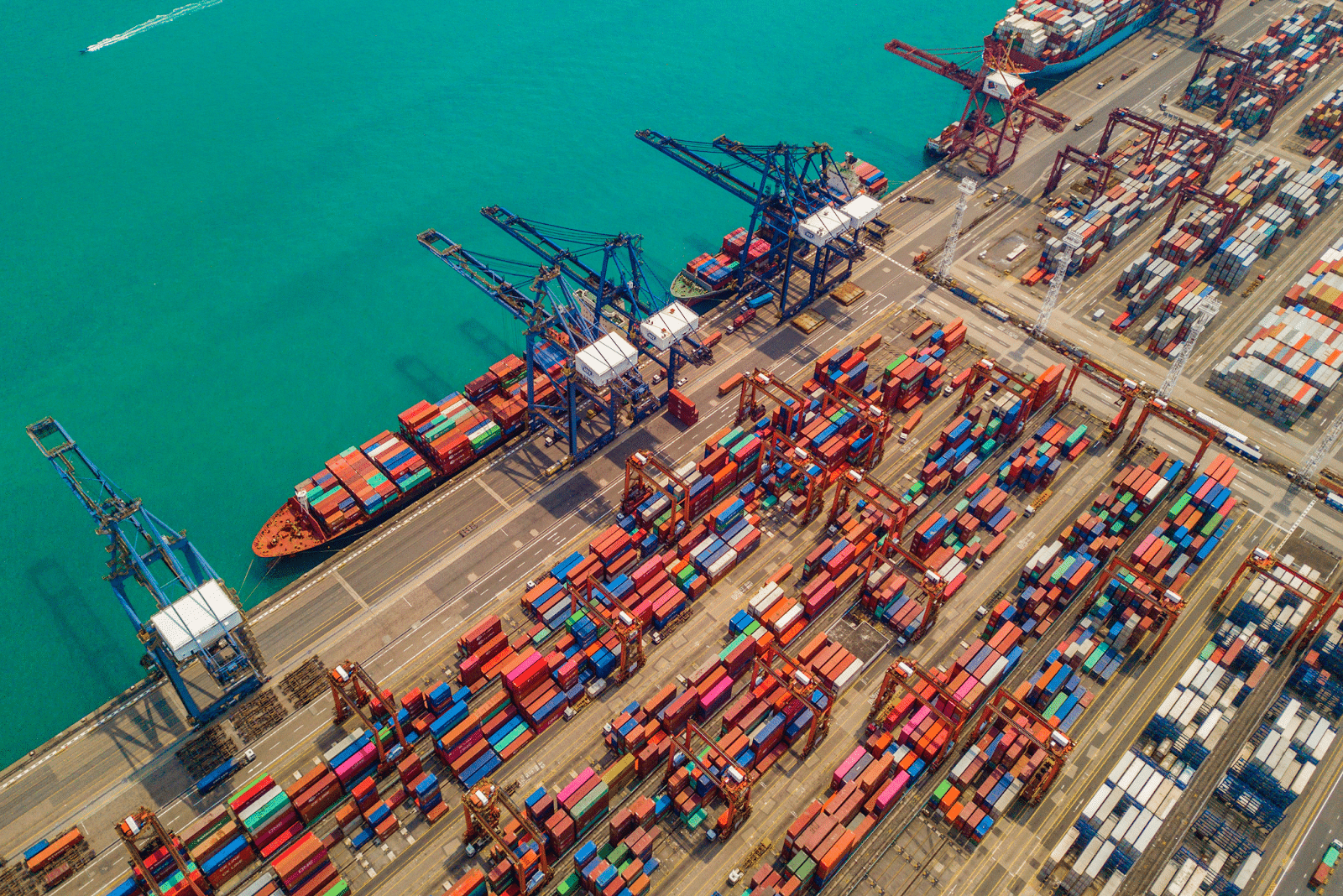
The U.S.-Mexico border is optimized for cross-border commerce, with well-established trucking routes, ports, and customs systems that simplify logistics and reduce delays.
Book A Call Now
Talk to a sourcing strategist and walk away with an action-ready checklist.
Case Study from Mexico
Explore a case study where the Importivity team helped a client source a manufacturer from Mexico.
Case Study: Importing $10M+ in Custom Ironwork from Monterrey, Mexico
How Importivity helped a Dallas-based home builder streamline cross-border sourcing and scale to 40+ containers a year of high-end custom metal products.
The Challenge
Quality · Cost · Lead Times
The Solution
Monterrey Partners
End-to-End Ops
The Results
Scale · Speed · Cost
Why It Worked
Nearshoring Advantages
Industries We Specialize in Within Mexico
Industries Where Mexico Sets the Global Standard
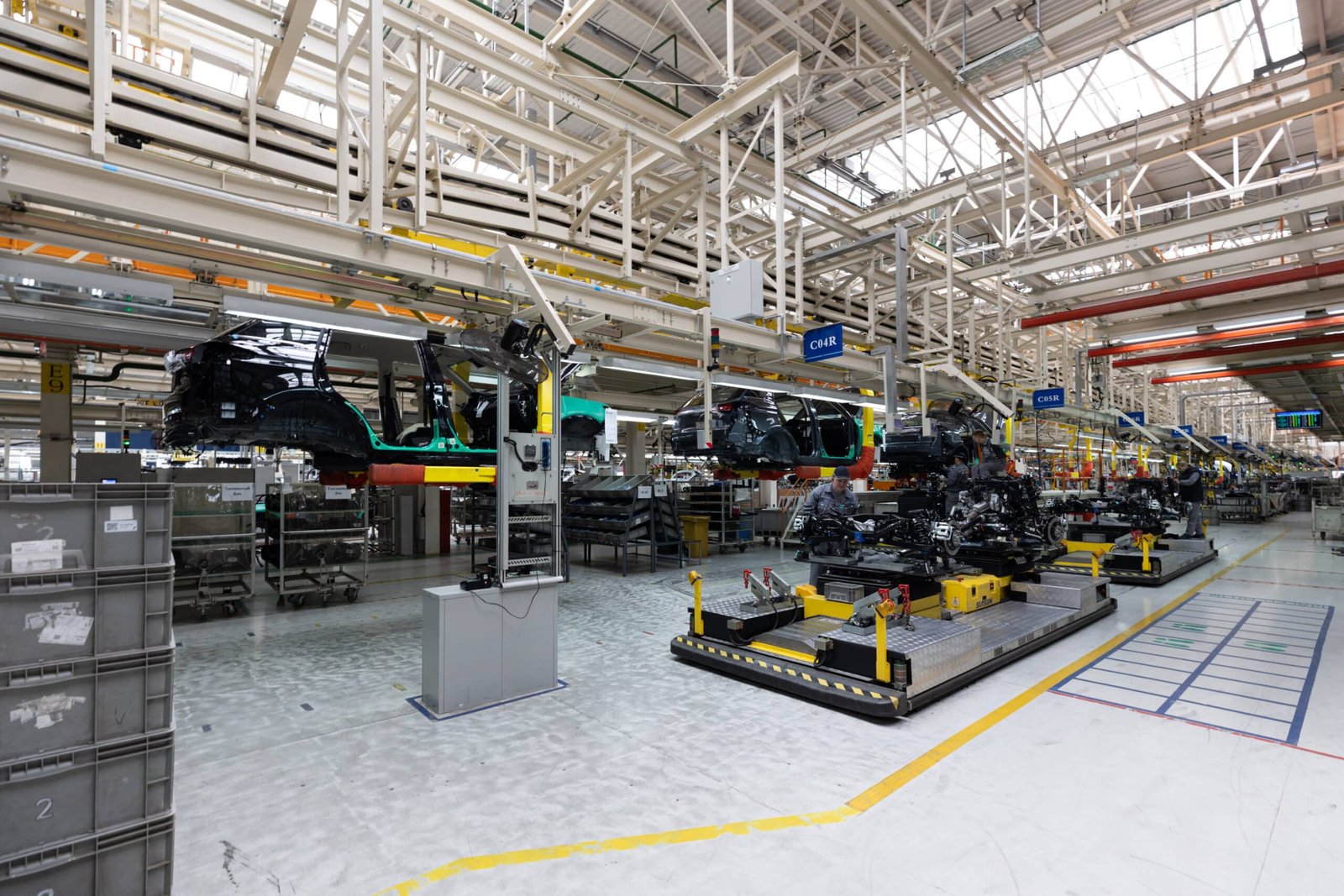
From automotive metals to consumer plastics, Mexico’s manufacturing base is diverse and growing. Importivity connects U.S. businesses with vetted factories in metals, plastics, electronics, and textiles—helping you cut costs, shorten lead times, and leverage USMCA trade advantages.
Plastics
Winner: Mexico (for nearshore automotive & consumer goods)
Mexico’s plastics sector is strong in automotive parts and consumer goods, benefiting from U.S. proximity and tariff-free trade.
China’s Edge
Complex molds and ultra-high-volume runs still favor China’s scale and tooling speed.
Metals
Winner: Mexico (for aerospace & automotive supply chains)
Mexico is a powerhouse for automotive and aerospace metals, supported by precision machining and tight integration with North American OEMs.
China’s Edge
Lower costs for commodity metals and massive supplier networks.
Electronics
Winner: China (for scale, but Mexico is emerging)
China remains the undisputed leader in electronics. However, Mexico is expanding in consumer electronics assembly, where shorter shipping times and reduced tariffs outweigh cost differences.
Mexico’s Edge
Best for brands prioritizing speed-to-market in North America.
Textiles
Winner: Vietnam (for fast fashion, but Mexico fills a niche)
Mexico specializes in niche apparel runs, technical wear, and rapid delivery cycles for U.S. buyers. While labor costs are higher than Vietnam, nearshore production cuts turnaround times dramatically.
Vietnam’s Edge
Best for cost-sensitive, high-volume fashion runs.

How These Resources Fit Into Your Strategy
Each of these resources can be used on its own but they’re most powerful when applied together as part of a streamlined sourcing process.
BOM Template
Use the BOM Template to organize your product specs.
RFQ Template
Follow with the RFQ Template to collect accurate supplier quotes.
Factory Visit Checklist
Visit suppliers using the Factory Visit Checklist.
Supplier Onboarding Checklist
Once you select a partner, implement the Supplier Onboarding Checklist.
Product Sourcing Guide
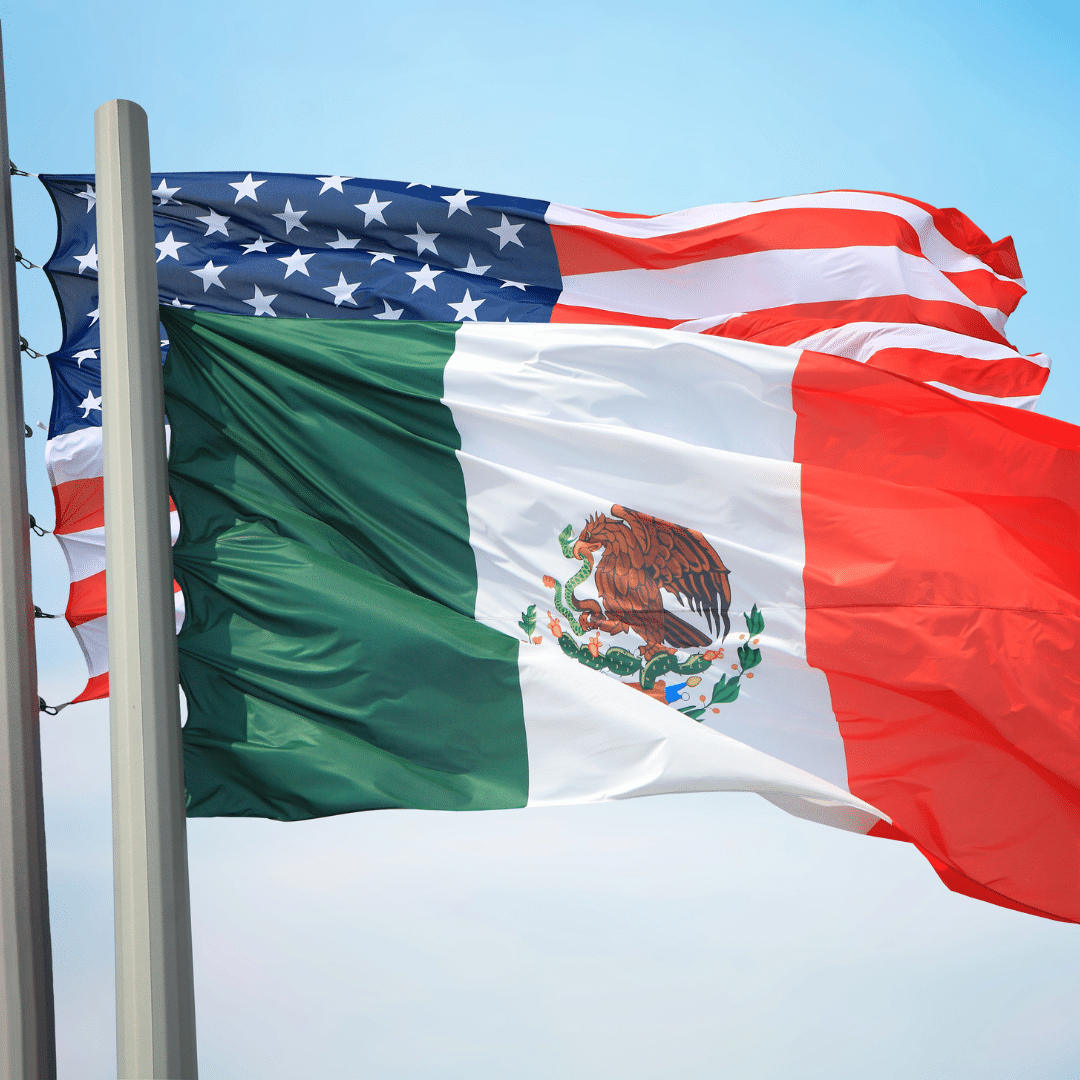
Current Tariffs on Mexico Imports
Updated March 17, 2026
Temporary U.S. Import Surcharge Now Applies (10% for 150 days) Mexico → U.S.
What This Means
A temporary 10% ad valorem import surcharge is in effect under Section 122 authority for a limited duration (150 days), with specific exceptions defined in the proclamation and implementation guidance.
Why It Matters
Even if your Mexico-origin product normally enters at low or zero duty under USMCA, this creates a new baseline duty layer that can change landed cost quickly, especially for quotes and open POs that assumed “USMCA means zero.”
How Importivity Helps
We rebuild your duty stack by SKU (MFN or USMCA + surcharge + any product measures + fees), then flag which shipments need re-quoting, re-timing, or sourcing adjustments before you ship.
USMCA Preference Still Matters, but Eligibility Scrutiny is Rising Mexico ↔ U.S.
What This Means
USMCA preferential treatment remains the core pathway for duty reduction when goods qualify, but current negotiations and political pressure are focused on tightening rules of origin and reducing “third-country” content entering the U.S. via Mexico.
Why It Matters
If your BOM, production steps, or supplier chain creates origin ambiguity, you face higher risk of denied preference, audits, and surprise duty exposure. This is especially relevant for factories in Mexico with significant non North America inputs.
How Importivity Helps
We map origin eligibility early (BOM and process review), harden documentation for broker files, and design a compliant sourcing plan that holds up under stricter enforcement.
High-impact Sector Measures Still in the Mix (Steel, aluminum, autos, trucks) Mexico ↔ U.S.
What This Means
Recent reporting has described additional U.S. tariffs affecting major Mexico-to-U.S. export sectors, including steep duties on steel and aluminum and tariffs affecting vehicles, even as USMCA review talks proceed.
Why It Matters
If you import inputs tied to automotive or metal-intensive supply chains, tariff exposure may not track “normal” USMCA assumptions. These measures can drive price volatility, lead-time shifts, and supplier renegotiations.
How Importivity Helps
We identify hidden exposure in upstream inputs (steel and aluminum content, auto supply chain parts), run scenario pricing, and build a diversification plan so you are not dependent on a single lane.
Frequently Asked Questions
If you need further assistance, feel free to reach out to our team!
Why should U.S. companies consider Mexico for manufacturing connections?
Mexico offers a unique blend of geographic proximity, cost savings, and trade advantages under the USMCA. For U.S. businesses, this means shorter lead times, lower freight costs, and tariff benefits compared to Asia. With a strong base in metals, plastics, electronics, and textiles, Mexico has become one of the most strategic alternatives to China for companies looking to diversify supply chains.
What industries are strongest for Mexico manufacturing?
Mexico excels in automotive metals, aerospace machining, consumer plastics, textiles, and electronics assembly. Its position as a nearshore hub means it can support both high-volume production and custom, niche manufacturing. Importivity specializes in helping clients identify the right factory connections within these industries while balancing cost, quality, and scalability.
Mexico excels in automotive metals, aerospace machining, consumer plastics, textiles, and electronics assembly. Its position as a nearshore hub means it can support both high-volume production and custom, niche manufacturing. Importivity specializes in helping clients identify the right factory connections within these industries while balancing cost, quality, and scalability.
How do tariffs affect manufacturing in Mexico?
As of September 2025, U.S. imports from Mexico face 25% tariffs on most goods unless they comply with USMCA rules of origin, which exempt qualifying products. Additionally, a 90-day moratorium on 30% tariff increases was recently extended, providing relief to many U.S. importers. Working with Importivity ensures your sourcing strategy leverages tariff-compliant factories and takes advantage of USMCA benefits.
How does nearshoring to Mexico compare to manufacturing in China or Vietnam?
Nearshoring to Mexico significantly reduces shipping time, logistics complexity, and communication barriers. While China still dominates in scale and advanced electronics, and Vietnam in low-cost textiles, Mexico provides faster delivery to U.S. markets, fewer cultural barriers, and strong trade protections. For many companies, Mexico represents the best balance between cost and convenience.
What are the challenges of working with manufacturers in Mexico?
The biggest challenges are slightly higher labor costs than Asia, limited raw materials (often imported from other countries), and occasional capacity constraints in high-demand industries. However, the benefits of shorter lead times, reduced logistics risk, and tariff savings often outweigh these challenges for U.S. companies.
How can Importivity help me connect with the right manufacturers in Mexico?
Importivity provides end-to-end support: sourcing vetted factories, managing supplier negotiations, ensuring compliance with USMCA, and coordinating inspections, logistics, and customs. We also leverage our long-standing factory partnerships (including “sister factories” in Mexico created to avoid tariffs) to give clients a direct advantage.

Still have questions?
Our team is happy to help! Visit our Help Center or contact us directly.