





Eastern European Sourcing
Source from Eastern Europe, Turkey, and North Africa Without Flying Blind
EU-compliant production, competitive pricing, and faster lead times to Western markets. Importivity connects you with verified suppliers and manages quality, compliance, and logistics across the region.
Sourcing from Eastern Europe and Near-Region Markets with Importivity
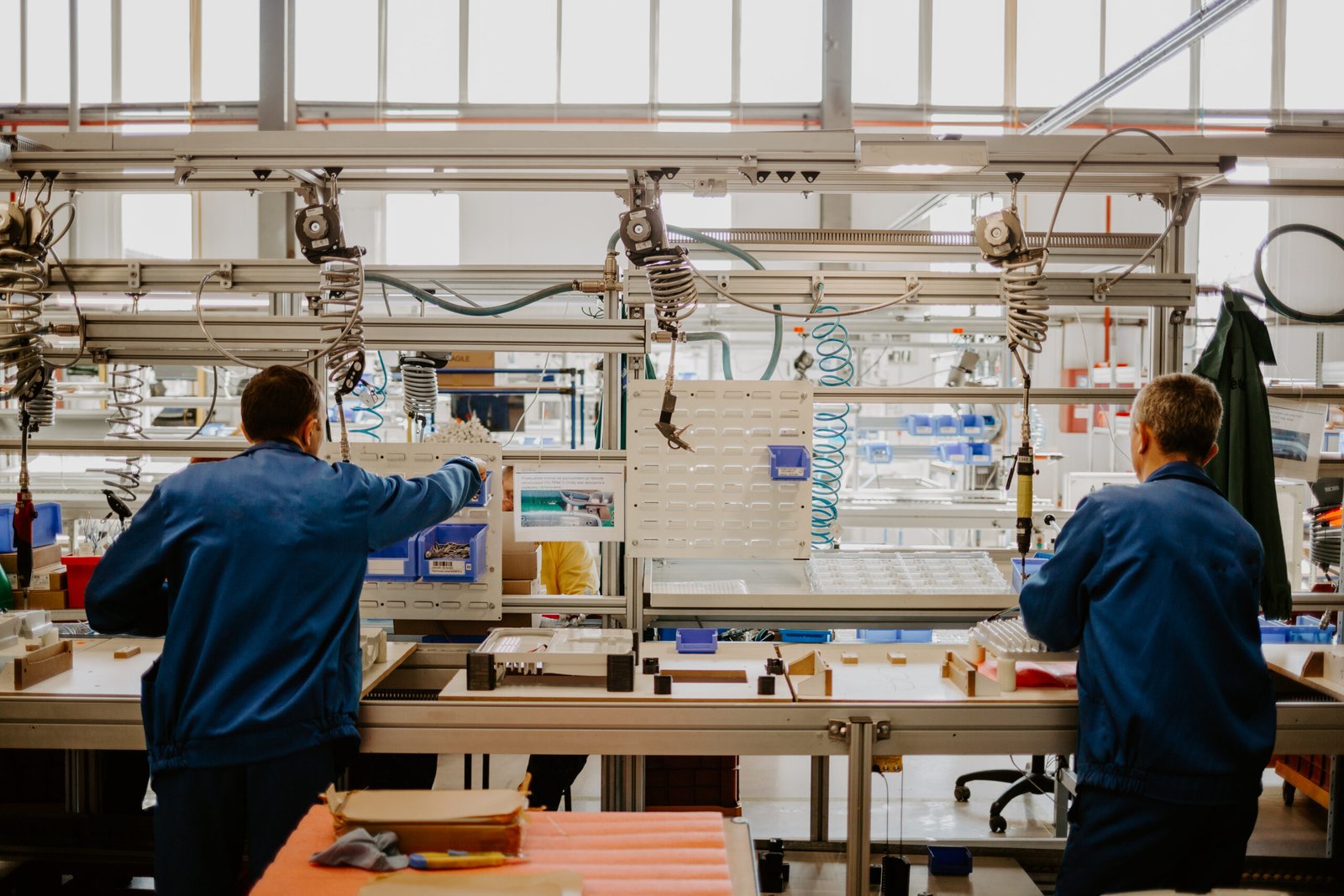
This is not a single manufacturing market. It is a network of specialized production hubs stretching from Poland and Romania through Turkey and into Egypt and North Africa. What ties them together is EU-adjacent quality standards, competitive labor costs, and shorter shipping routes to Western markets.
Turkey is the anchor: vertically integrated textiles, industrial machinery, automotive components, white goods, and furniture. Poland, Czech Republic, Hungary, and Romania bring EU-compliant manufacturing for automotive, electronics, and engineered components. Egypt and North Africa offer low-cost textile production with duty advantages on certain U.S.-bound exports.
Importivity helps you navigate this patchwork. We identify the right country and supplier, manage vetting and negotiation, coordinate inspections, and handle logistics across the region.
Importivity helps you navigate this patchwork. We identify the right country and supplier, manage vetting and negotiation, coordinate inspections, and handle logistics across the region.
Why Source from Eastern Europe, Turkey, and North Africa?
India offers a combination of cost, scale, and workforce depth that very few countries can match.
Faster Lead Times to Western MarketsFabric to Fashion
What This Means for You
Shipping from Turkey to the U.S. East Coast takes roughly 2 to 3 weeks. EU member states offer even faster transit to European customers. Compare that to 4 to 6 weeks from Asia.
Why It Matters
Shorter lead times mean faster inventory turns, less capital in transit, and the ability to respond to demand shifts without waiting on ocean freight from Asia.
EU-Compliant Manufacturing (Central and Eastern Europe)Global Pharma Leader
What This Means for You
Poland, Czech Republic, Hungary, and Romania operate under full EU regulatory frameworks. CE marking, REACH compliance, and ISO standards are baseline.
Why It Matters
If your product requires EU certification, sourcing from EU member states eliminates compliance risk that comes with Asian manufacturing.
Turkey's Vertically Integrated Manufacturing BaseOEM-Ready Parts
What This Means for You
Turkey produces raw materials, processes them, and manufactures finished goods domestically across textiles, automotive, machinery, furniture, and white goods.
Why It Matters
You are not dependent on raw material imports from a third country. Turkish manufacturers go from fiber to finished garment, or steel to finished component, within one supply chain.
Cost-Competitive Labor Across the RegionSpecialty at Scale
What This Means for You
Labor costs in Turkey, Romania, Bulgaria, and Egypt are significantly lower than Western Europe and competitive with parts of Southeast Asia. Turkey offers pricing roughly 20 to 30% below Western European manufacturers.
Why It Matters
For labor-intensive products, this region offers a middle ground between Asian pricing and Western quality expectations.
North Africa as a Low-Cost Textile HubLow-Cost Apparel Base
What This Means for You
Egypt, Morocco, and Tunisia are growing as textile production centers. Many Turkish companies operate assembly facilities in Egypt, combining Turkish fabric with Egyptian labor costs. Some Egyptian exports to the U.S. carry duty advantages.
Why It Matters
For high-volume apparel, North Africa offers an alternative to Bangladesh and Vietnam with shorter transit to U.S. and European markets.
Strategic Diversification Away from AsiaReduce Supply Chain Risk
What This Means for You
Concentrating your supply chain in China or Southeast Asia creates risk. This region offers a geographically diversified alternative without sacrificing manufacturing capability.
Why It Matters
Tariff volatility, shipping disruptions, and geopolitical tension are real. Production capacity here reduces your exposure.
How This Region Compares Globally
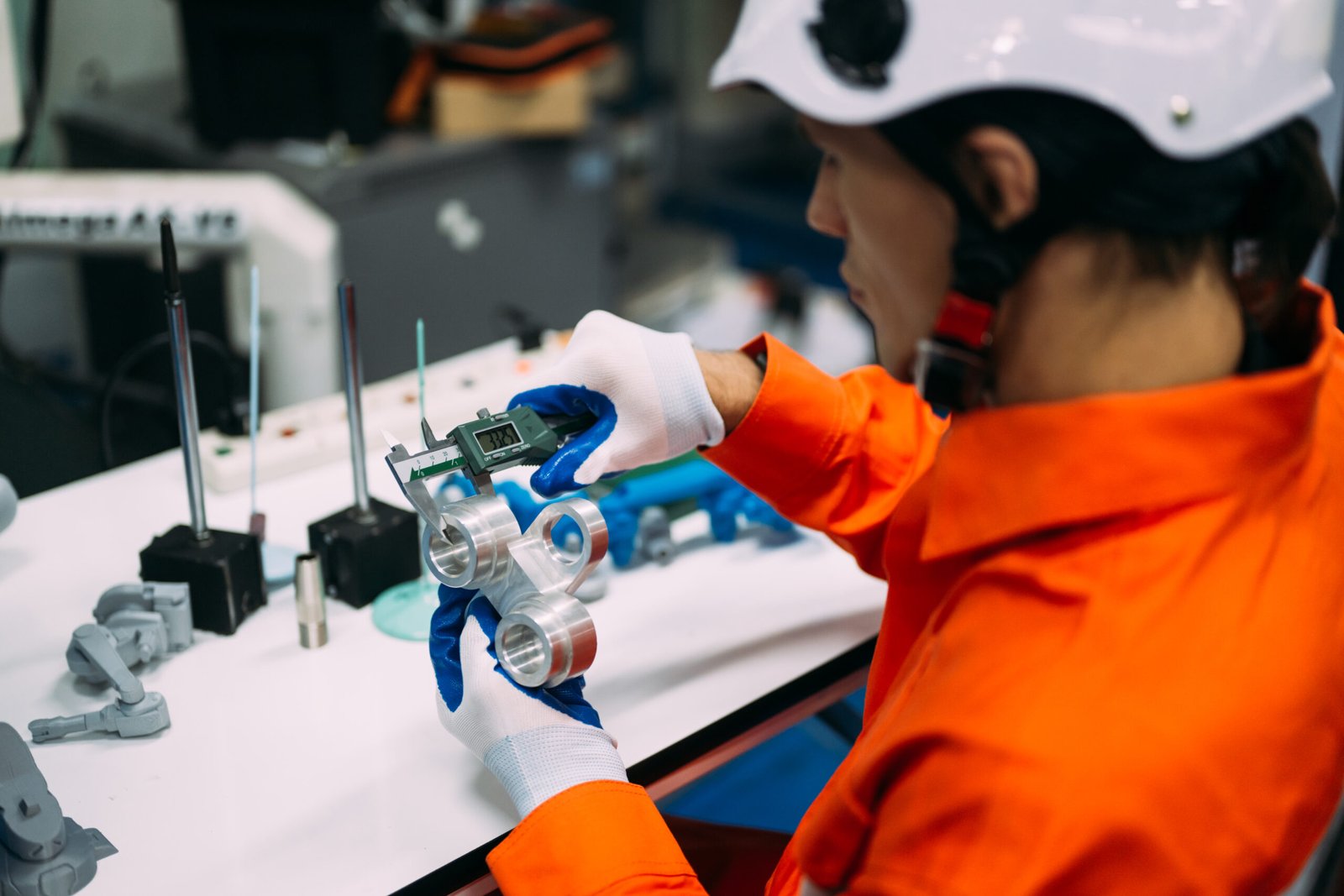
Eastern Europe vs China
China wins on scale and supplier density. Eastern Europe and Turkey win on EU compliance, shorter transit, and diversification. For EU-bound products or a China+1 strategy, this region is a strong complement.
Turkey vs Vietnam
Vietnam offers lower labor costs and trade agreement access. Turkey offers vertical integration, faster Western delivery, and deeper capability in textiles, machinery, and automotive.
Turkey vs India
India wins on pharma, chemicals, and raw textile cost. Turkey wins on finished textile quality, speed, and proximity to EU and U.S. markets.
Eastern Europe vs Mexico
Mexico wins on USMCA access and speed to the U.S. Eastern Europe wins on EU compliance and European market access. The choice depends on whether your primary market is North America or Europe.
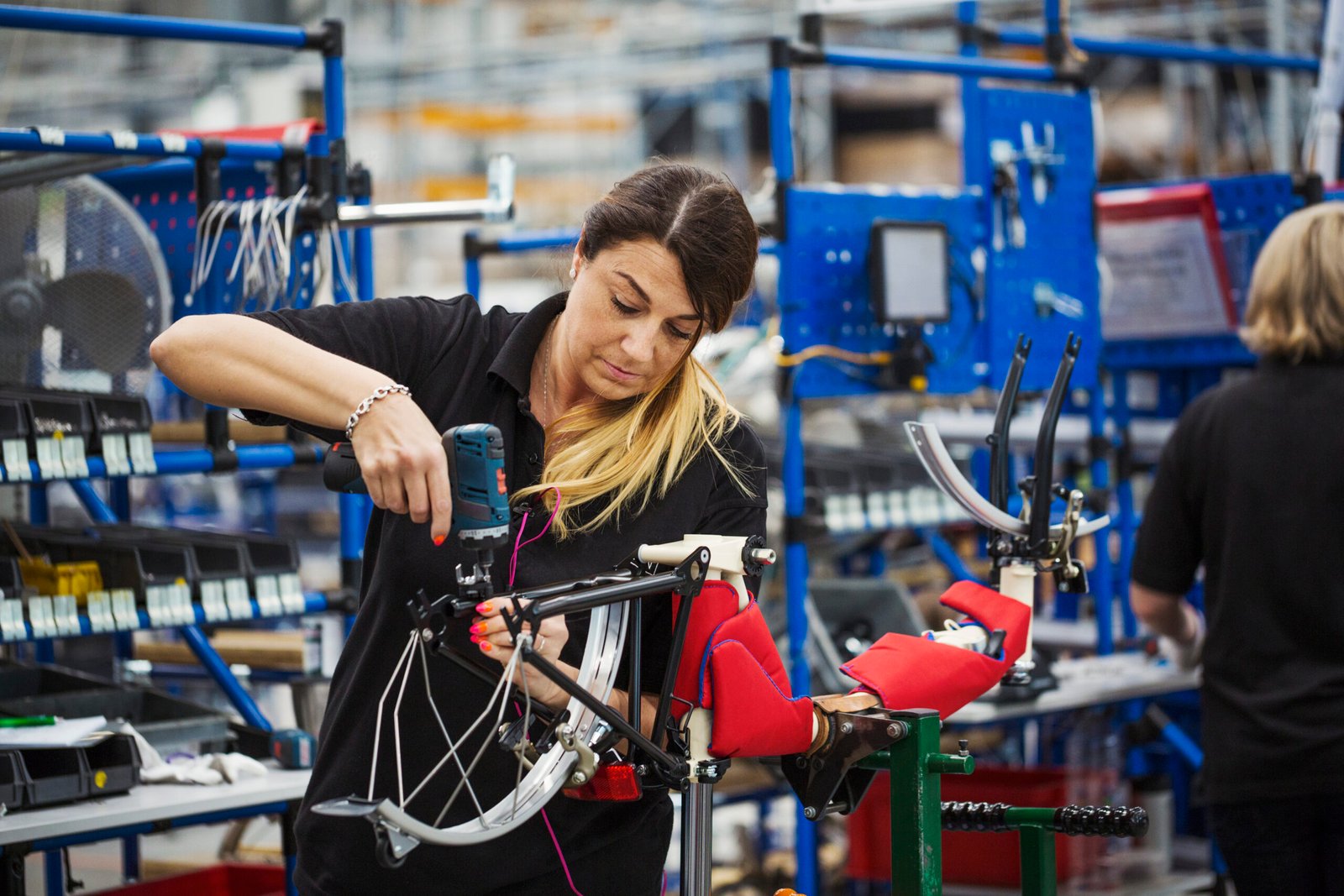
Importivity Services in Eastern Europe, Turkey, and North Africa
This region spans multiple countries, languages, regulatory environments, and business cultures. Finding the right supplier means knowing which country fits your product, then vetting factories within that market.
Importivity manages it all. We identify the right hub, locate and vet suppliers, handle negotiation, coordinate inspections, manage compliance, and organize freight. One sourcing partner for the full region.
Sourcing Company Case Studies
Real examples of how our sourcing company delivers results across industries and markets.
Frequently Asked Questions
If you need further assistance, feel free to reach out to our team!
Why should I consider sourcing from Eastern Europe or Turkey?
EU-compliant manufacturing, competitive labor, shorter transit to Western markets, and strong specialization in textiles, automotive, machinery, and furniture. Also a strong diversification play for buyers overexposed to Asian supply chains.
What types of products can Importivity source in this region?
Textiles, automotive components, industrial machinery, furniture, home goods, electronics assemblies, white goods, and appliances. The right country depends on your product.
How does quality compare to China?
EU member states meet or exceed China for regulated products. Turkey is strong in textiles, automotive, and machinery. North Africa requires active quality management, which Importivity provides.
What are the current U.S. tariffs?
EU members face 15% under the U.S.-EU agreement. Turkey is at 15% under the Section 122 framework. Egypt may qualify for duty-free under QIZ. Steel, aluminum, and copper face 50% Section 232 tariffs across the region.
What are typical lead times?
Turkey to U.S. East Coast runs 2 to 3 weeks by ocean. EU members to U.S. run 2 to 4 weeks. Production times are generally faster than Asia due to shorter cycles and vertical integration.
Can I split production between this region and Asia?
Yes. Many clients use Turkey or Eastern Europe for quick-turn or compliance-sensitive products while keeping volume production in China or Vietnam. Importivity manages multi-region strategies.
How do I get started?
Submit a sourcing request or book a call. Tell us what you need and we will identify the right country and supplier.

Still have questions?
Our team is happy to help! Visit our Help Center or contact us directly.