




Supplier capability and production scalability
Mexico vs China Manufacturing Comparison
Compare sourcing in Mexico and China across cost, speed, tariffs, and scalability to determine the best fit for your supply chain.
What does a Product Sourcing Company do?
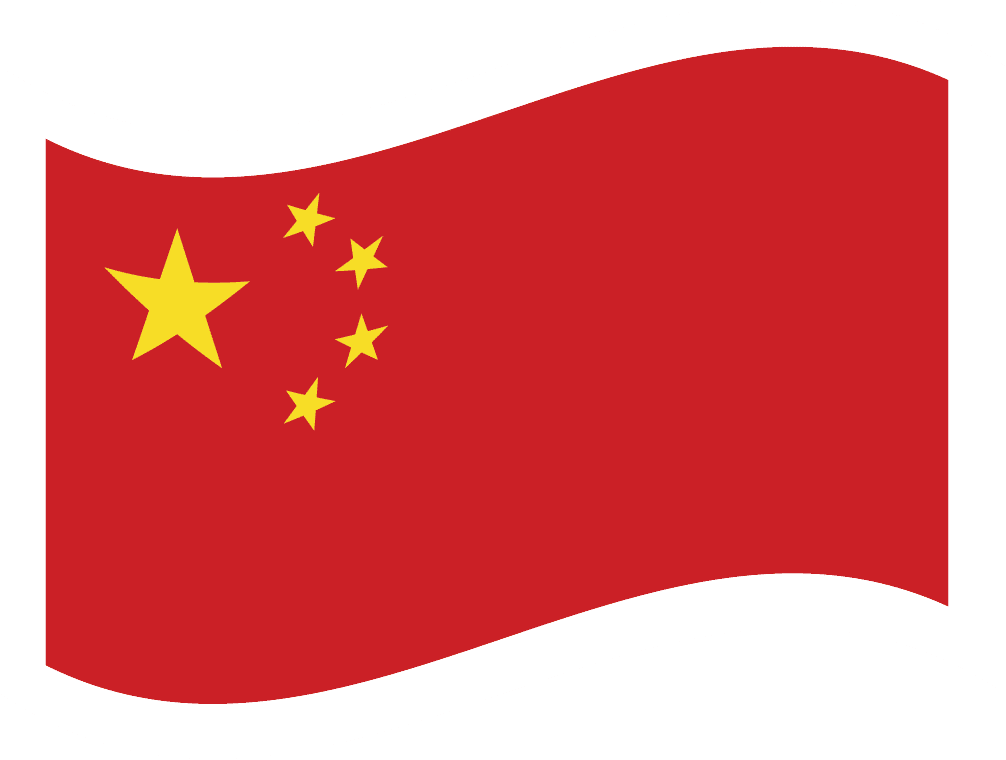
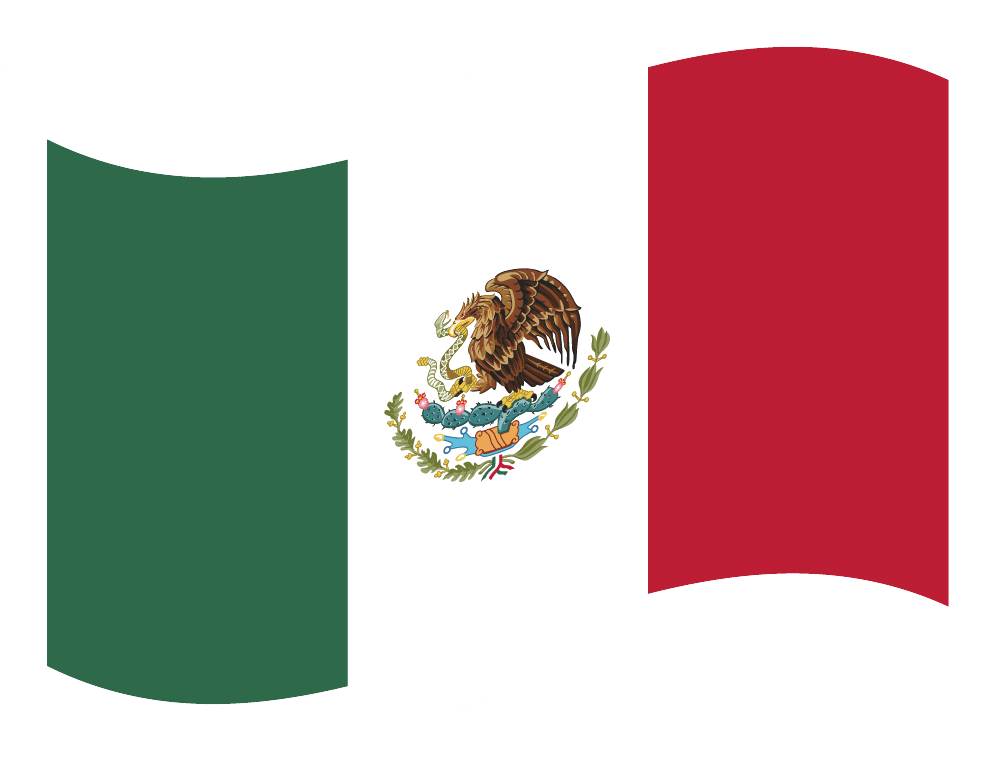
When comparing Mexico vs China manufacturing, the decision often comes down to proximity versus scale. China remains the global powerhouse with unmatched supplier networks and advanced capabilities across nearly every industry. Mexico, however, has emerged as a nearshoring leader, offering shorter lead times, tariff-free trade with the U.S. under USMCA, and cost efficiencies for North American brands.
Labor Costs & Workforce
Vietnam’s lower wages give it a clear edge for labor-intensive industries such as textiles, footwear, and basic assembly, helping brands protect margins and launch products at a competitive cost. China, while more expensive, offers a massive and highly skilled workforce with decades of expertise in advanced manufacturing, making it the better choice when precision, consistency, and scalability matter most.
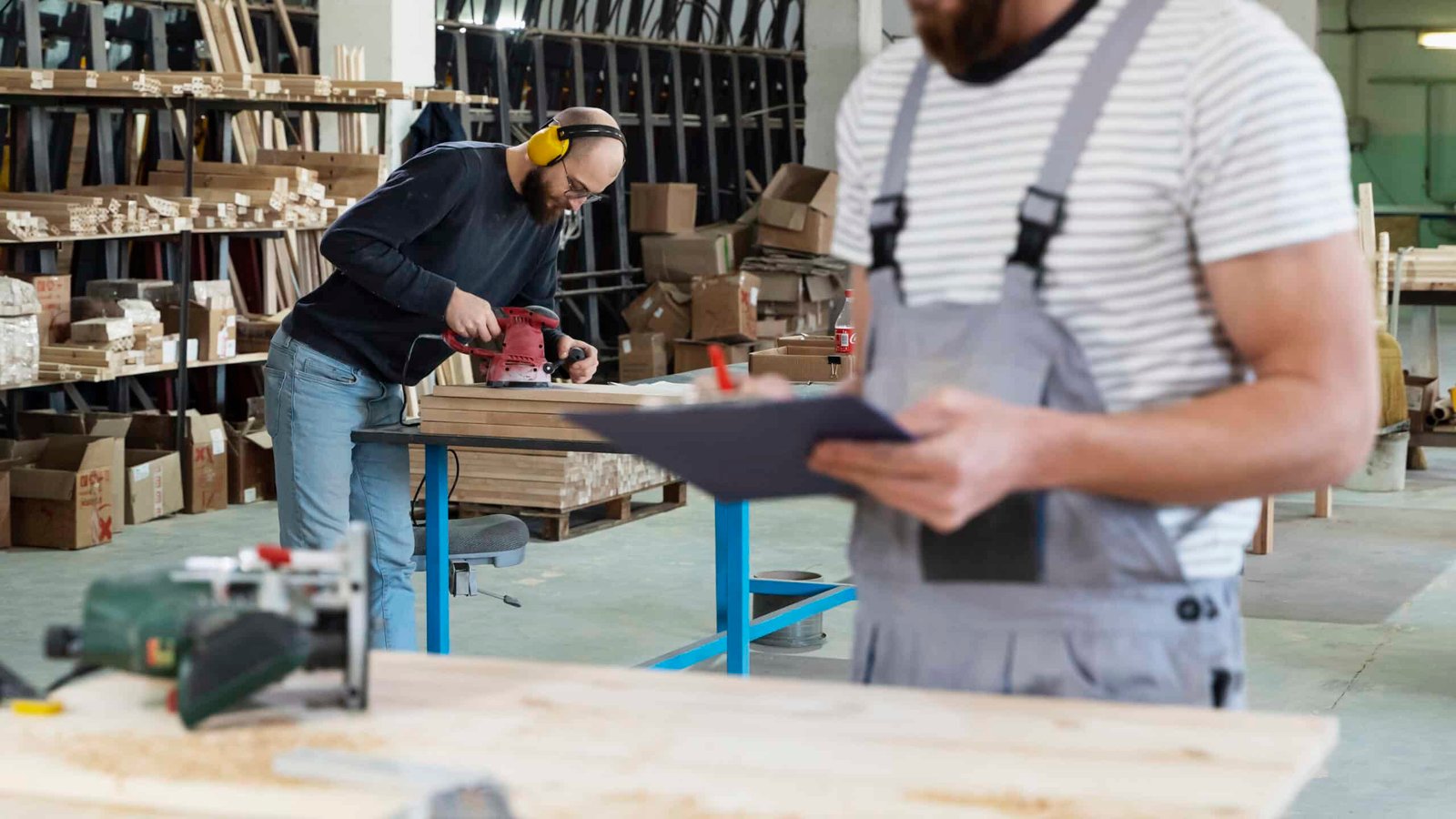
Mexico vs. China
The nearshore contender versus the global manufacturing giant—compared on cost, speed, tariffs, and product fit for US-focused supply chains.
The Bottom Line
Choose Mexico when your primary market is the United States, speed-to-shelf matters, and your product falls into automotive, appliance, or medical-device categories. USMCA duty savings, same-day logistics, and real-time collaboration give it a clear nearshoring advantage.
Choose China when you need massive scale, a diverse product catalogue, or complex electronics and machinery. Its supply-chain depth is still unmatched—but budget for tariff exposure and longer lead times to North America.
Or run both: a Mexico + China strategy lets you nearshore tariff-exposed or time-critical lines to Mexico while keeping high-volume, cost-sensitive SKUs in China—hedging geopolitical risk in the process.

Supply Chain & Infrastructure
Infrastructure maturity determines how smoothly products move from factory to customer. China boasts the world’s most advanced manufacturing ecosystem, while Vietnam continues to expand with new industrial parks and foreign investment. Mexico offers reliable infrastructure with the added advantage of shorter cross-border logistics.
Tariffs & Trade Policy
Labor costs can make or break your sourcing strategy. Vietnam offers lower wages for labor-intensive industries like textiles, while China provides a more specialized and experienced workforce. Mexico sits in between, benefiting from affordable labor and geographic proximity to the U.S. market.
Mexico vs China Industry Comparisons
See how Mexico’s nearshore advantages stack up against China’s global scale across plastics, metals, electronics, and textiles.
Plastics Manufacturing
Winner: China
China dominates in injection molding and plastics production, with advanced tooling and economies of scale.
Mexico’s Advantage
Great for smaller runs and custom plastics, where faster delivery to U.S. buyers adds value.
Metals & CNC Manufacturing
Winner: China
China has the depth and expertise in CNC machining, aluminum extrusion, and sheet metal fabrication that Mexico cannot yet match at scale.
Mexico’s Advantage
Mexico’s automotive sector expertise makes it highly competitive in certain stamping and metal assembly categories.
Electronics Assembly
Winner: China
China’s electronics hubs remain unmatched for components, speed, and integration.
Mexico’s Advantage
Growing strength in automotive electronics, consumer devices, and nearshore assembly, appealing to brands seeking tariff-free supply chains.
Textiles & Apparel
Winner: Mexico
Mexico leads in apparel and textile nearshoring, offering tariff-free access to the U.S. and shorter lead times.
China’s Advantage
Still ahead in technical textiles, luxury fabrics, and high-volume fast fashion.
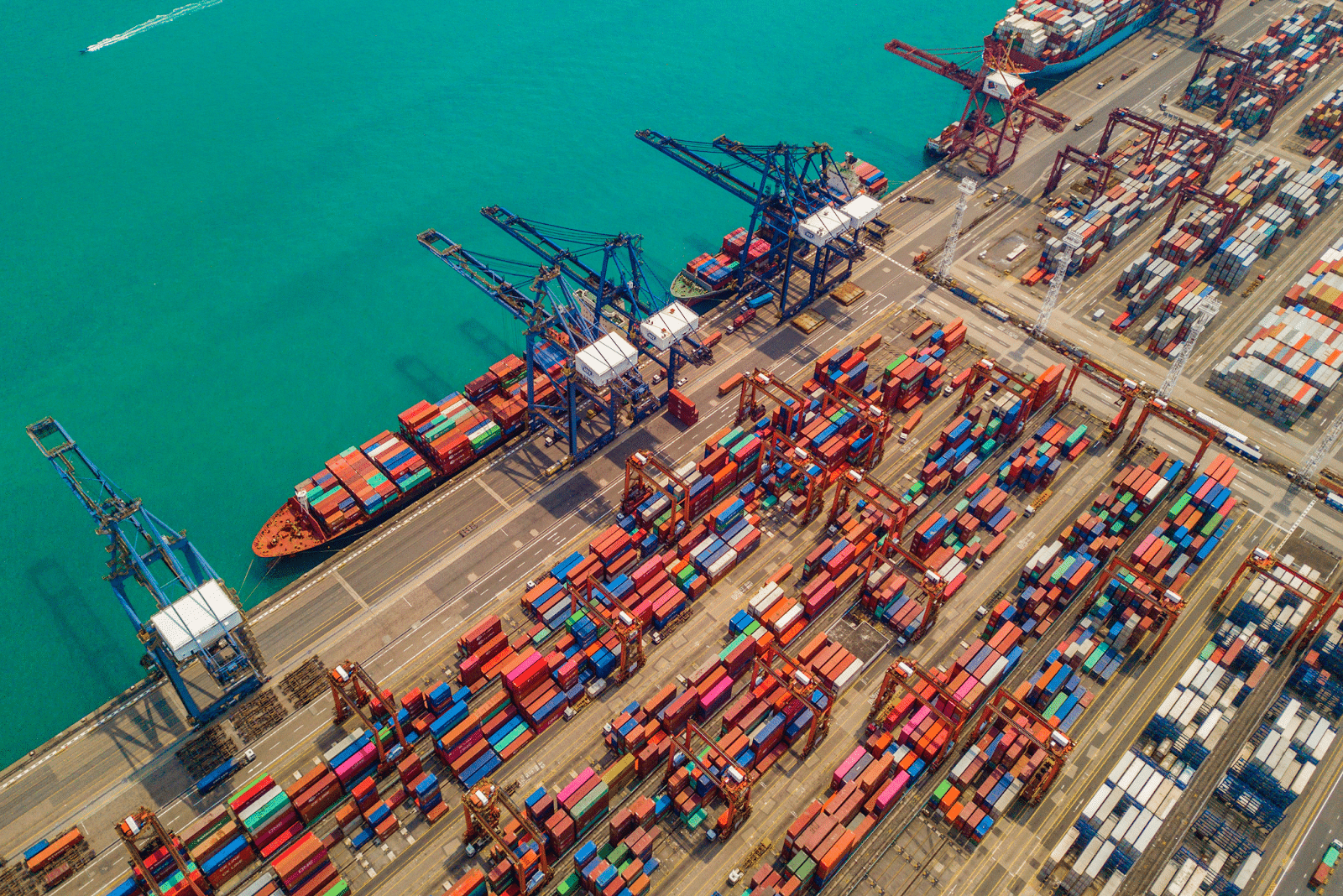
Logistics & Shipping
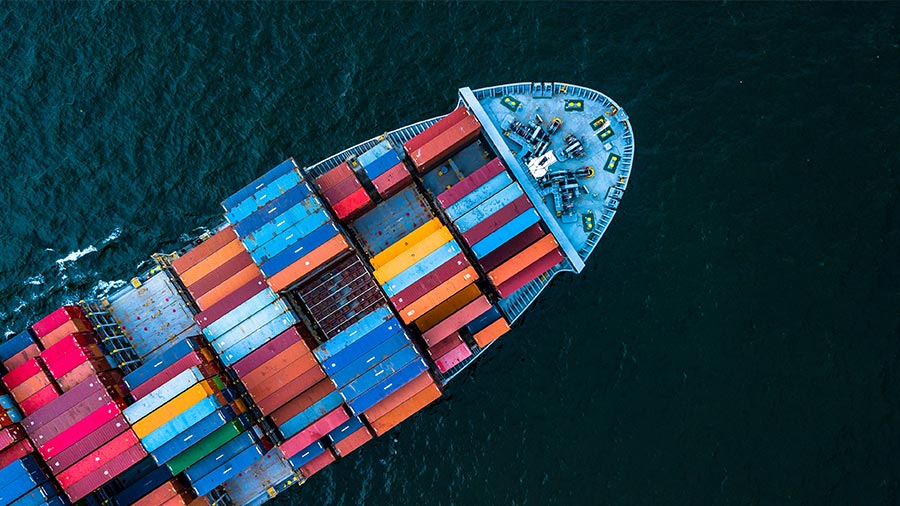
Logistics can impact both costs and lead times. Mexico’s proximity allows fast ground transport into the U.S., while China and Vietnam depend heavily on maritime shipping. Vietnam offers shorter routes to Europe compared to China, but both face longer ocean transit than nearshore alternatives.
Sourcing Company Case Studies
Real examples of how our sourcing company delivers results across industries and markets.
Frequently Asked Questions
If you need further assistance, feel free to reach out to our team!
Is Mexico cheaper than China for manufacturing?
Mexico often has a lower total landed cost because of tariff-free trade under USMCA and shorter shipping distances. China can still be cheaper for high-volume, labor-intensive products due to economies of scale.
What are the main advantages of manufacturing in Mexico vs China?
Mexico’s biggest advantages are proximity to the U.S., faster lead times, and tariff-free trade. China offers unmatched supplier density, advanced capabilities, and scalability, making it ideal for complex products.
Which industries are best suited to Mexico vs China?
Mexico: Textiles, apparel, automotive components, consumer goods.
China: Plastics, metals, CNC machining, electronics, high-precision products.
How do shipping times compare between Mexico and China?
Mexico can deliver goods to the U.S. in a matter of days via trucking or rail, while sea freight from China typically takes 30–40 days.
How do tariffs affect Mexico vs China manufacturing?
Goods from Mexico enjoy duty-free status under USMCA. In contrast, many Chinese imports face U.S. Section 301 tariffs, which can add 10–25% to landed costs.
Should I move all production from China to Mexico?
Not always. Many businesses use a dual sourcing strategy: moving some production to Mexico for faster delivery and tariff savings, while keeping China for large-scale, technical manufacturing.
Is quality better in Mexico or China?
Both countries can deliver high-quality products, but China’s decades of experience in advanced manufacturing give it an edge in precision industries. Mexico delivers reliable quality in textiles and mid-complexity assembly, especially when serving the North American market.

Still have questions?
Our team is happy to help! Visit our Help Center or contact us directly.